Polymer Clay Guides
Polymer clay guides for choosing tools, findings, sealers, cutters, and bake setups, helping you investigate worktable issues.

Articles
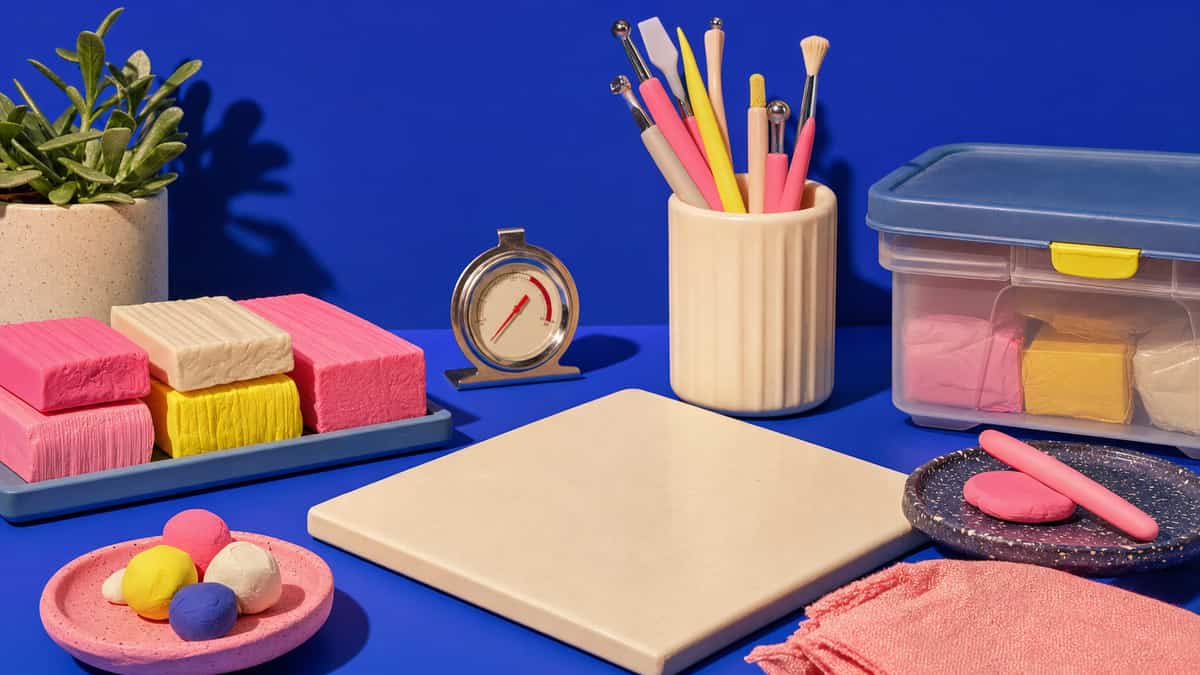
A polymer clay setup that packs away in one tray
Set up one active polymer clay project on a portable tray, move the supported work toward baking, and clear a shared table without rebuilding everything next time.
Read the guide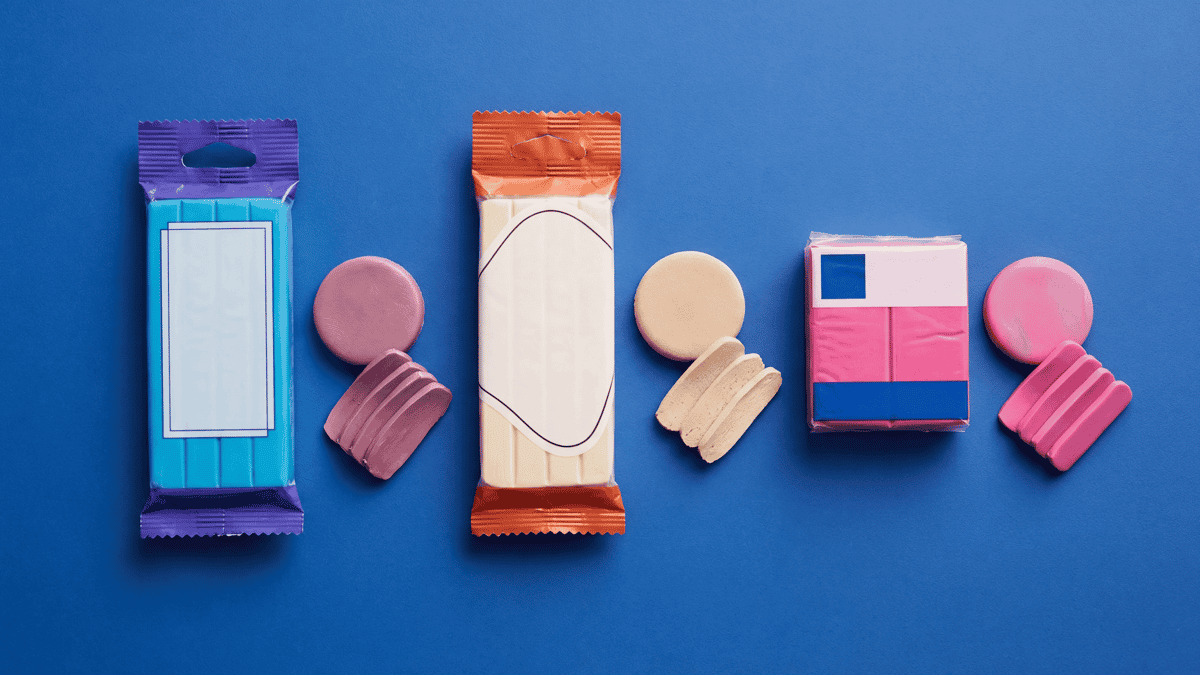
Premo vs Soufflé vs FIMO: which polymer clay to buy for cutter and layered pieces
Buy Sculpey Premo first for cutter and layered pieces, Soufflé when the pair must stay light, and FIMO Professional when a design cuts many small pieces from one slab.
Read the guide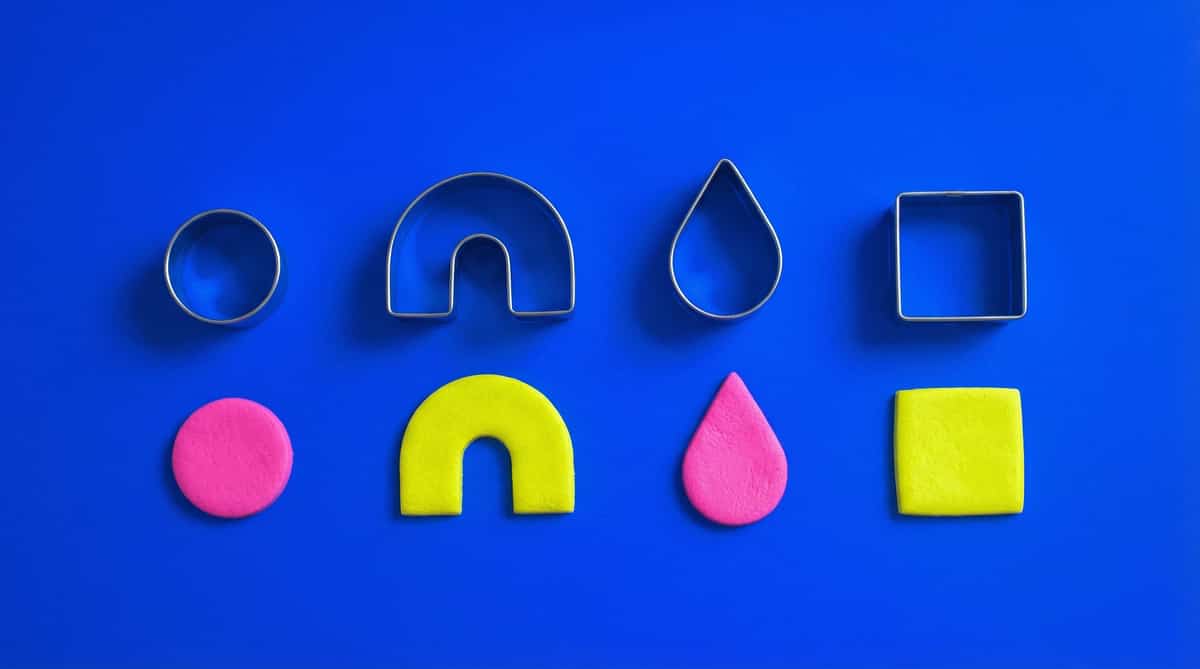
Best Polymer Clay Cutters for Beginners: Sharp Starter Shapes (2026)
Beginner clay cutters work best as a small repeatable starter set. Clean release and even slab thickness matter more than a long novelty list.
Read the guide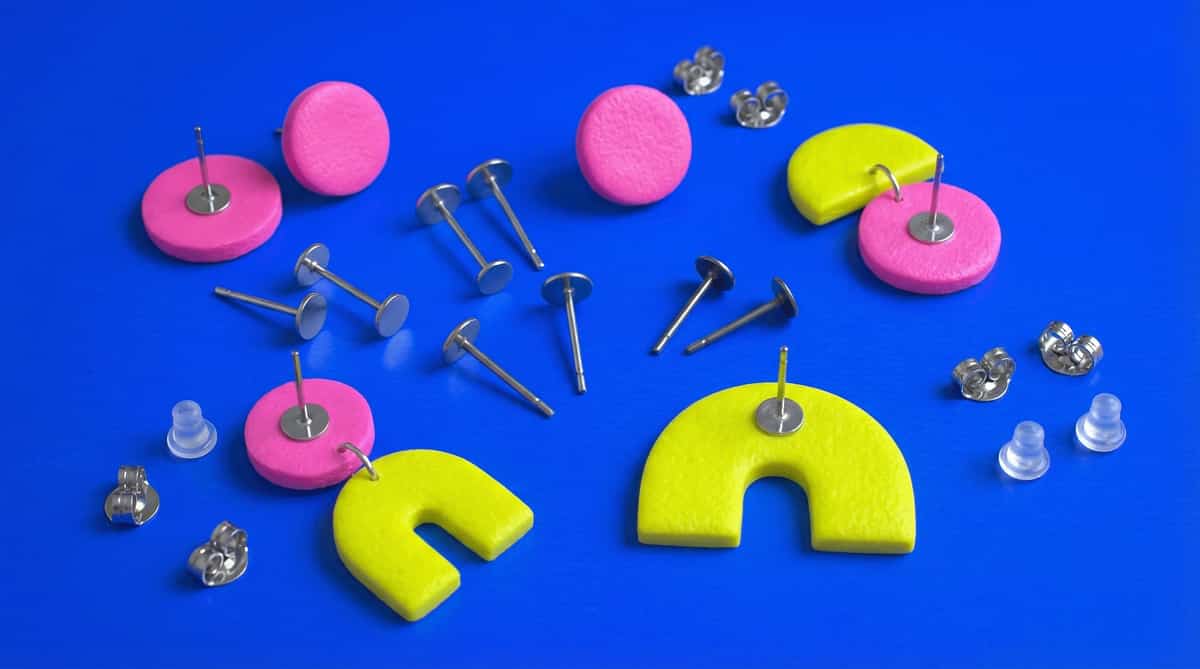
Best earring posts for polymer clay studs: pad size, backs and metal
Buy flat-pad posts, set the post a little above the middle of the stud, pick a pad that lies flat on the stud's back, and check which metal the listing names for the post itself.
Read the guide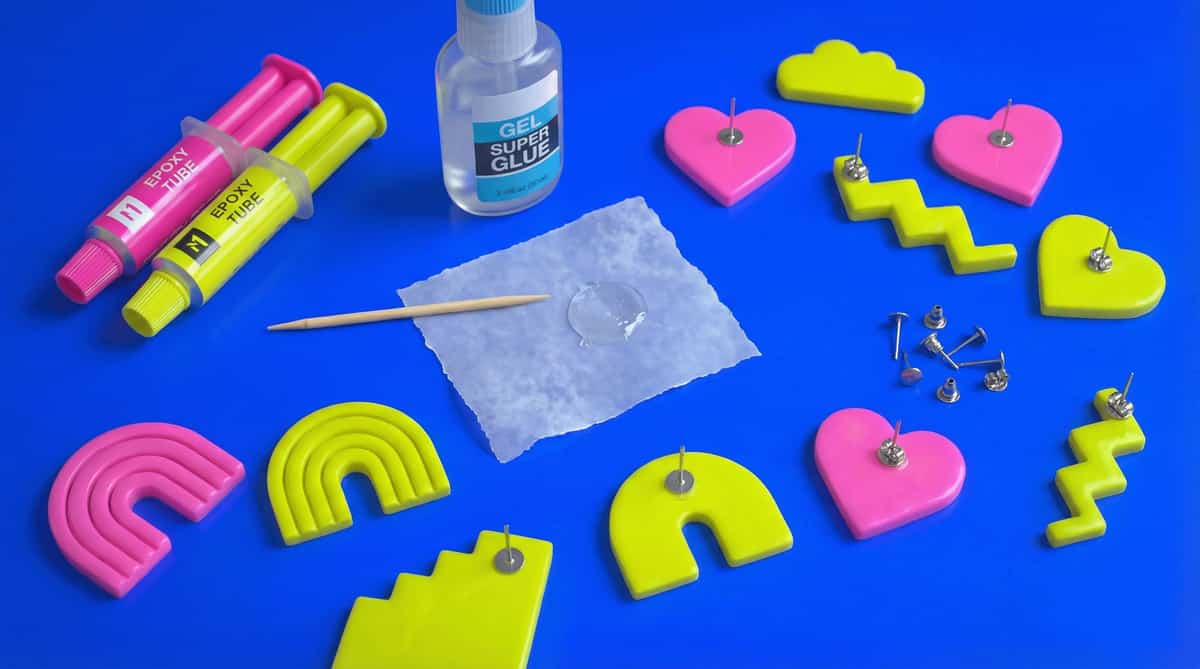
Best glue for polymer clay earring posts: what makers use
Two published maker sources name gel super glues such as Loctite's Gel Control and Gorilla Super Glue Gel for posts. Sand the spot to bare clay, use a small dot and wait 24 hours before wearing.
Read the guide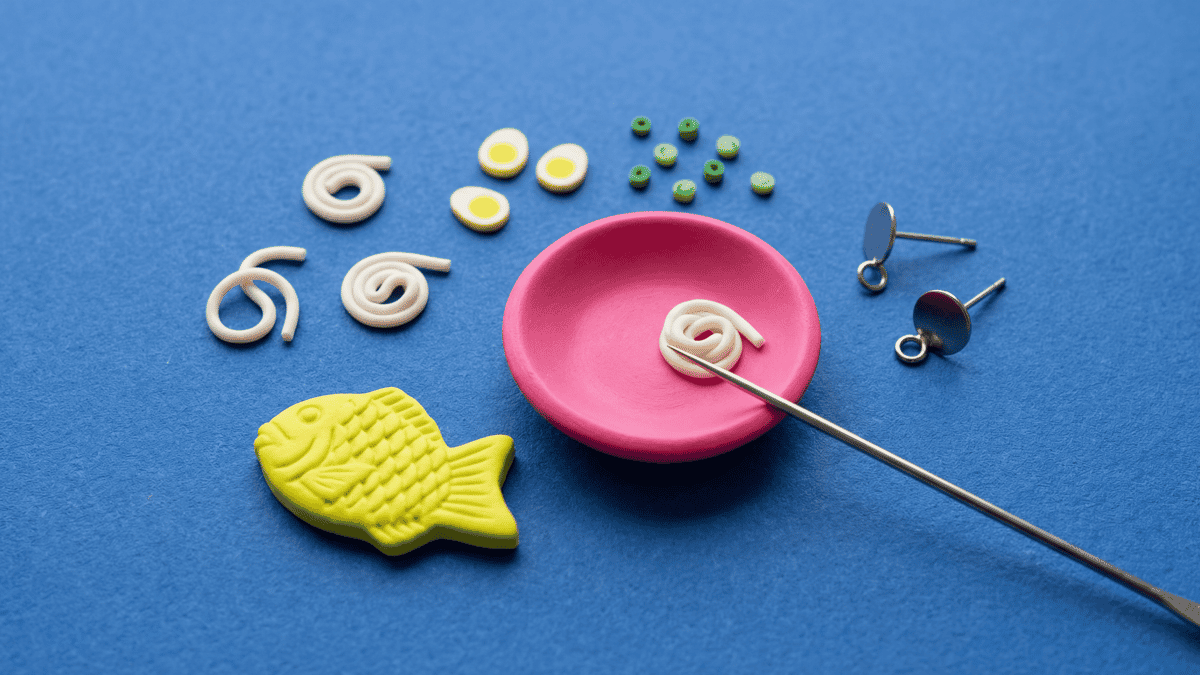
Polymer Clay Miniature Food Charms: Bowls, Fish, and Tiny Toppings
Miniature food pieces usually look clearer when the base shape, topping scale, and hardware choice are planned before the details go on. This guide covers shallow bowls, flat fish charms, noodle coils, egg slices, and keeping small food builds lighter.
Read the guide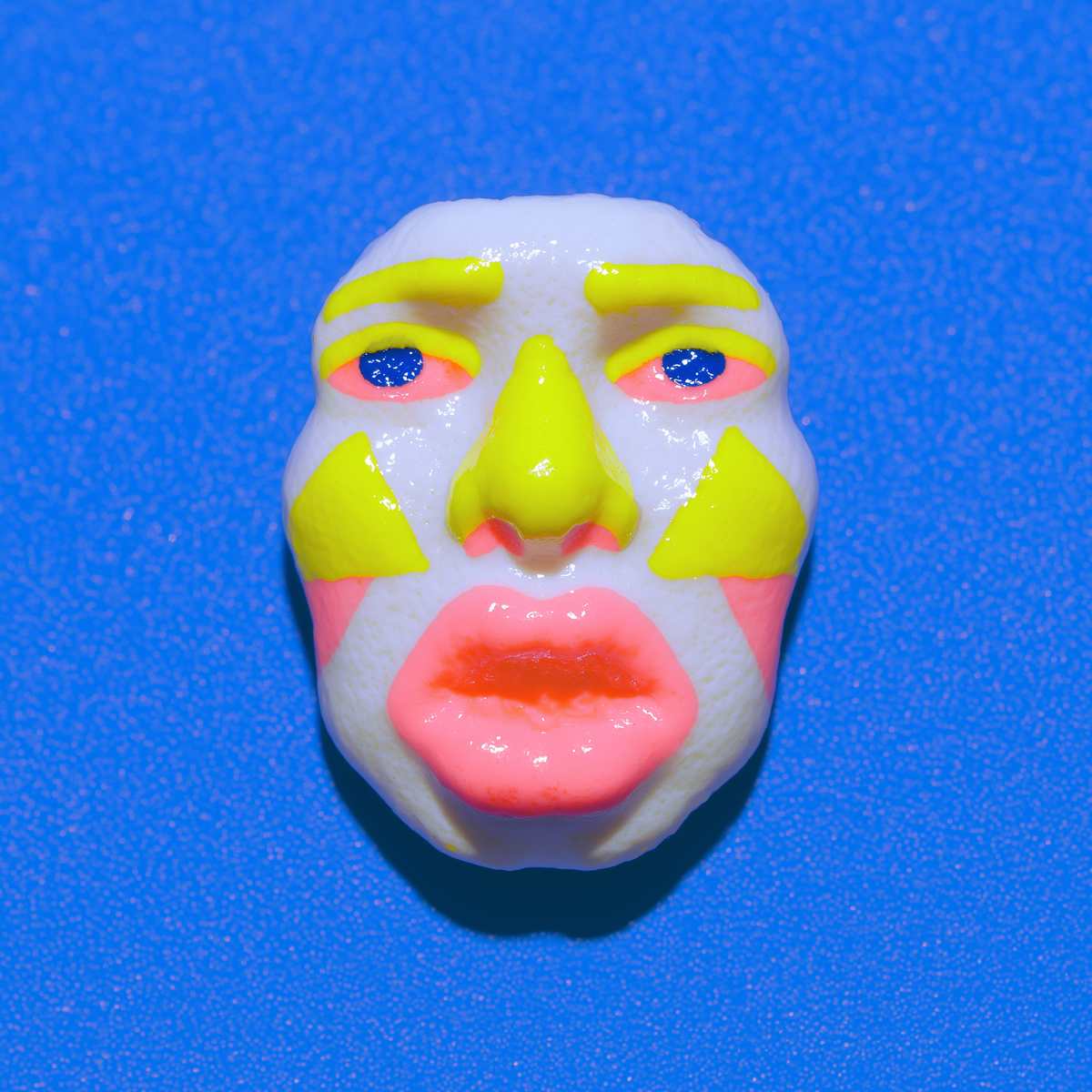
Polymer Clay Relief Faces, Portrait Plaques, and Stud Toppers
Face plaques, cameo-style shapes, and portrait drops stay cleaner when the silhouette is solved first, the facial planes stay low relief, and the topper or brooch hardware is planned as part of the front design rather than as an afterthought.
Read the guide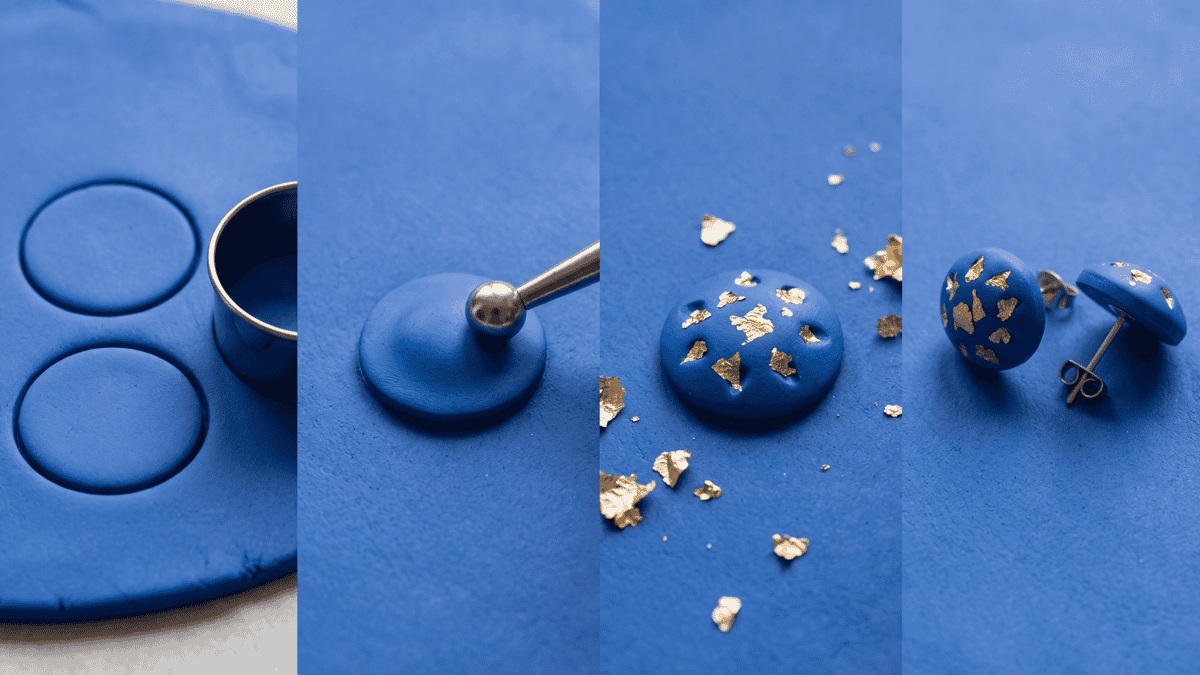
Polymer Clay Domed Studs, Metallic Inlay, and Gilded Details
Domed statement studs stay cleaner when the blank starts as a matched round plaque, the dome stays shallow enough for a flat back, and the metallic detail is pressed in without turning the surface into a lumpy foil patch.
Read the guide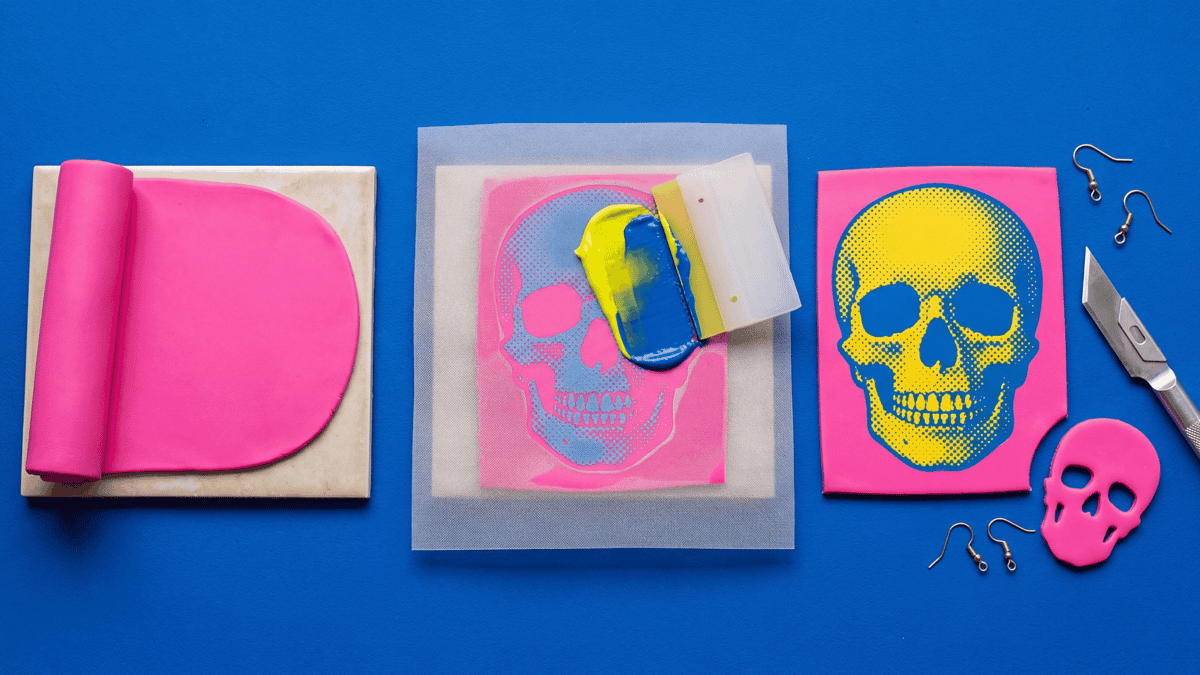
Polymer Clay Silkscreens, Stencils, And Halftone Graphic Slabs
Graphic skulls and other bold printed slabs stay cleaner when the clay slab is even, the screen seals tightly, and the silhouette gets cut only after the printed surface dries.
Read the guide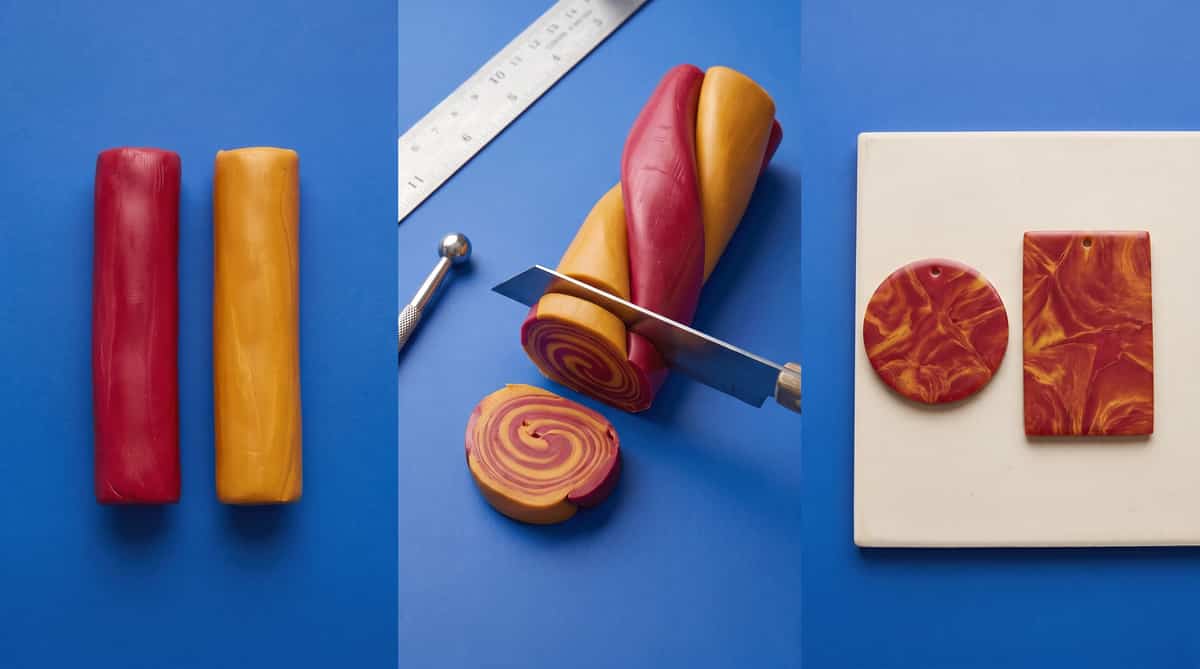
How to Make Faux Bakelite in Polymer Clay (Cherry-Amber Swirl Tutorial)
The cherry-amber faux bakelite look depends on a twisted swirl, not an over-blended marble. This guide covers the color mix, how to stop before the vein muddies, and how to slice the cane so the pattern stays distinct on buttons or drops.
Read the guide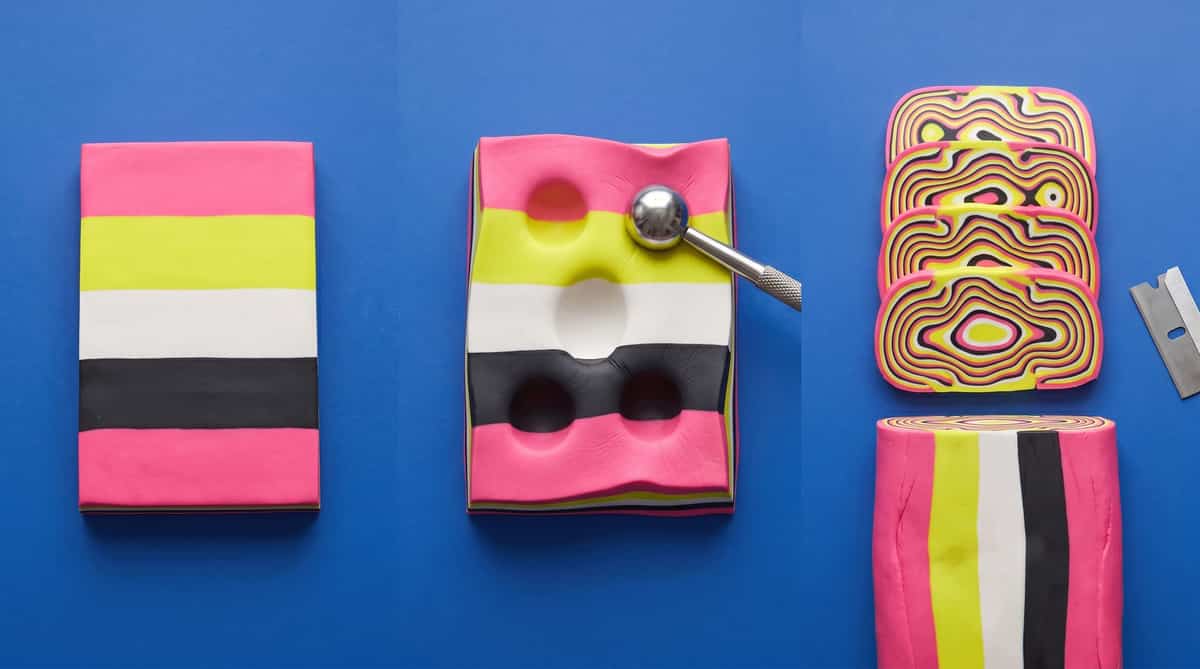
Polymer Clay Mokume Gane: Reduction, Distortion, and Slicing
Mokume gane only reveals its topographic pattern when the stack is distorted before slicing. This guide covers slab thickness, the poke-and-press distortion step, and slicing the stack so each layer makes a clean ring instead of a smear.
Read the guide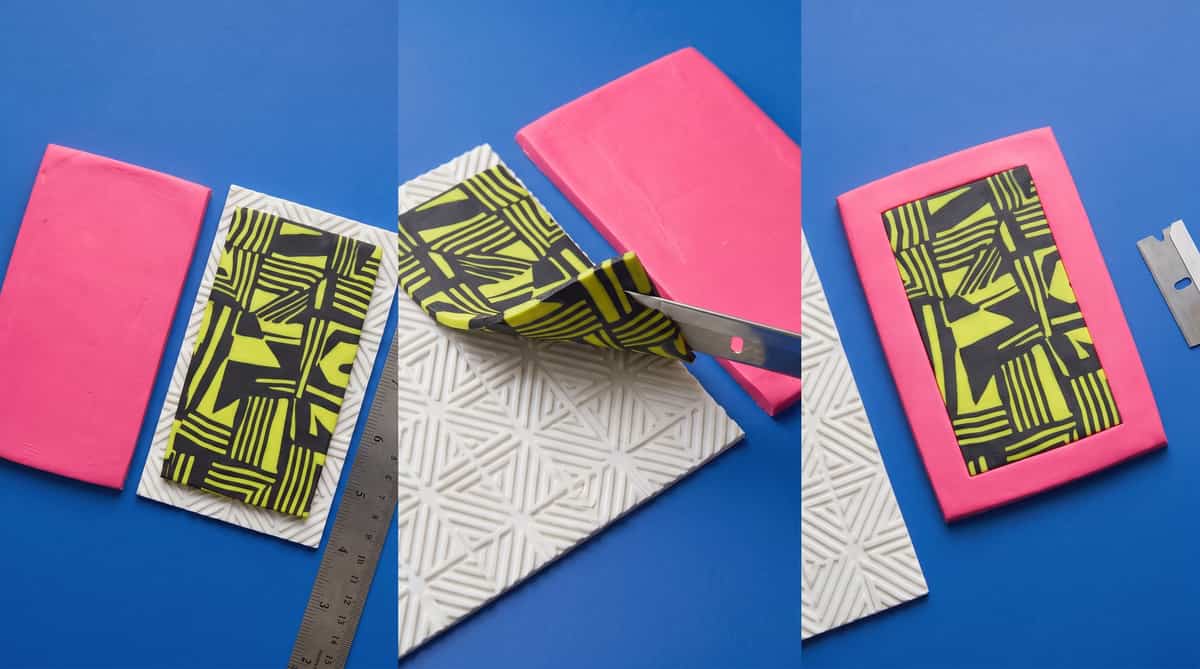
Sculpey Soufflé Sutton Slice: One Official Project
This guide stays within one official Sculpey Soufflé project and does not turn that example into a universal stamp, clay, depth, or transfer rule.
Read the guide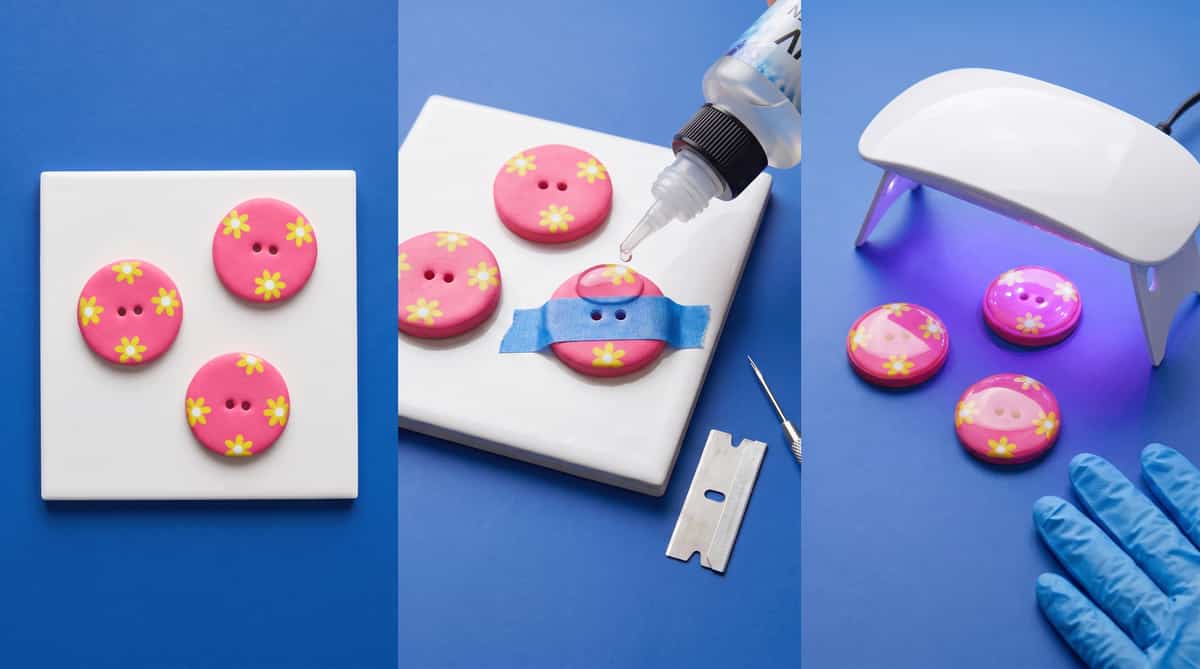
Resin on Polymer Clay: Label-First UV and Epoxy Checks
Bake and cool the clay first, then use the exact resin maker's instructions for compatibility, PPE, lamp or mixing requirements, layer depth, and cure.
Read the guide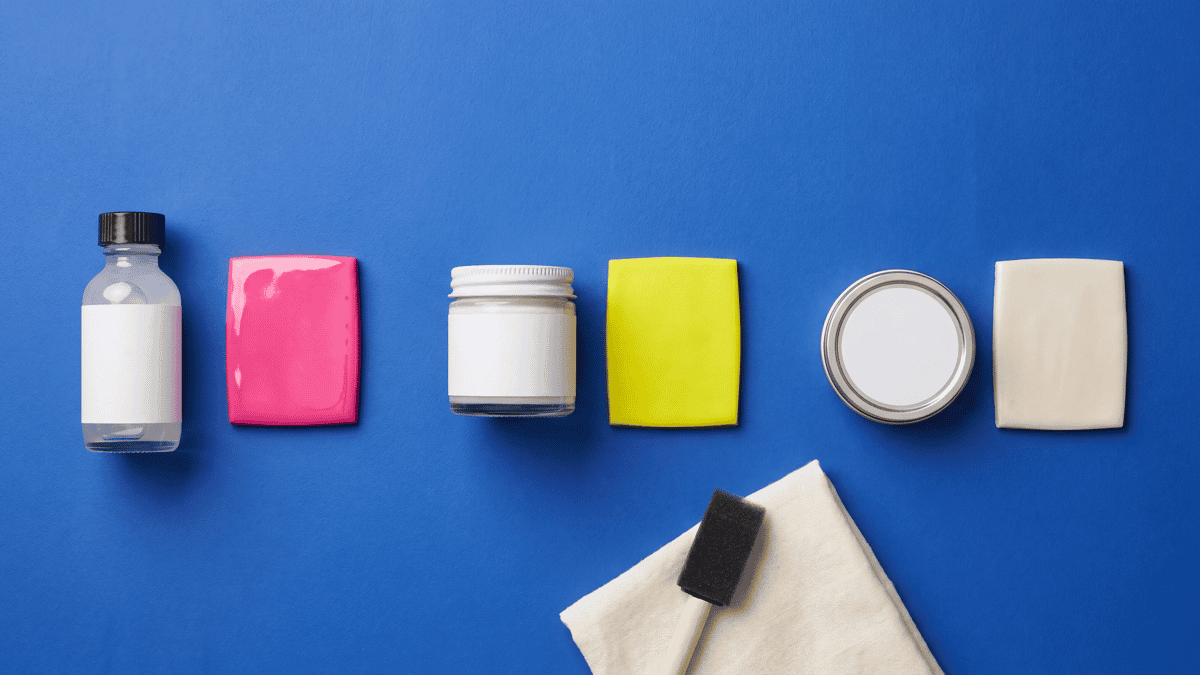
Do You Need a Sealer for Polymer Clay? Compatible Finish Options
Leave a good cured surface bare, or choose one documented water-based finish, test it on the same clay line, and follow the current product label.
Read the guide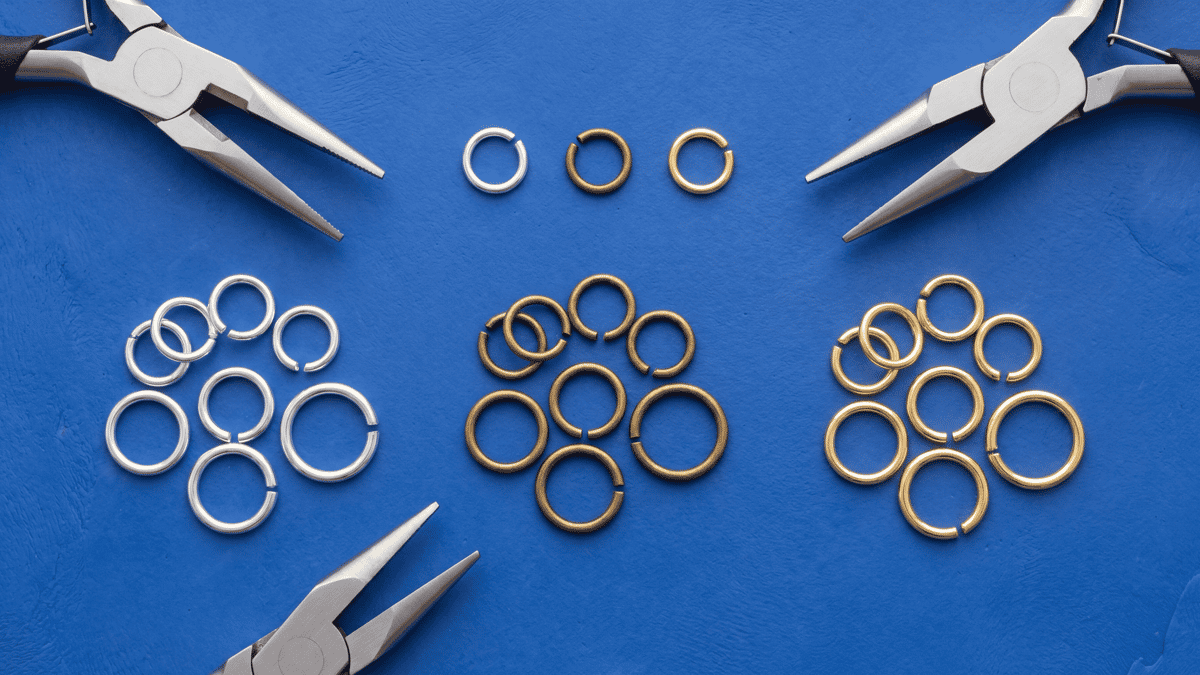
How to choose jump rings for polymer clay jewellery
Learn how to measure jump rings, choose a size that lets your clay earrings swing freely, and open and close the rings with pliers.
Read the guide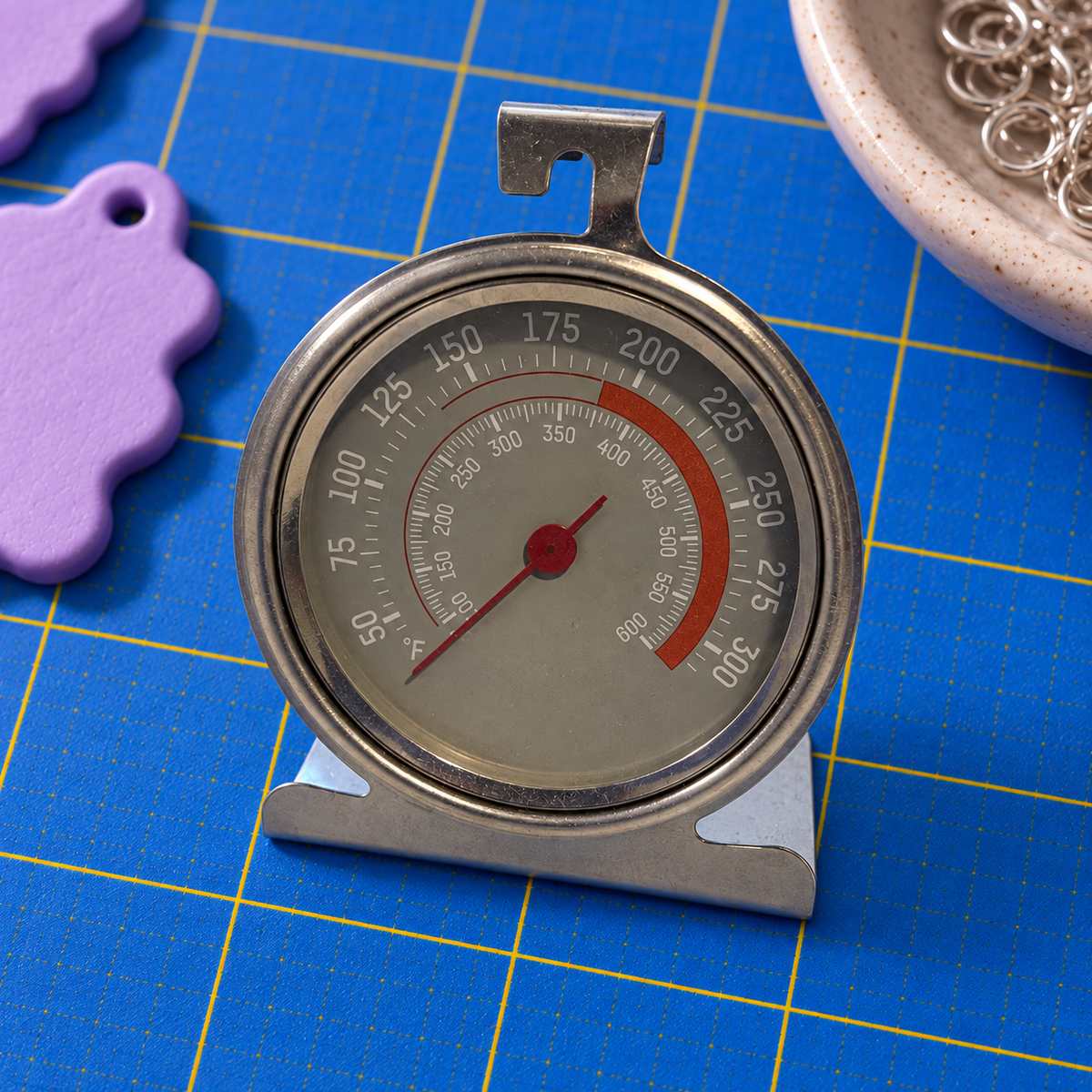
Best oven thermometer for polymer clay: what to buy and how to use it
Choose a dial you can read through the oven door, or an oven-rated air probe with an outside display. Then check the temperature beside your clay.
Read the guide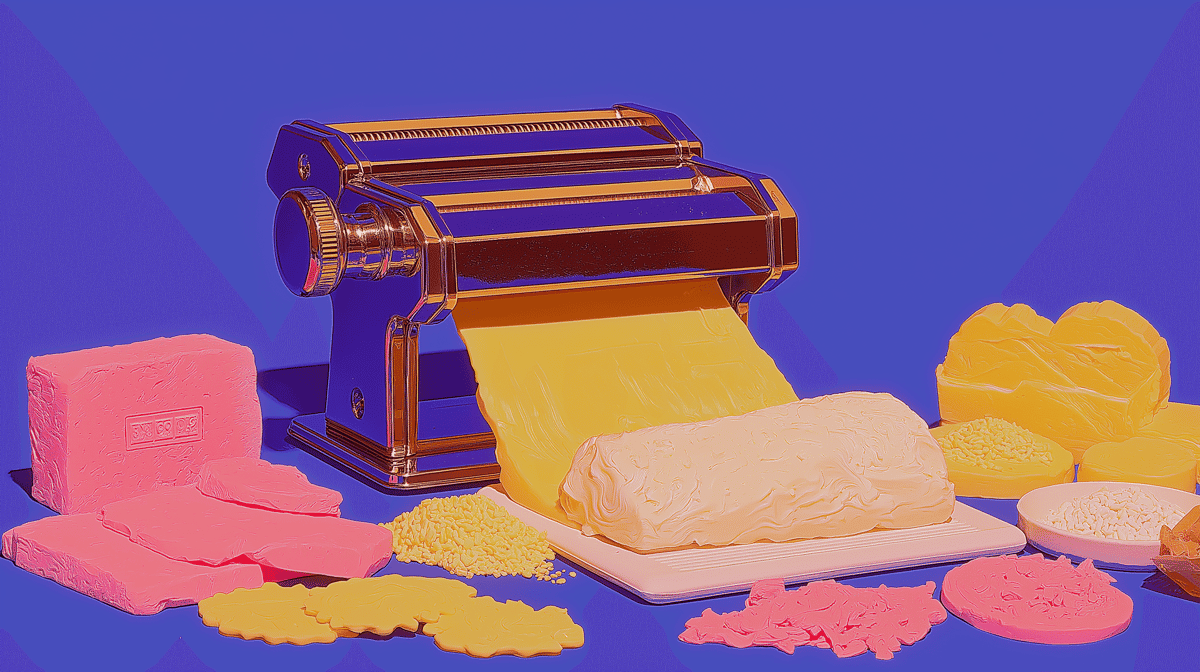
Polymer Clay for Beginners: Clay, Tools, and a First Test Piece
Choose one clay line, use three basic tools, and make a small package-directed test piece before adding more supplies.
Read the guide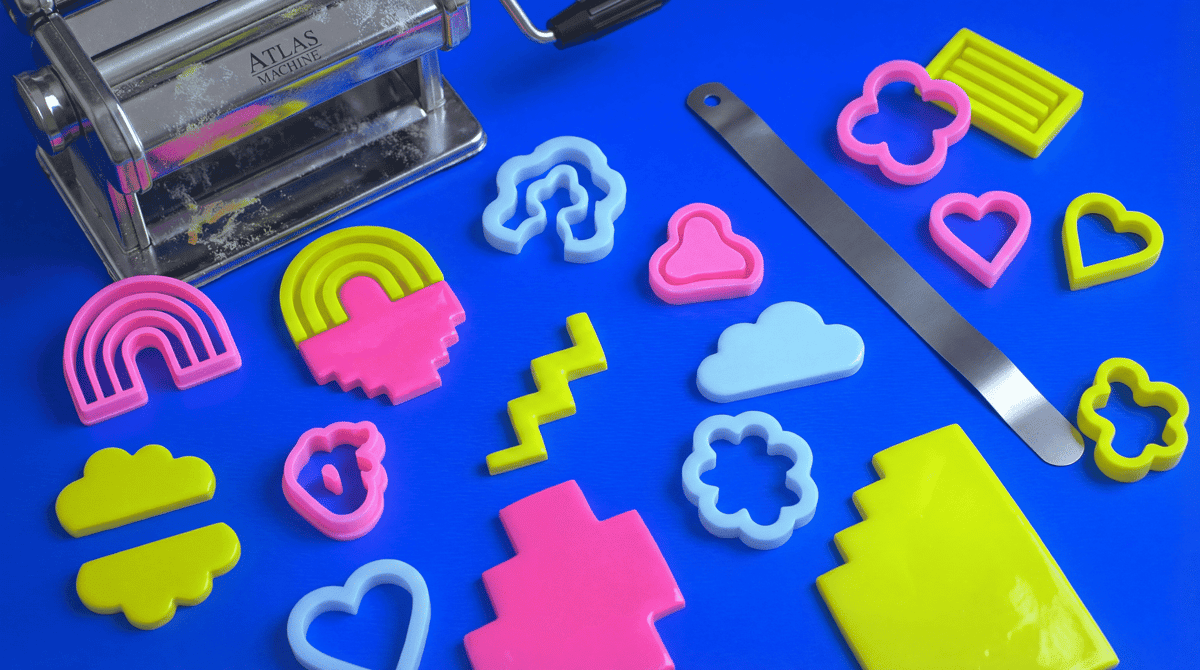
Polymer Clay Cutters: The 10 Shape Families Worth Owning (2026)
A practical 2026 cutter guide built around shape families, cleaner release, the checks to run on a listing before you buy, and the care habits that keep edges true.
Read the guide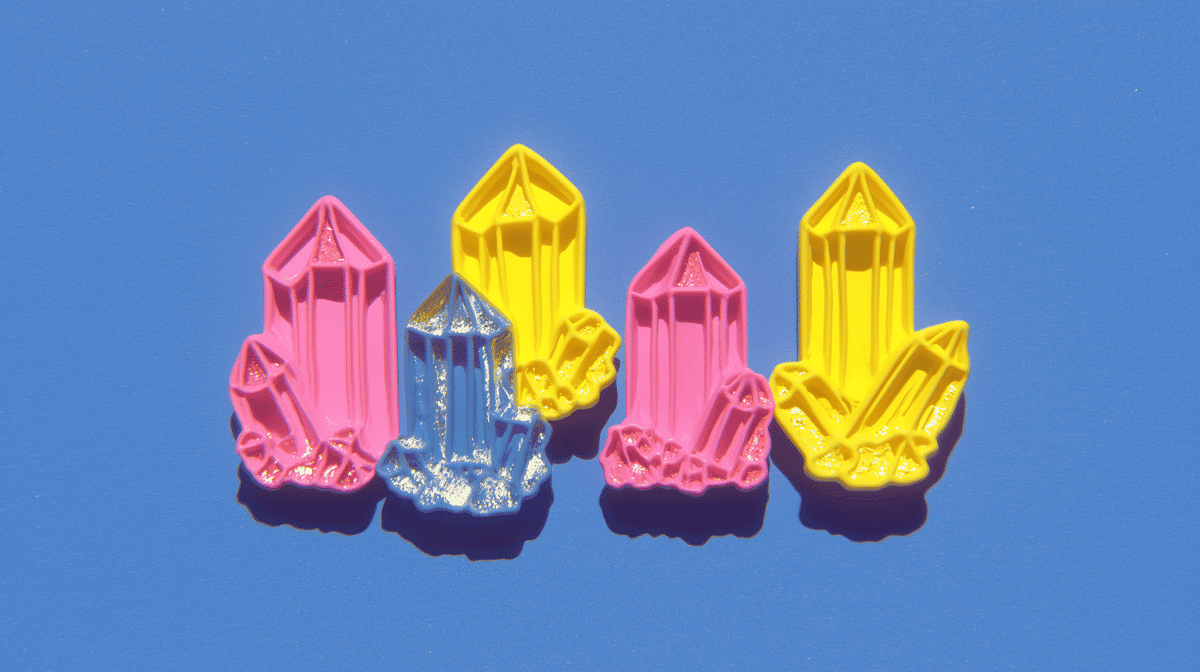
Sanding and Buffing Polymer Clay: Pressure and When to Stop
Smooth rough edges on baked clay with wet/dry paper and water. Support small details, remove the scratches from each grit, then hand-buff for a soft sheen.
Read the guide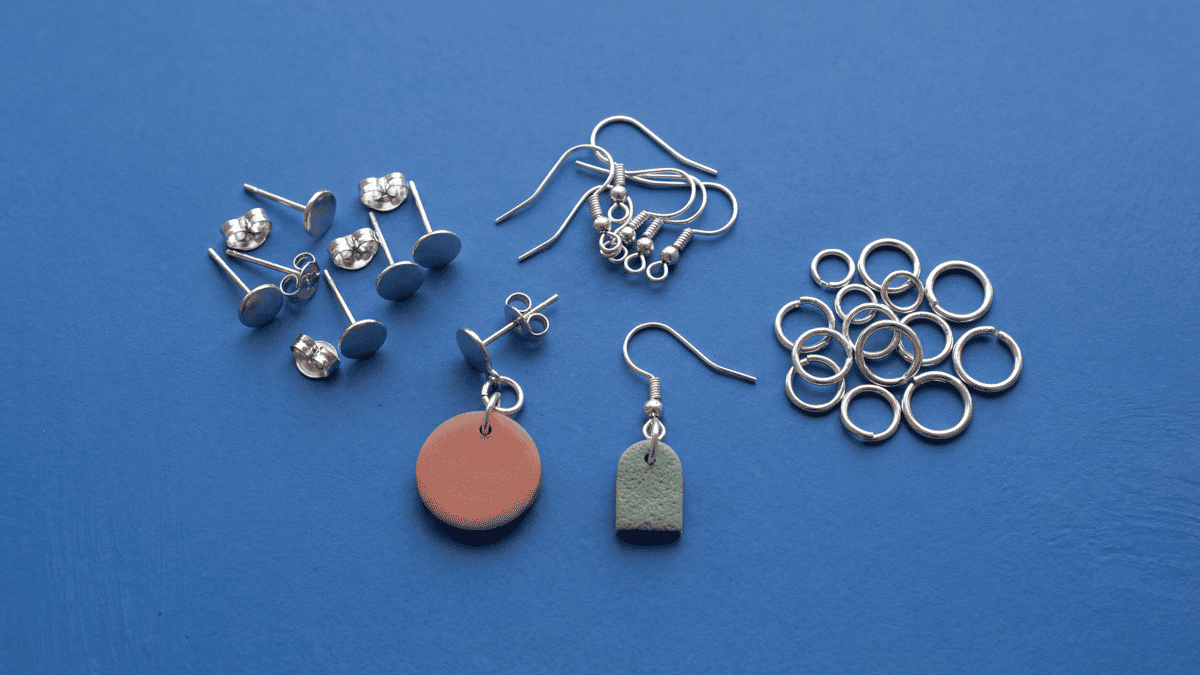
How to attach earring findings to polymer clay earrings
Choose a fish hook, leverback or looped stud, join it with a jump ring, add a second ring if the drop shows its edge, and check the pair before you wear it.
Read the guide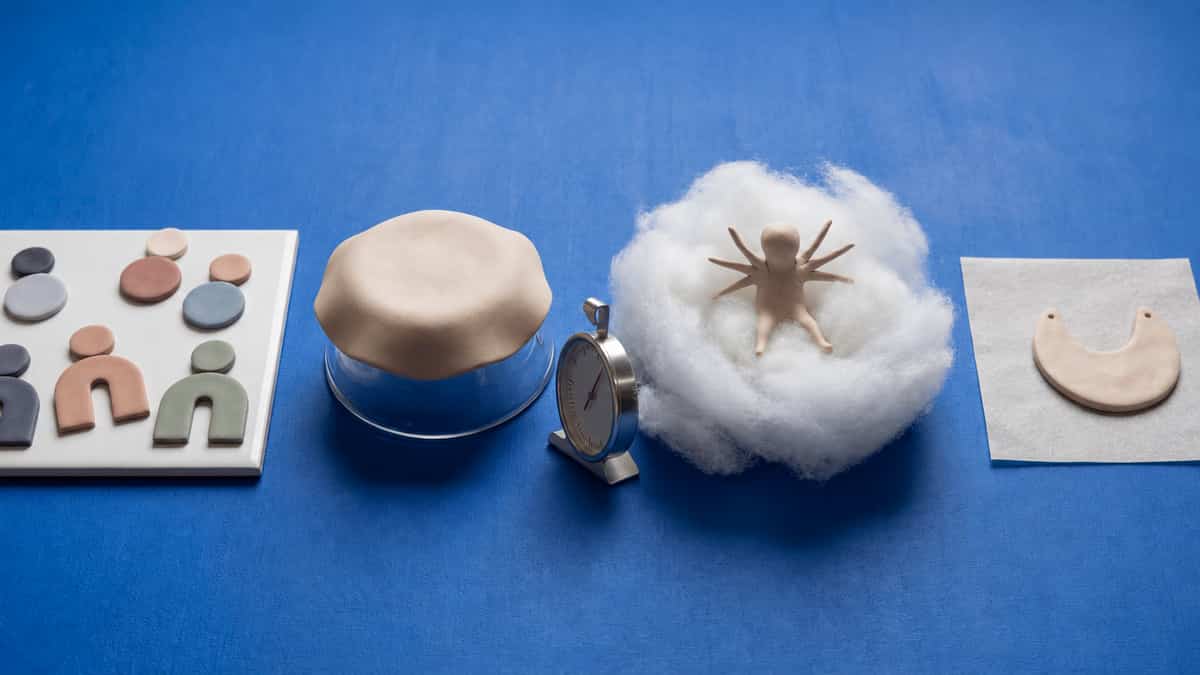
What to bake polymer clay on: tile, card and supports for flat, folded and large pieces
Bake flat pieces on a glossy tile and move them onto plain card only for a matte back. Hold curves, limbs and overhangs with fiberfill, crumpled foil or an oven-safe glass form, bake round beads on skewers, and leave everything on its support until it feels cool.
Read the guide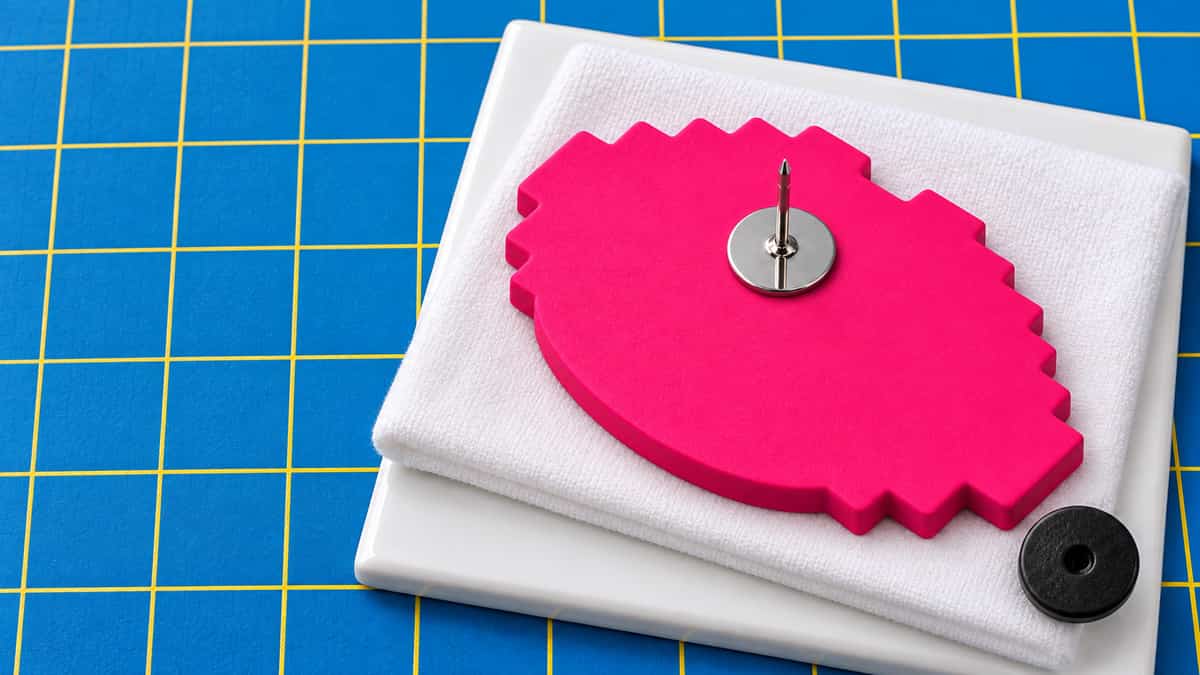
How to attach a brooch pin to polymer clay so it sits straight and stays on
A clay brooch that flops forward on a jacket, spins round, or loses its pin comes down to where the pin sits and how the pad is glued. The fabric check at the end shows if you got both right.
Read the guide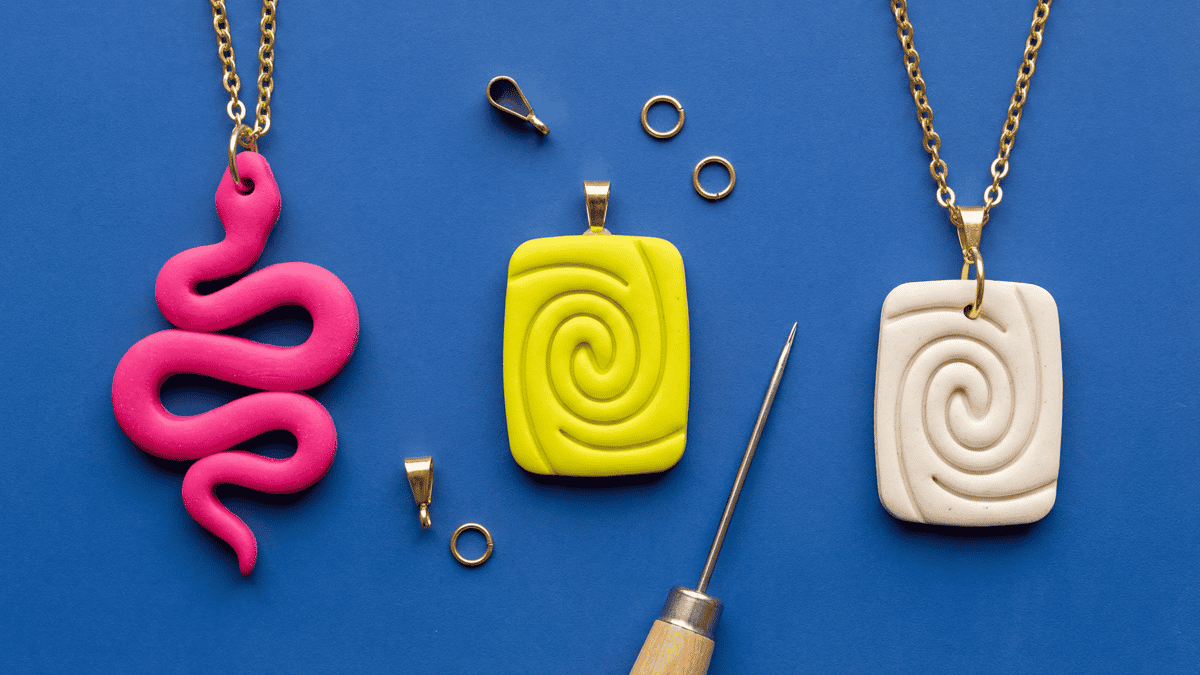
Polymer Clay Pendant Holes, Bails, and Jump Ring Placement
Choose a hole when the top has room for it, or a glue-on bail when you want an uninterrupted front. Position the attachment, leave clearance for the chain, and check which way the finished pendant faces.
Read the guide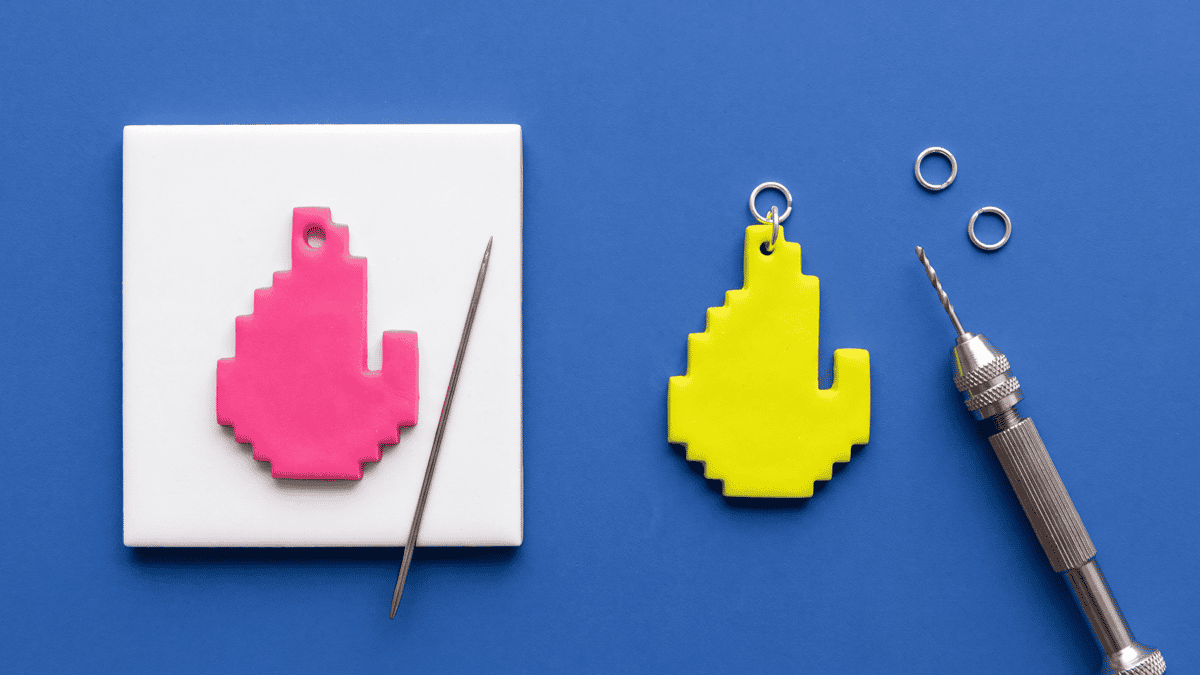
Jump ring holes in polymer clay: punch before baking or drill after?
Punch the hole in raw clay when the slab is thick, chilled and still on the tile. Drill after baking when the piece is a thin veneer, a layered stack, a pixel corner or a hole close to an edge. Fixed-hole cutters skip the marking step but carry the raw-hole caveats.
Read the guide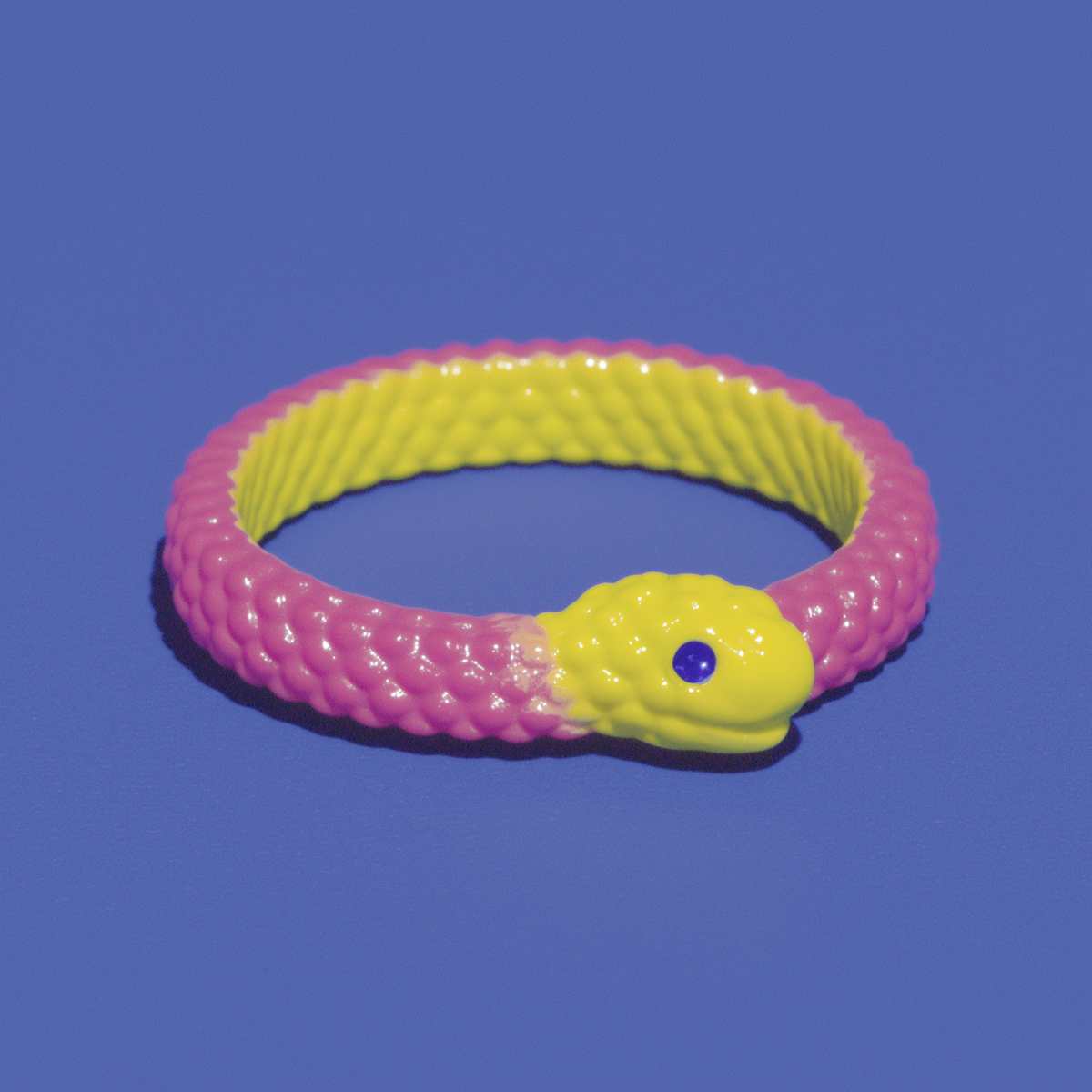
Polymer Clay Snake Bangles: Size, Sculpt, Texture
This kind of bracelet is easier to size and refine cleanly when the wrist curve is set before the snake detail goes on. This guide shows how to form the circle first, then sculpt the head, belly, and scale pattern with less chance of distorting the intended bracelet fit.
Read the guide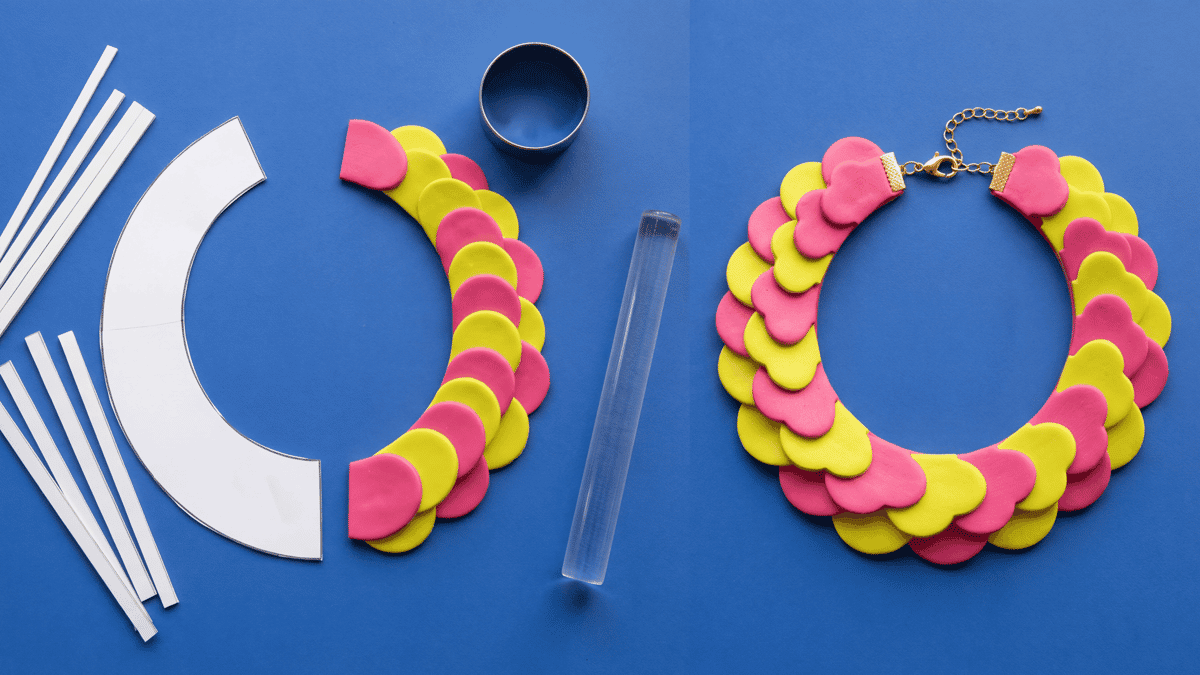
Polymer Clay Collar Necklaces, Bibs, and Curved Bases
Statement collars go wrong when you guess the neckline arc too late, build the front pieces as loose pendants, or let the collar flatten or relax in the oven. This guide gives the curved-base build order for rigid collar necklaces and layered bibs.
Read the guide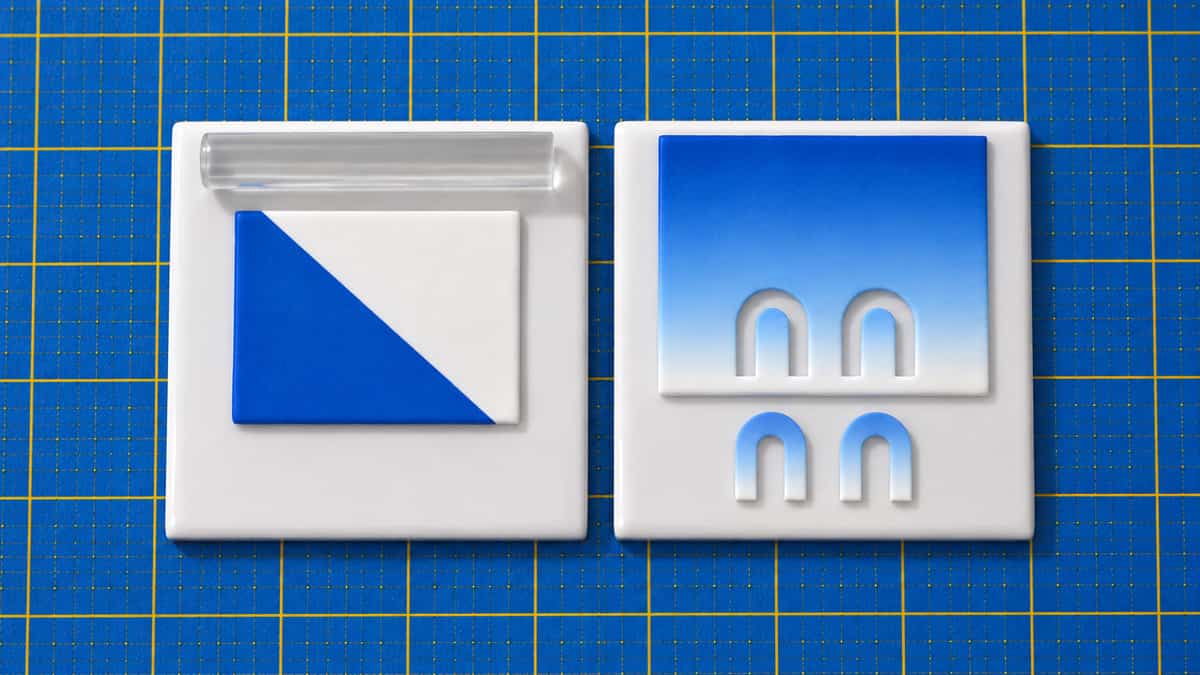
How to make a Skinner blend with polymer clay
Make polymer clay fade from one colour into another: the offset layout, the fold rule, how many passes, the no-machine method, cutting an ombre pair, cane plugs and rainbow blends.
Read the guide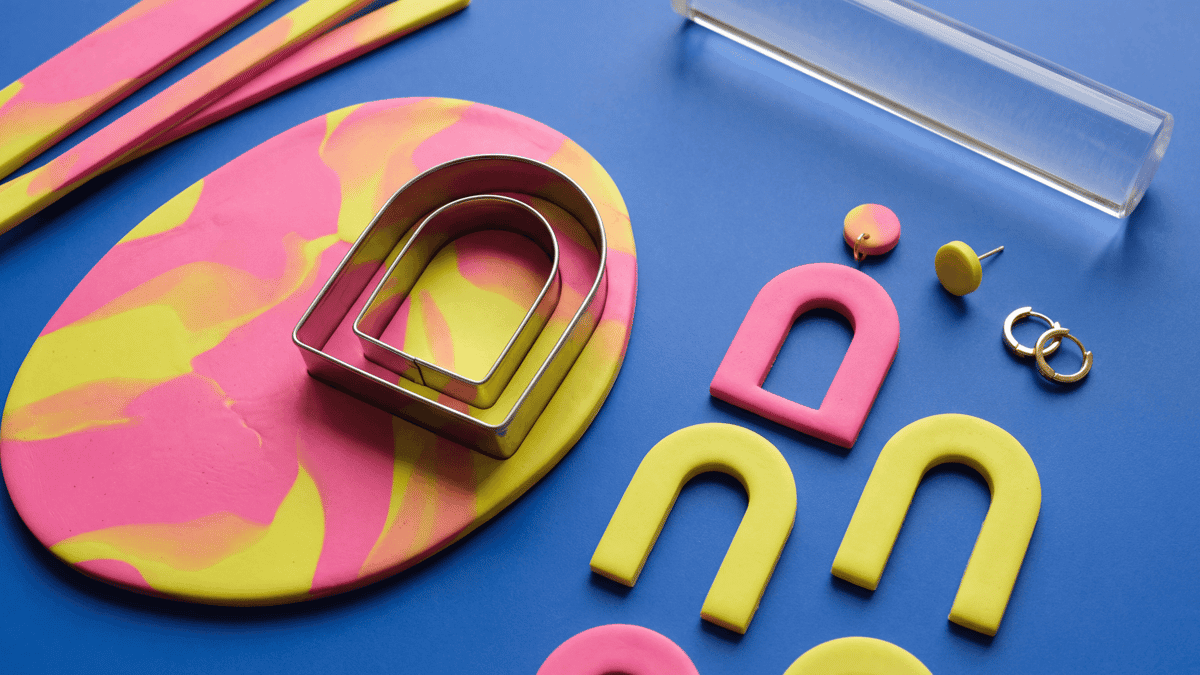
Polymer Clay Cutout Arch Earrings and Hoop Drops
Cutout arches and hoops work best when the wall width is even, the inner opening matches the outer curve, and the hardware choice is made from the finished front view.
Read the guide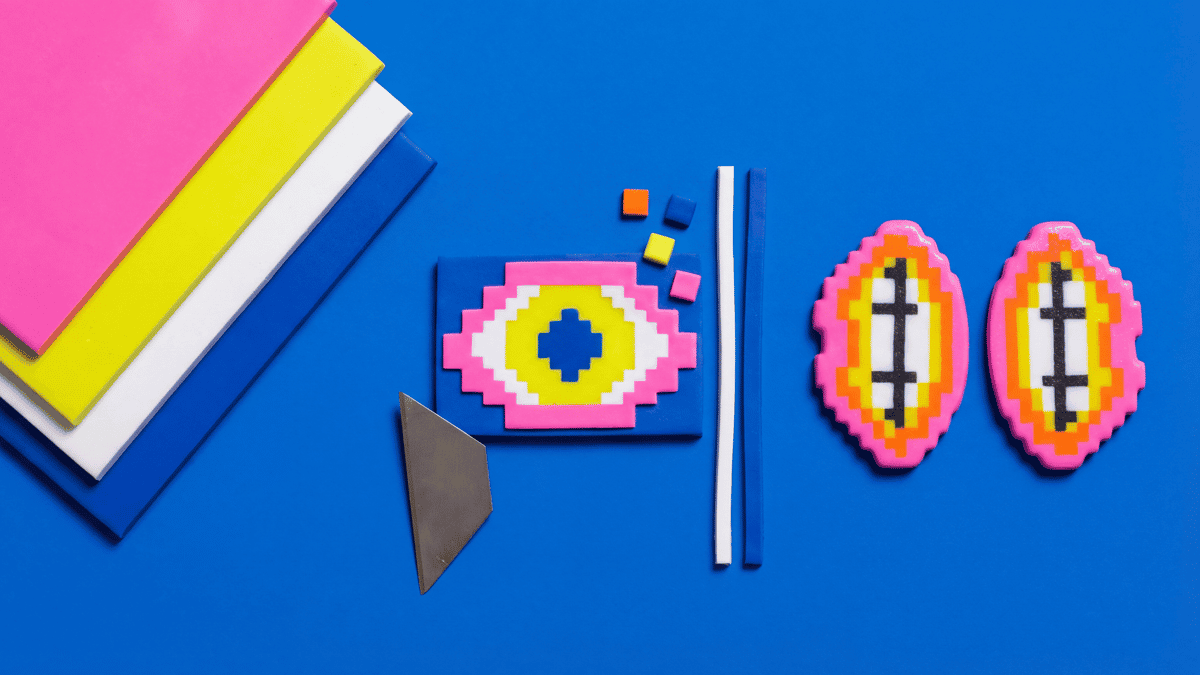
Layered pixel clay earrings: how to line up thin colour layers without stretching them
Your cutters shape each piece, but you place every colour layer by hand. Lift thin layers on a flat blade, line each one up before any pressure, then press the stack lightly through parchment.
Read the guide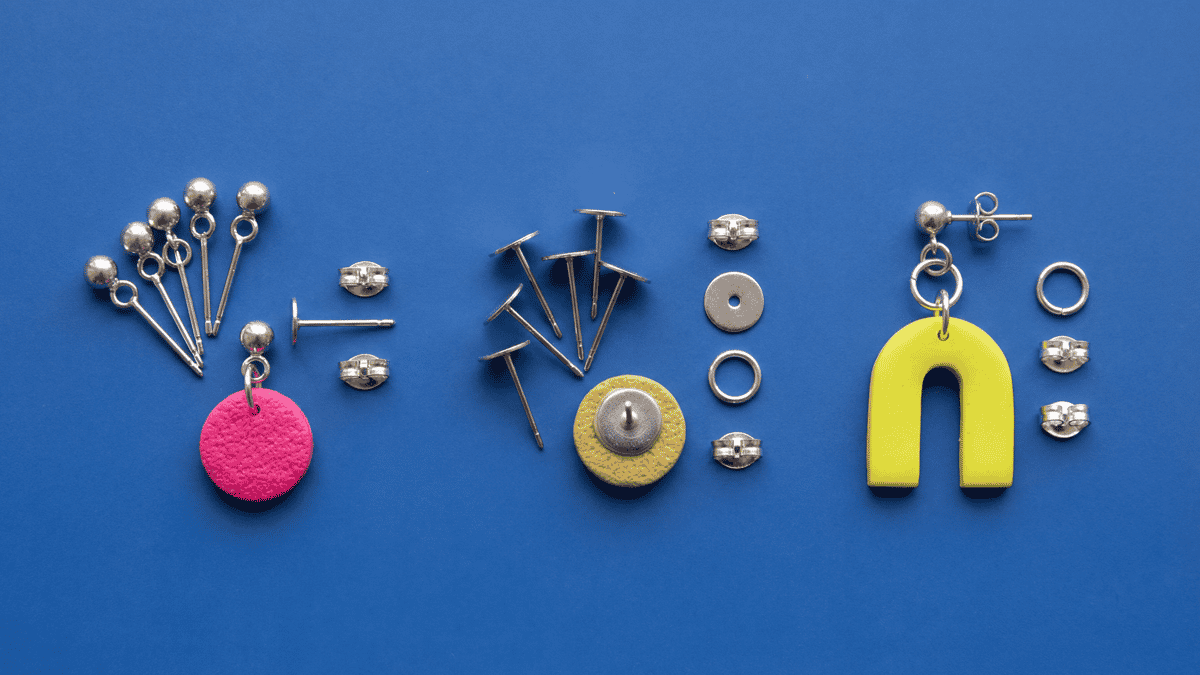
Polymer Clay Stud Toppers, Flat Pads, and Connector Rings
Choose the top connection from the front view first, then keep the attachment short and balanced. Compare visible loop-tops, flat pads, short ring paths, and balance-line marks on a sample before you make the final pair.
Read the guide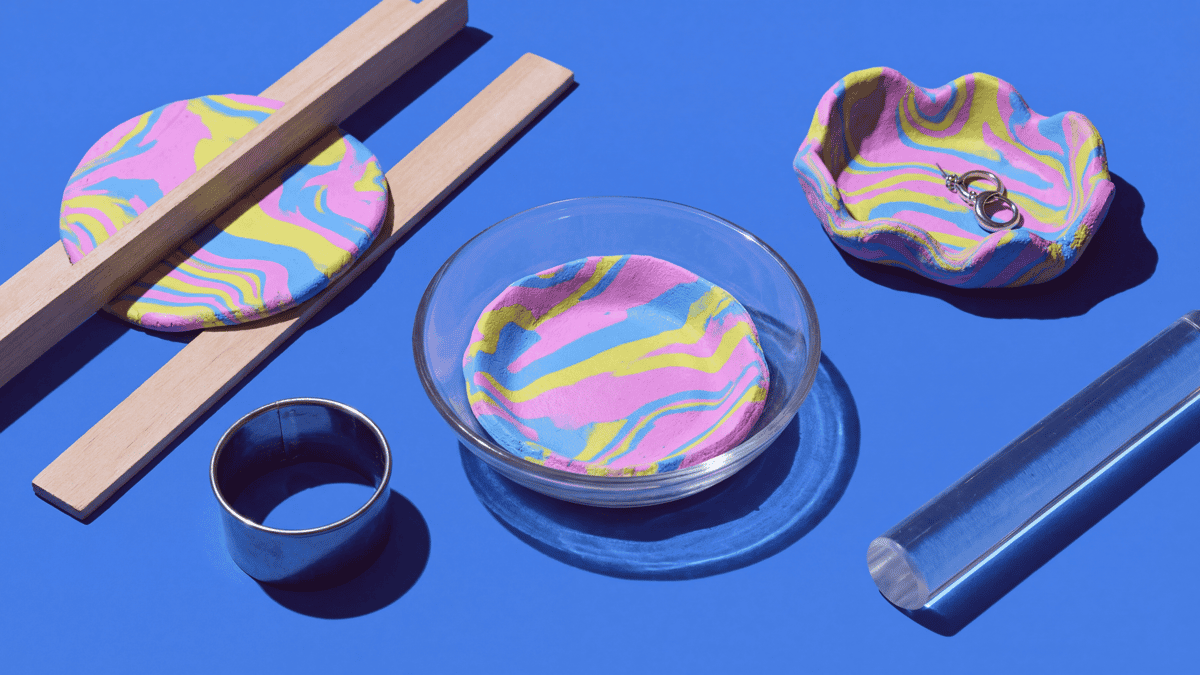
Polymer Clay Trinket Dishes, Forms, and Rims
Use a documented trinket-dish project as the starting point, verify the form and package bake, and keep the result decorative unless the maker supports another use.
Read the guide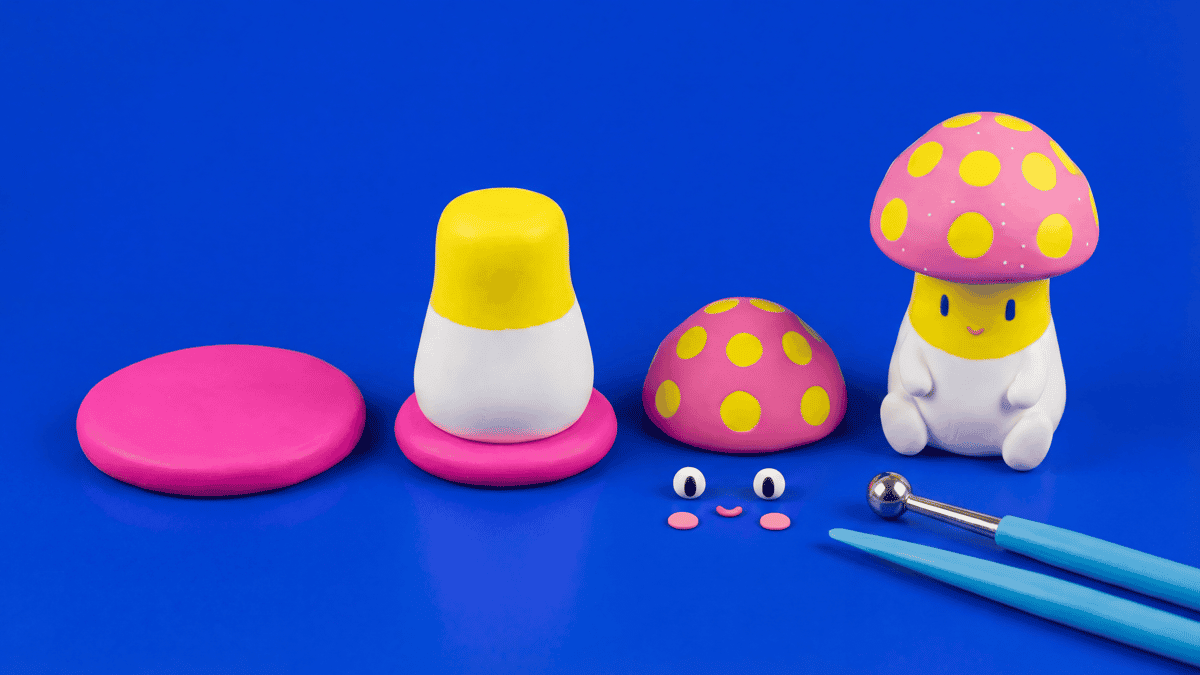
Polymer Clay Figurines: Stable Bases and Clean Features
Small figurines look simple until the base wobbles, the cap droops, or the face gets smudged while you are still shaping the body. This guide covers the order of operations that keeps polymer clay characters stable with cleaner features.
Read the guide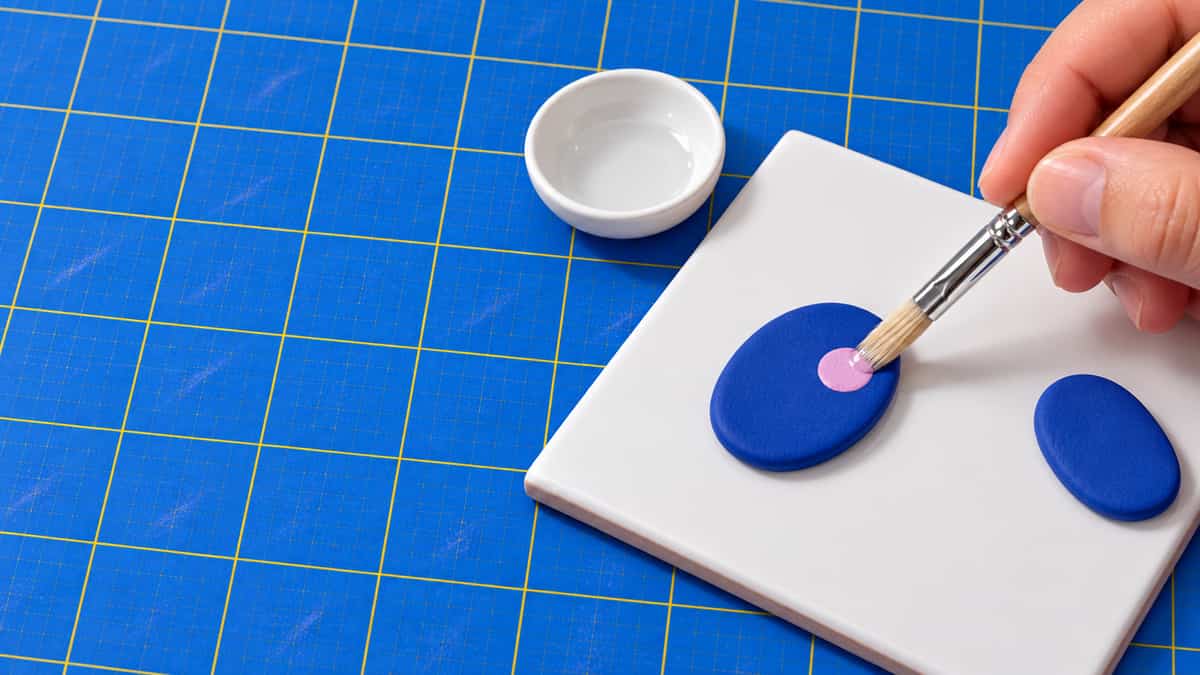
Painting baked polymer clay: which paint to use and whether to seal it
Painted details on a baked piece can smudge, rub off or leave a glaze sticky at the very last step. See which paint grips baked clay, how to brush small details cleanly, and when a coat is worth adding.
Read the guide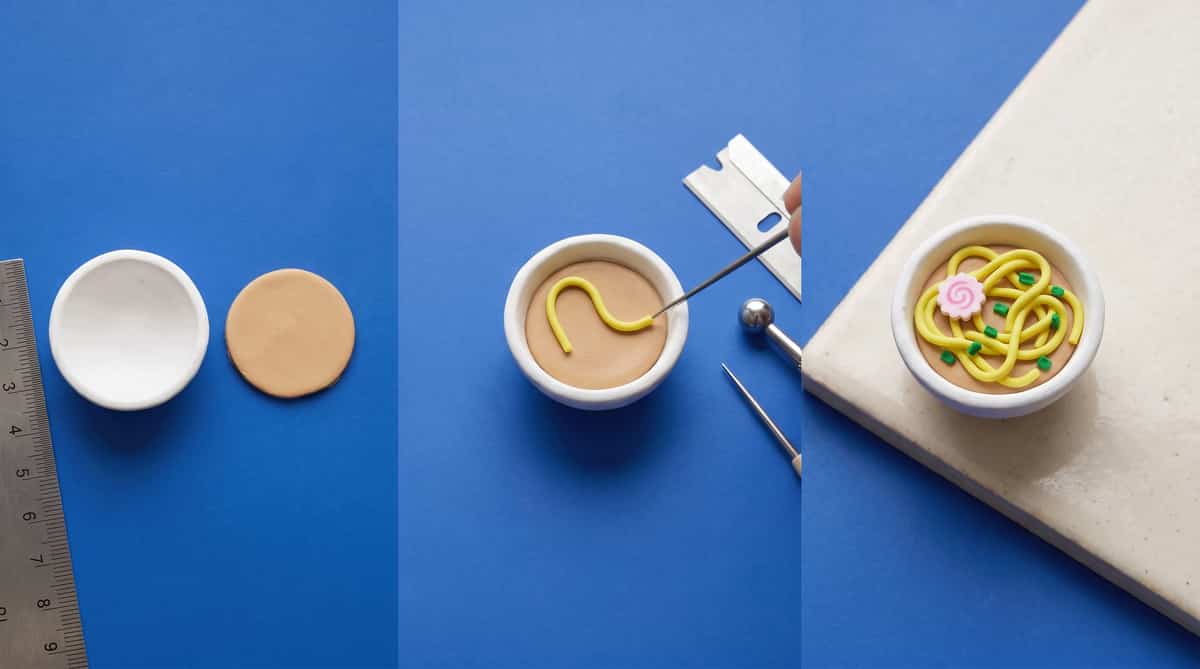
How to Make Polymer Clay Ramen Charms (Broth and Noodle Build)
Tiny ramen bowls, pho studs, and udon charms look cleaner when the bowl, broth disc, and noodles are built as three deliberate layers. This guide covers the build order, broth disc thickness, and how to seat noodles without cracking the rim.
Read the guide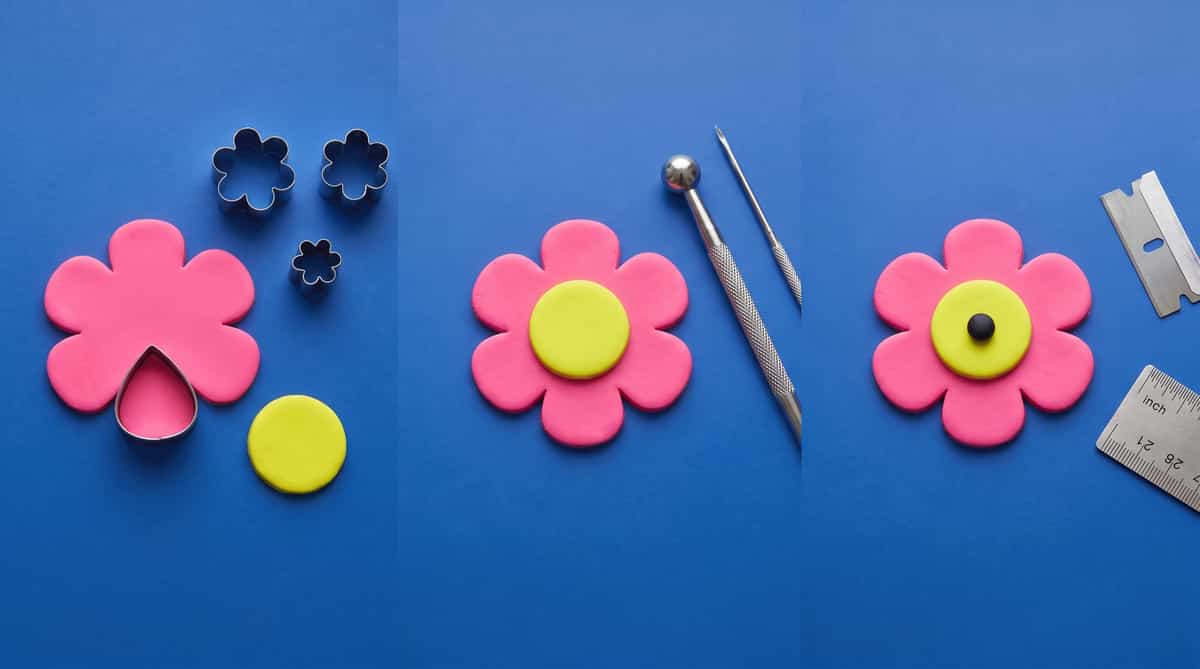
Two-Color Flower Applique: Buttons, Pendants, Earrings
Hand-built two-color flower applique for buttons, pendants, and earrings looks deliberate when the petal layer, contrasting center disc, and tiny accent dot are built in scale relationships. This guide covers petal cutter sizing, center disc proportions, and how to seat the parts without flattening the petals.
Read the guide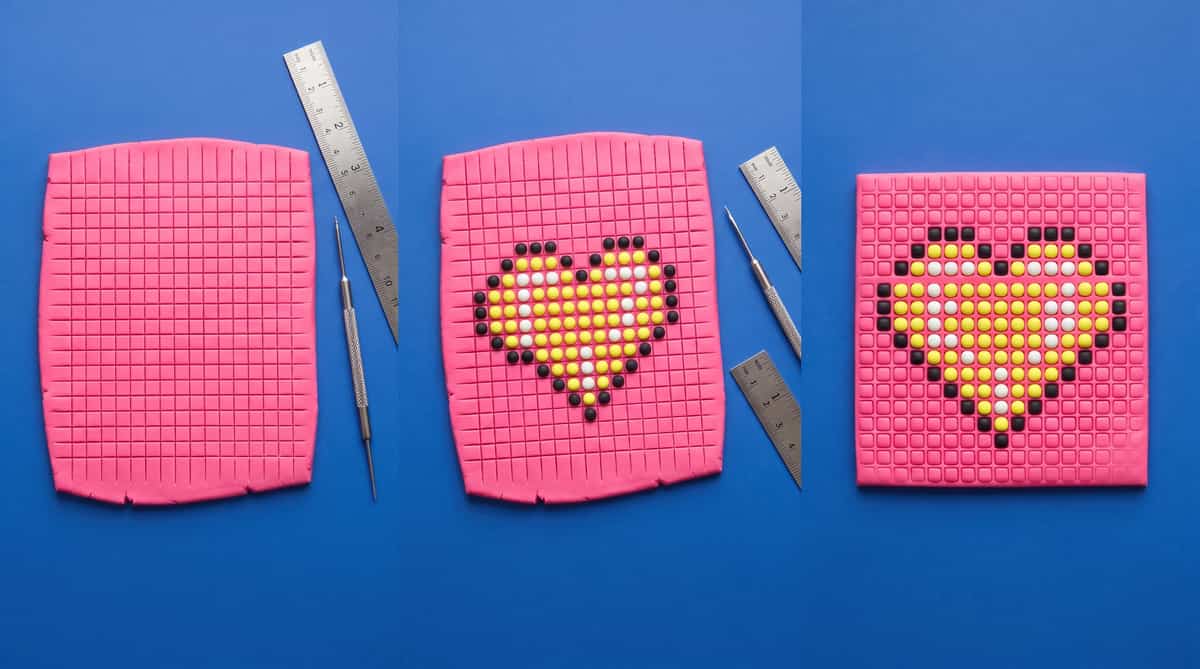
Polymer Clay Bead Grid Tutorial: Cross-Stitch Pixel Patterns
A regular grid of small clay beads can look like cross-stitch when the bead size, spacing, and color placement stay disciplined. This guide covers bead rolling, grid jigs, and how to keep the inlay flat and aligned through cure.
Read the guide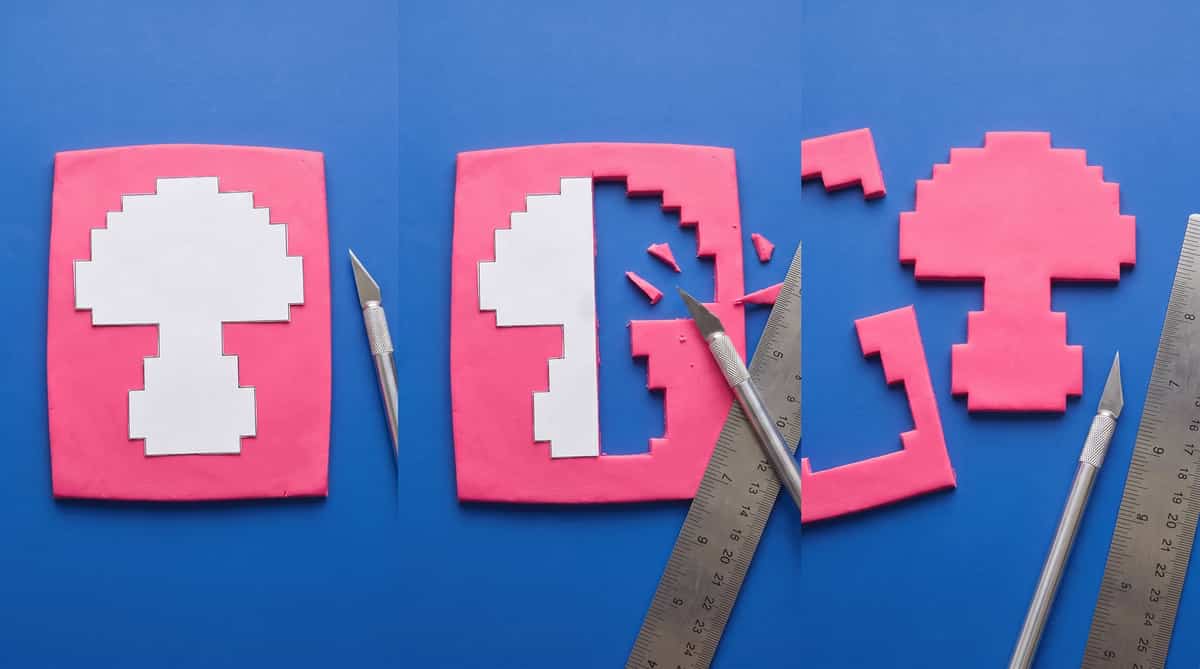
Cut 8-Bit Pixel Polymer Clay Earrings: Staircase Guide
True 8-bit pixel earrings and brooches need stepped-edge silhouettes that look like deliberate pixels from a distance, not softened curves. This guide covers grid-based templates, blade-cut checks, and keeping the staircase crisp through cure.
Read the guide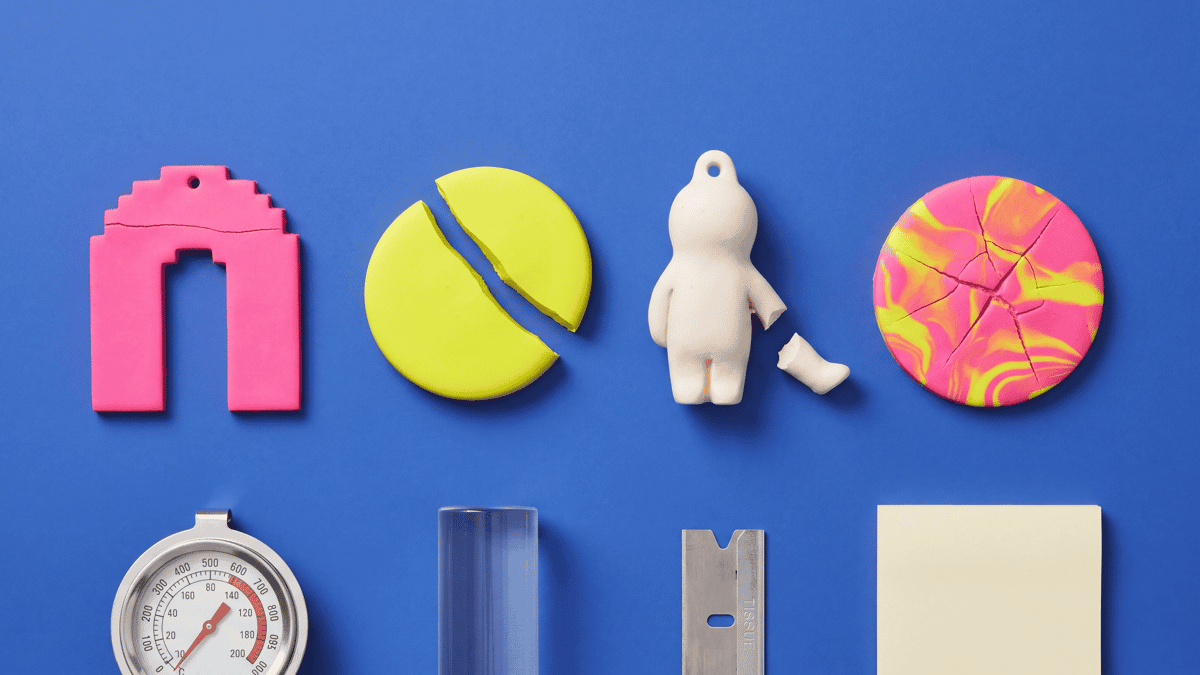
Why Is My Polymer Clay Cracking? Causes and Checks
When polymer clay cracks, check the package bake, measured oven temperature, conditioning, thickness, and support before assigning one cause.
Read the guide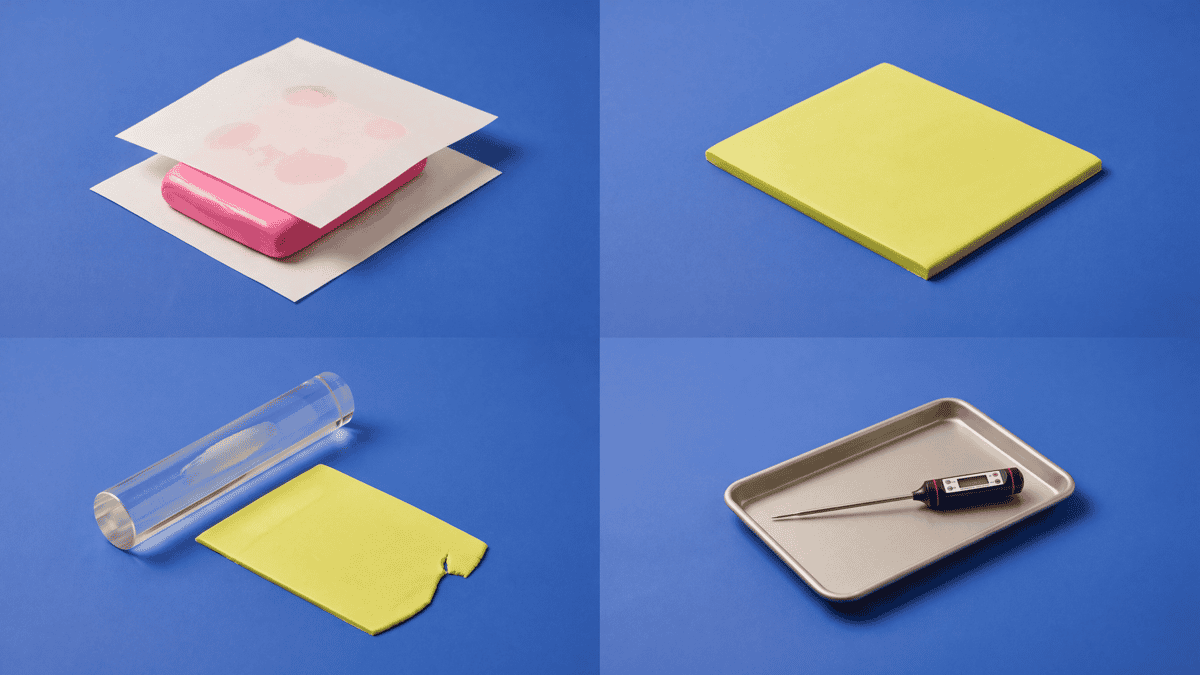
Polymer clay too soft or sticky? Chill it, then leach it, and know when to stop
Test whether the clay is warm or too soft, chill it on its tile, then leach it: let plain paper draw some of the plasticiser, the liquid that keeps clay workable, out of a thin sheet, and stop as soon as a cut piece lifts clean on a blade.
Read the guide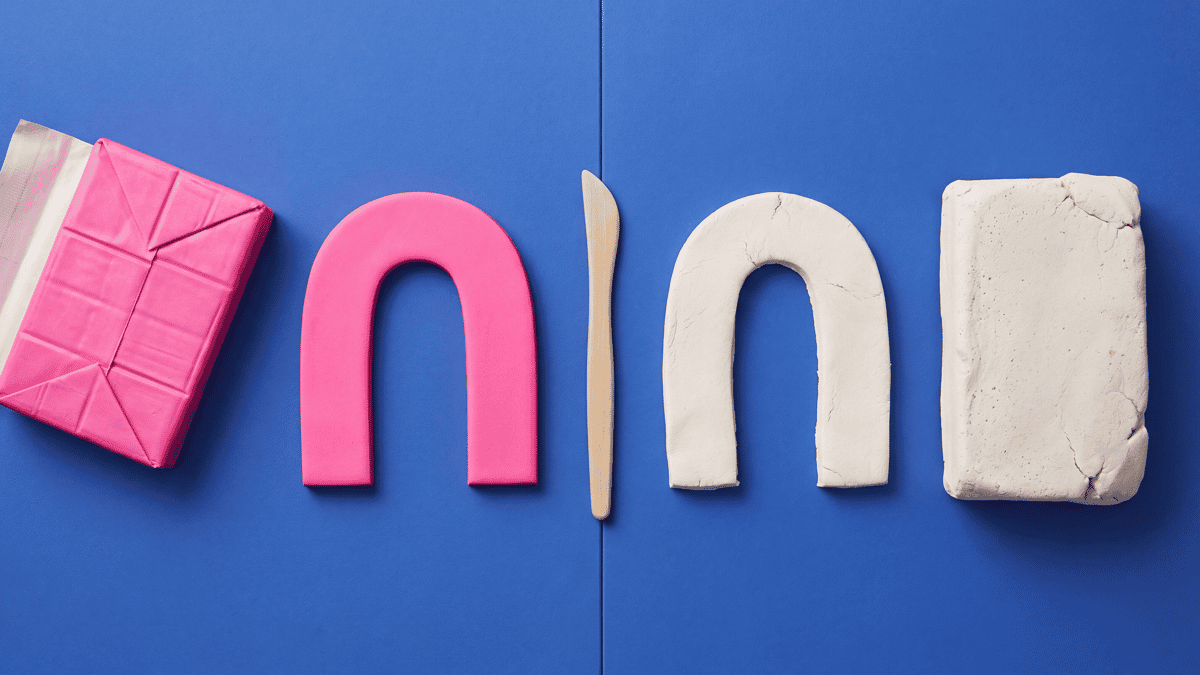
Polymer Clay vs Air Dry Clay: Which to Use
Compare exact product instructions rather than transferring cure, drying, moisture, thickness, or safety claims across two broad clay categories.
Read the guide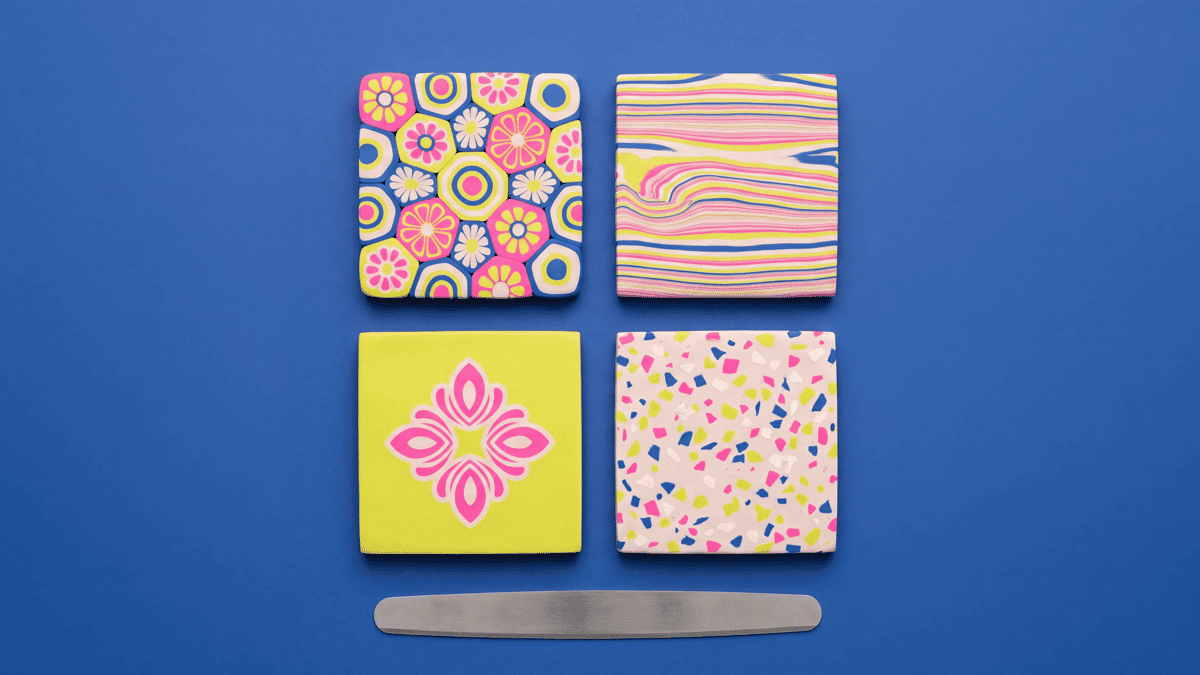
Polymer Clay Surface Effects: Cane, Inlay, Texture, or Print
Choose the surface method by the result you want: cane for a repeating slice pattern, inlay for a pressed two-color pattern, applique for raised motifs, and marbling for irregular color.
Read the guide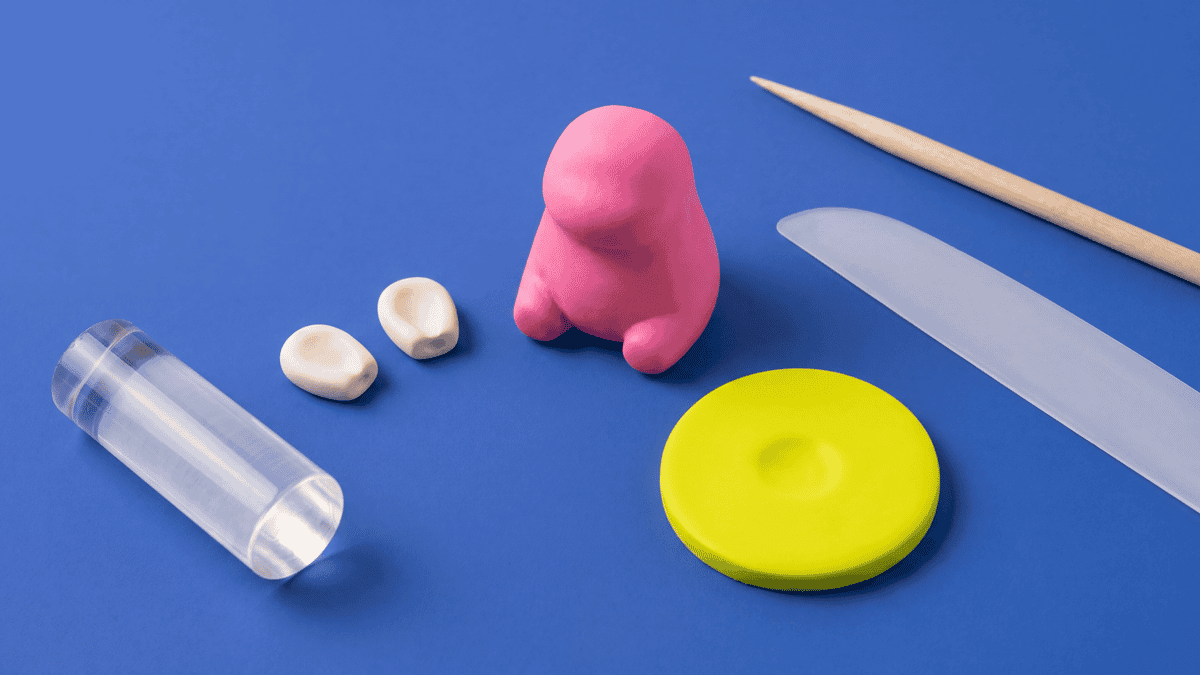
Polymer Clay Assembly: Build Order and Join Planning
Choose the bake surface, support, and build order before making the piece. Use an armature when the form and clay maker's guidance call for one.
Read the guide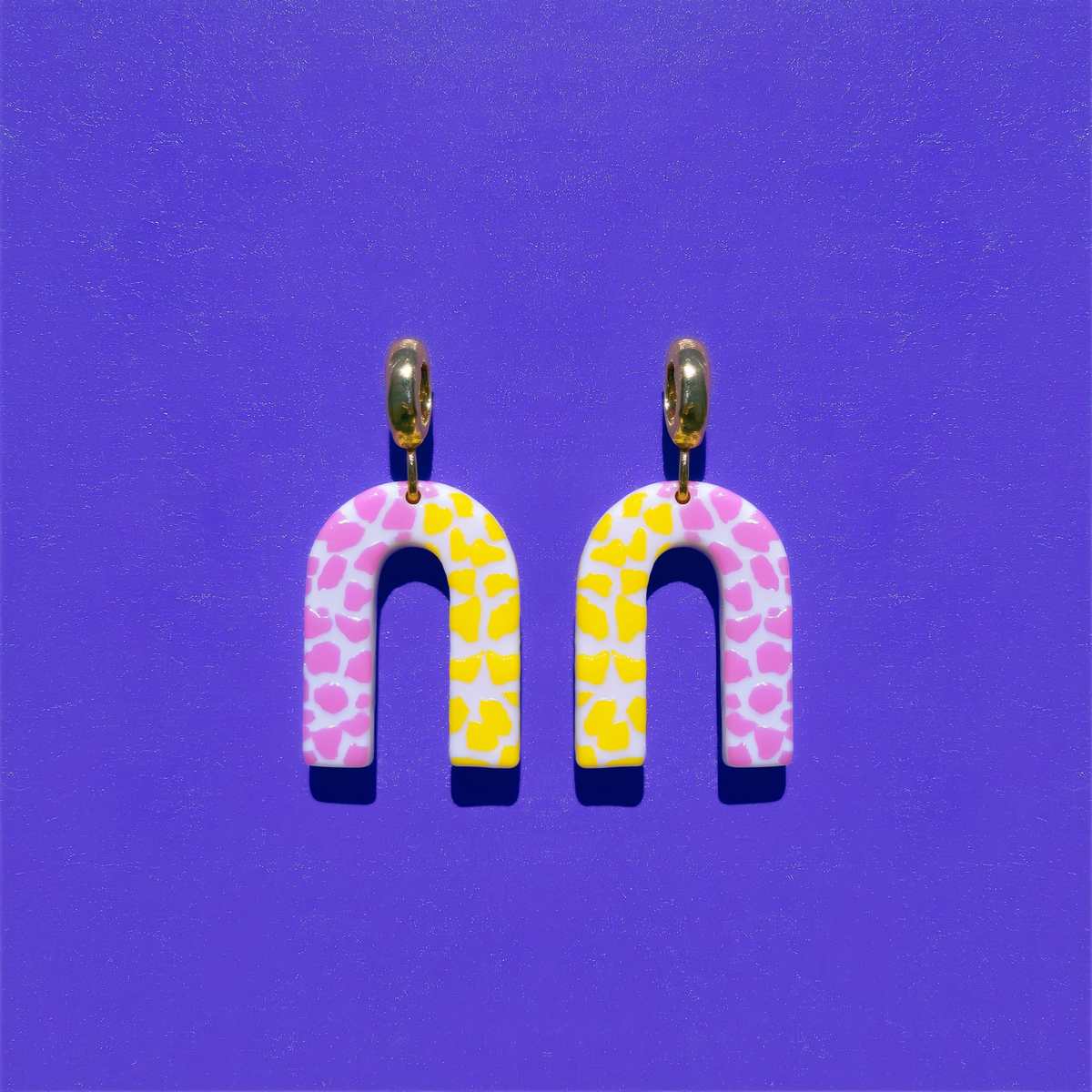
How thick should polymer clay earrings be?
Roll flat earrings about 3 mm thick or a little thinner, measure the raw slab, and size the jump ring, post pad and pasta machine setting to that thickness.
Read the guide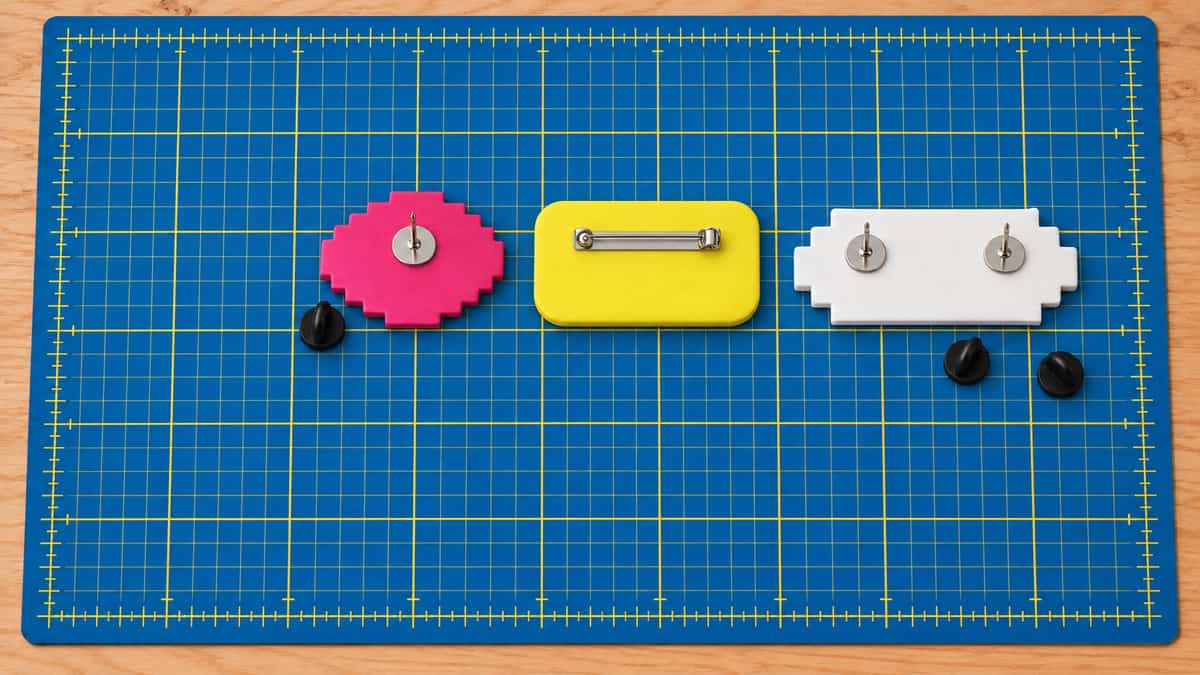
Brooch backs for polymer clay: which pin to choose before you bake
Tie-tack, bar pin, locking clutch or magnet: which brooch back suits a flat clay piece, and what to leave on the back of the clay before it goes in the oven.
Read the guide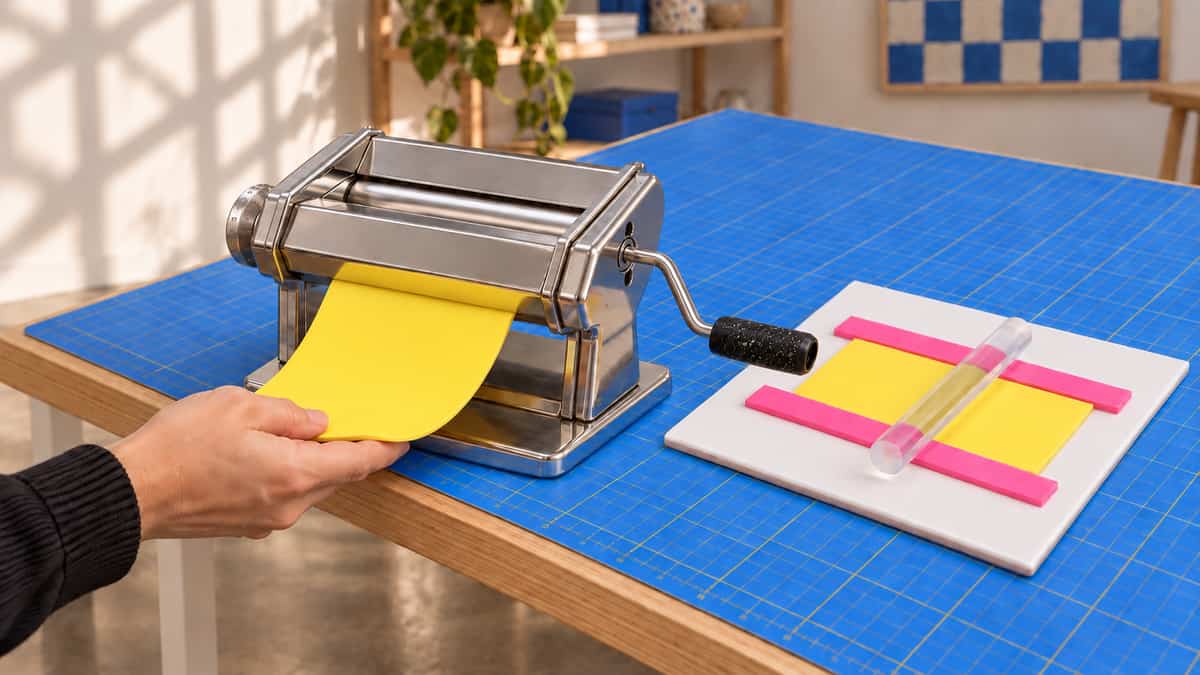
Best pasta machine for polymer clay: Atlas, Sculpey, Makin's or a roller
Buy the Marcato Atlas 150 for earring slabs and blends, or the Atlas 180 for slabs over 14 cm wide. Measured widths, thickest settings and lower-cost machines, compared.
Read the guide
Polymer clay pixel art: pick the build method for your design
Five ways to build polymer clay pixel art, compared on one 12 x 12 design: stacked cutter layers, one stepped silhouette, square tiles, a pixel cane or clay beads, plus the sum that sets each pixel's size.
Read the guide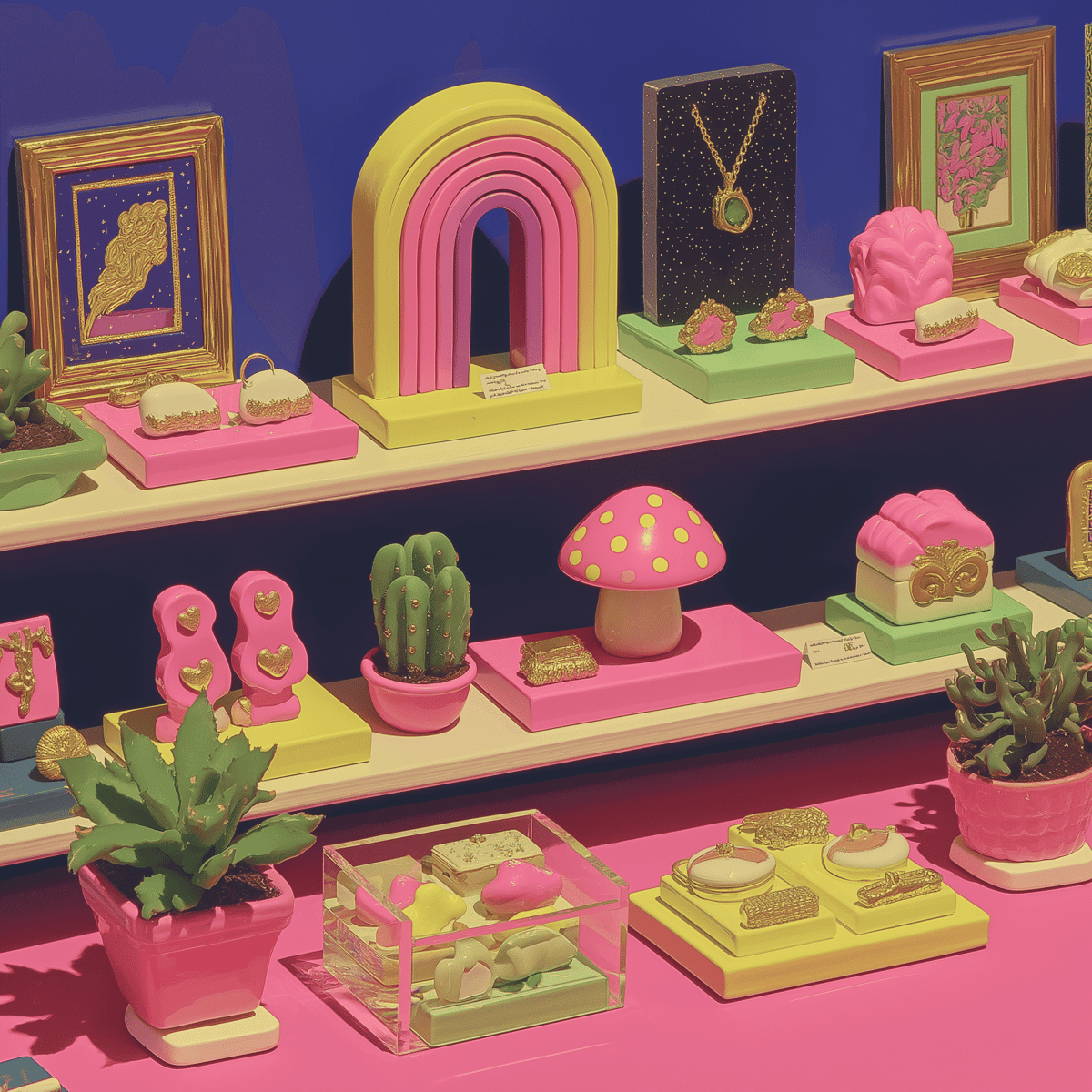
What’s in my polymer clay kit? 10 things I’d buy first
The ten things I would replace first, from the pasta machine that saves my hands to the small tools, work surfaces, cutters, and clay I would choose again.
Read the guidePolymer clay guides
Isolate the variables that might be causing your clay issues.
When a baked earring snaps, a post lifts, or your sealer dries cloudy, you don't have to guess what went wrong. These guides suggest variables to check on your table, including tray-height oven temperature and clay brand flexibility, post pad contact, and sanding grit order. Find the step giving you trouble and test potential fixes on scrap clay first.
Reference notes
Get polymer clay reference notes
New guides on tools, findings, finishing, and studio setup as they publish. Free, no spam, unsubscribe anytime.
By subscribing you agree to get Clay Bake Studio emails about new guides, tools, build kits and offers. Unsubscribe anytime. We do not sell your email. Read our privacy policy.