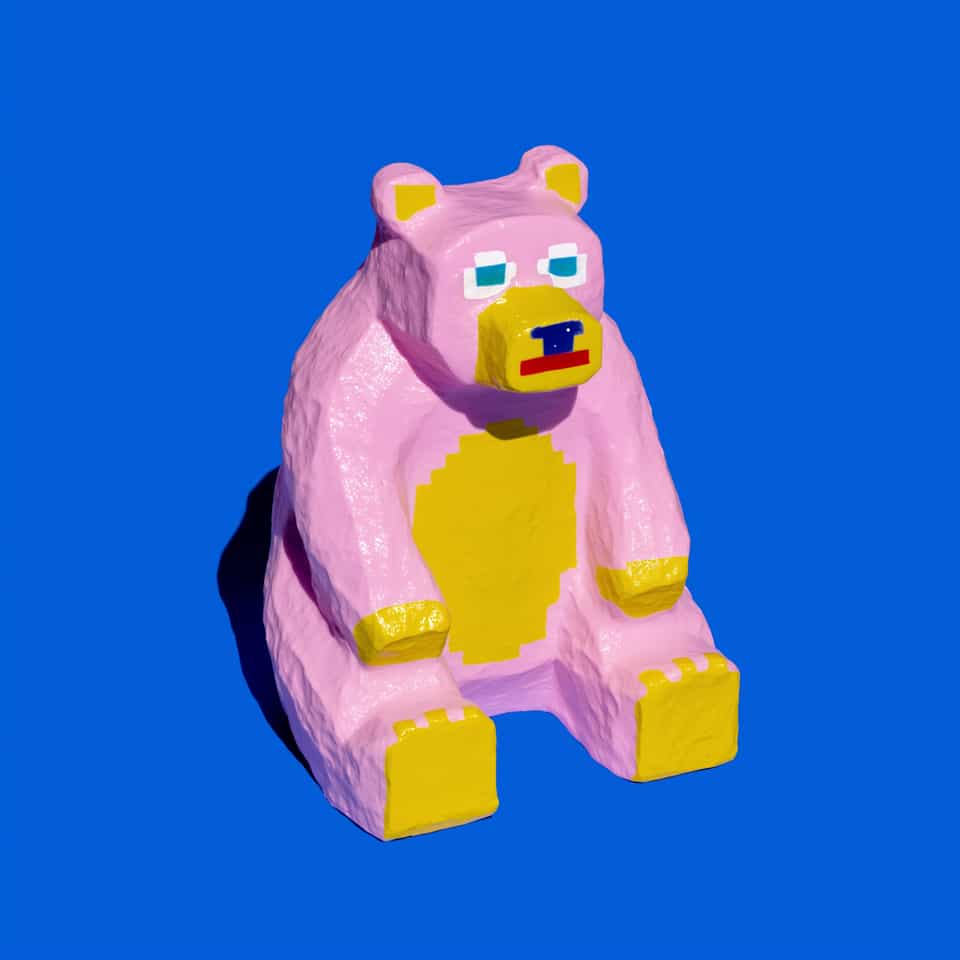
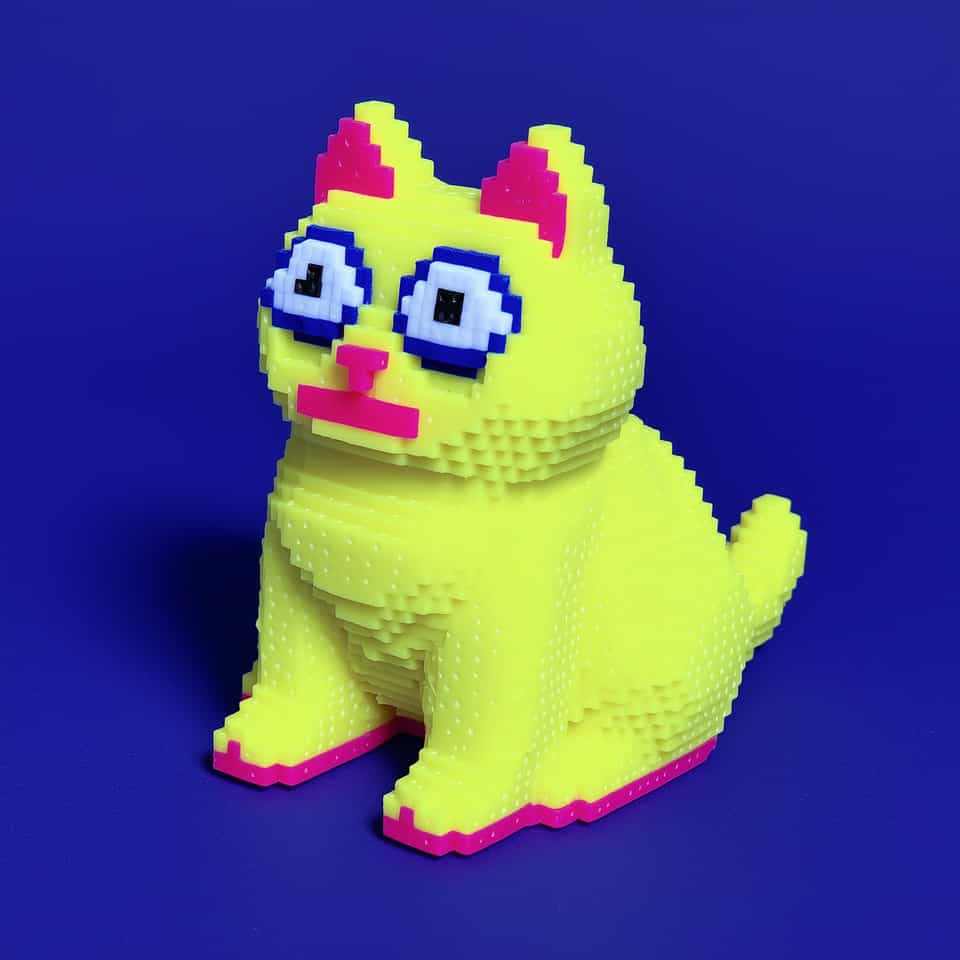
Polymer Clay Figurines: Stable Bases and Clean Features
Small figurines look simple until the base wobbles, the cap droops, or the face gets smudged while you are still shaping the body. This guide covers the order of operations that keeps polymer clay characters stable with cleaner features.
Some links on this page are affiliate links. If you buy through them, we may earn a commission at no extra cost to you. As an Amazon Associate I earn from qualifying purchases. Disclosures

In brief
Key takeaways
- Build figurines from large masses to small features. The body and base should be settled before you ever touch the face
- Broad base contact does more for stability than tiny details. A figurine stands or falls on the footprint
- Support overhangs, ears, or projecting parts during baking with a documented heat-suitable support such as crumpled foil or polyester fiberfill to reduce sag risk
- Use shine selectively on figurines. Test any clay-compatible finish on a baked sample so the form still reads like clay rather than coated plastic
Article contentsOpenClose
Plan the body, base, and pose before adding small features. Larger or varying-thickness forms may need a documented armature or lightweight core, consistent outer clay, and support for raised parts during the bake.
Set The Main Mass First
Shape the body, base and pose, then inspect the raw form from the front and side. If it leans, try a wider base, a lower pose or a separate base disc, checking that it stands before adding the small features.
Use Structure When The Form Needs It
For larger forms or bodies with varying thickness, follow the clay maker's armature or lightweight-core guidance. Keep the visible clay layer consistent and use only core materials documented for the package temperature. Small compact figures may not need the same structure.
Add Features After The Pose Holds
Place eyes, cheeks, mouth, and accessories only after the main form sits the way you intend. Build order and facial-detail order are practical ways to reduce handling, but they remain choices for this project.
Support Raised Parts And Bake By The Package
Use a documented support such as shaped foil or polyester fiberfill under projecting parts. Verify the baking area with an oven thermometer and follow the exact package for every bake pass.
Stage Bakes Only When The Clay Allows It
Keep the piece unpainted and unglazed during any permitted second bake, let it cool between cycles, and follow the package each time. Check every armature, adhesive, paint, and finish before it returns to the oven.
Choose Finish After The Cooled Check
Inspect balance, features, and surface after cooling. Sealing is optional. If you add shine or paint, follow the exact product directions and test the full material stack on cured scrap first.
Supplies
Supplies mentioned here
Quick links to the materials and tools that fit this article. ClayBake tools stay on our own catalog.
Silicone sculpting tool set
Good for smoothing body forms and nudging small features without dragging them.
Ball stylus set
Good for eye sockets, smile marks, and small rounded details.
Polyester fiberfill
Good to test when a cap, ear, or projecting part needs gentler support during baking.
Super Sculpey Ultralight
Useful to compare as a lightweight Sculpey core option for larger bodies before the final detail skin goes on.
More guides in this path
Open these when the next decision is material choice, attachment, or finishing.
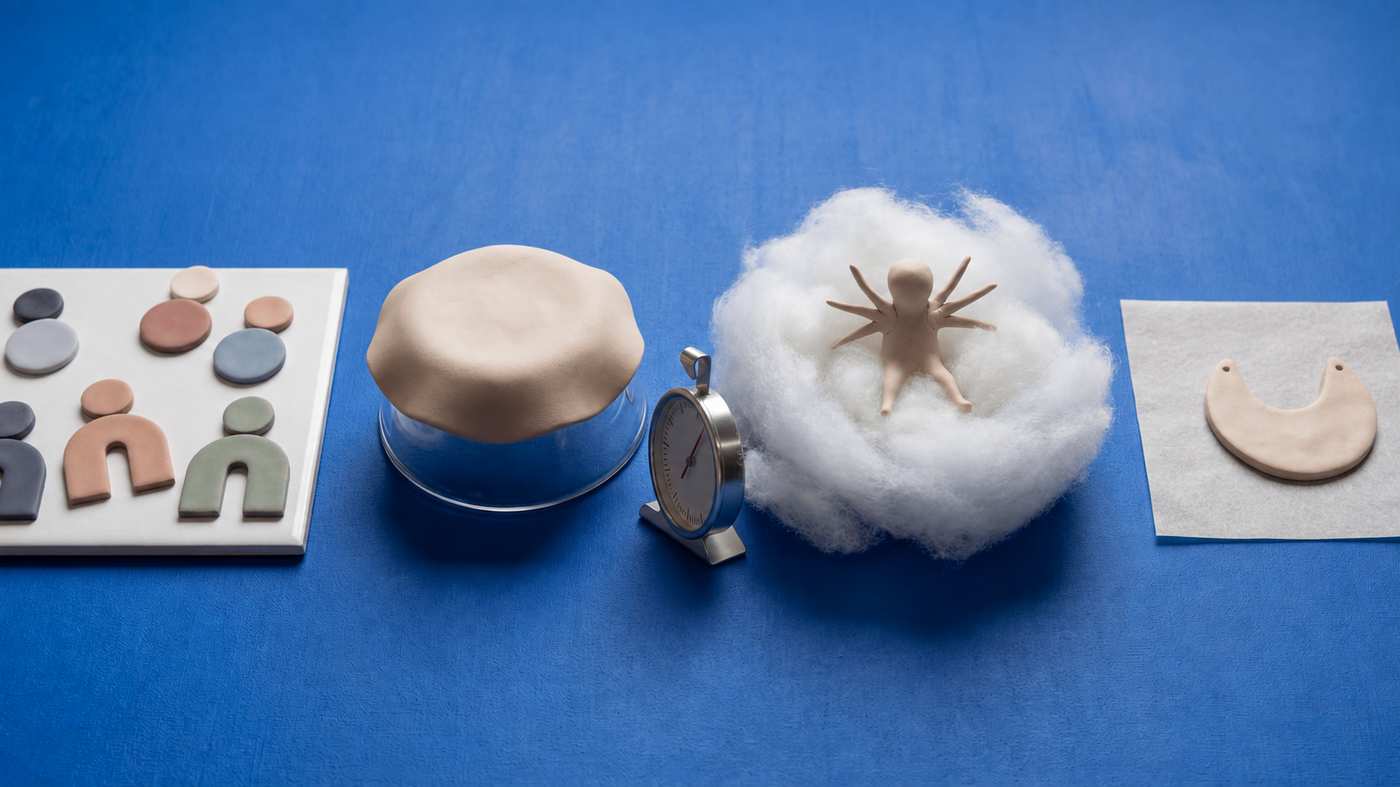
What to bake polymer clay on: tile, card and supports for flat, folded and large pieces
Bake flat pieces on a glossy tile and move them onto plain card only for a matte back. Hold curves, limbs and overhangs with fiberfill, crumpled foil or an oven-safe glass form, bake round beads on skewers, and leave everything on its support until it feels cool.

How to make polymer clay mushrooms: a desk toadstool, an earring charm and a plant-pot pick
A polymer clay mushroom is a domed cap with a socket pressed into its underside and a teardrop stem seated in it. Make a desk toadstool from a quarter bar of clay per piece, an earring charm with the eye pin set before baking, or a pick for a plant pot.
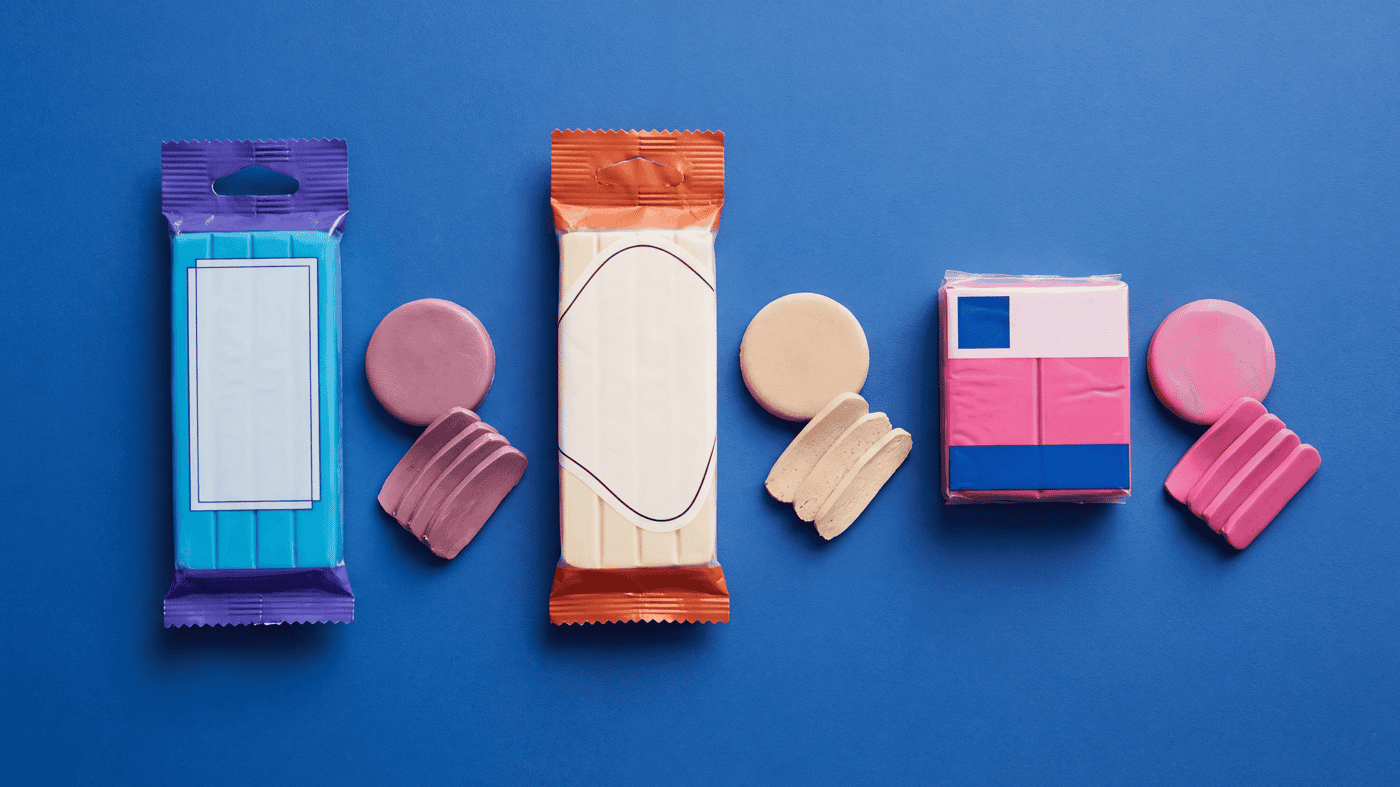
Premo vs Soufflé vs FIMO: which polymer clay to buy for cutter and layered pieces
Buy Sculpey Premo first for cutter and layered pieces, Soufflé when the pair must stay light, and FIMO Professional when a design cuts many small pieces from one slab.
Finished examples with related clay decisions
Each piece shows how a material, attachment, or surface choice changes the final form.