Beginner
+3

Polymer Clay Basics for Beginners

A beginner primer on clay choice, core tools, a first project, and the mistakes that most often cause early frustration.

Updated
11 min read
Polymer Clay Basics for Beginners

In brief

Key takeaways

  1. 1Start with one clay line you can actually test instead of mixing advice and materials from several brands at once
  2. 2Use an oven thermometer to compare the oven dial with the real tray temperature near the clay
  3. 3Treat package directions as the bake baseline because different clay lines do not share one universal rule
  4. 4Condition clay until it feels workable and folds without cracking before you cut or shape it
  5. 5Use this page for the full beginner path, then move to the beginner toolkit guide when you want the shopping-only decision

Some links in this guide are affiliate links. If you buy through them, we may earn a small commission at no extra cost to you. As an Amazon Associate I earn from qualifying purchases.

Full disclosures
What we'd start withcurated picks
Quick answer

Start with one clay line you can actually test, a calm set of core tools, and a simple first project that teaches cure, thickness, and clean cuts before you guess at harder hardware decisions.

What decided the shortlist

This hub is organized around first-month learning order: pick one clay line, understand the core tools, learn package-first baking, then test a simple project before you widen the cart or the technique stack.

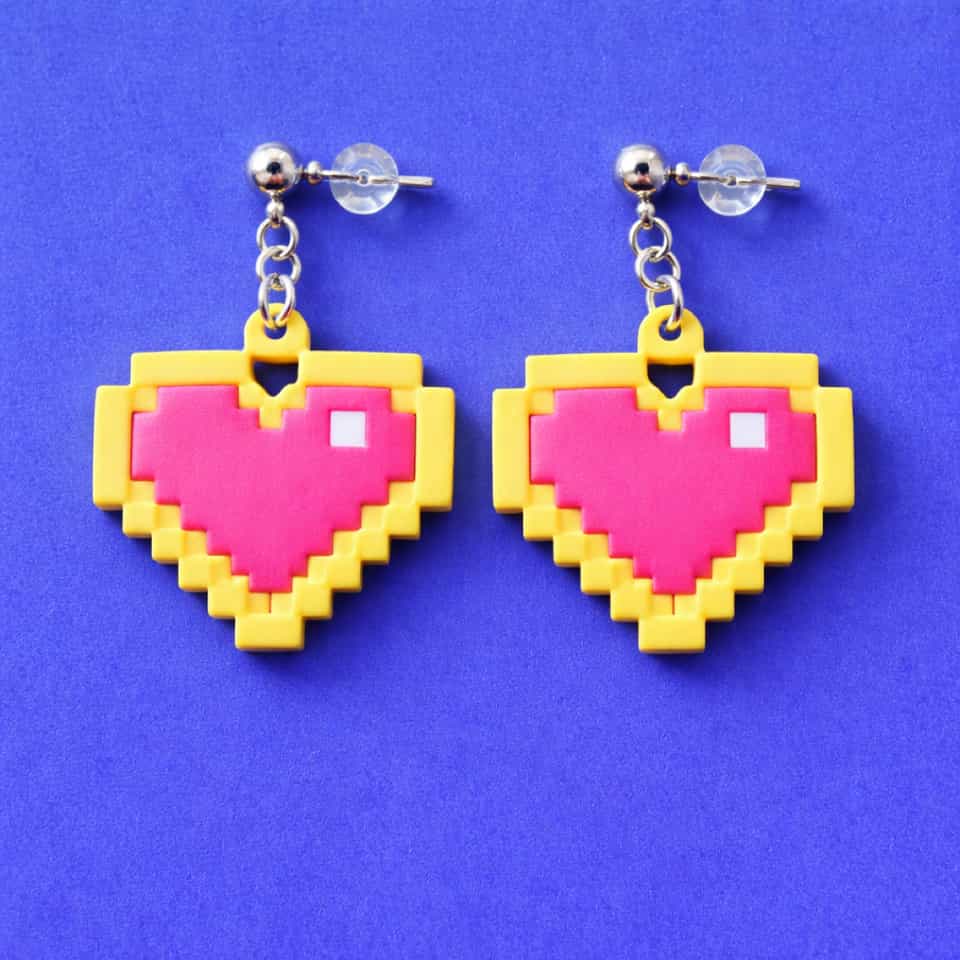
So you've seen those stunning polymer clay earrings on Instagram and thought, "I want to do that." Welcome to the club! Polymer clay is one of the most versatile, forgiving, and accessible mediums for modern makers.

But walking into the craft store aisle can be overwhelming. Blocks of every color, a thousand tools, and conflicting advice. Let’s cut through the noise with a smaller starter setup, one clay line you can actually test, and a first practice project that teaches the basics without forcing a risky hardware path on day one.

Maker reference only. Verify brand instructions, seller details, dimensions, and safety guidance for your own setup.

Full disclosures

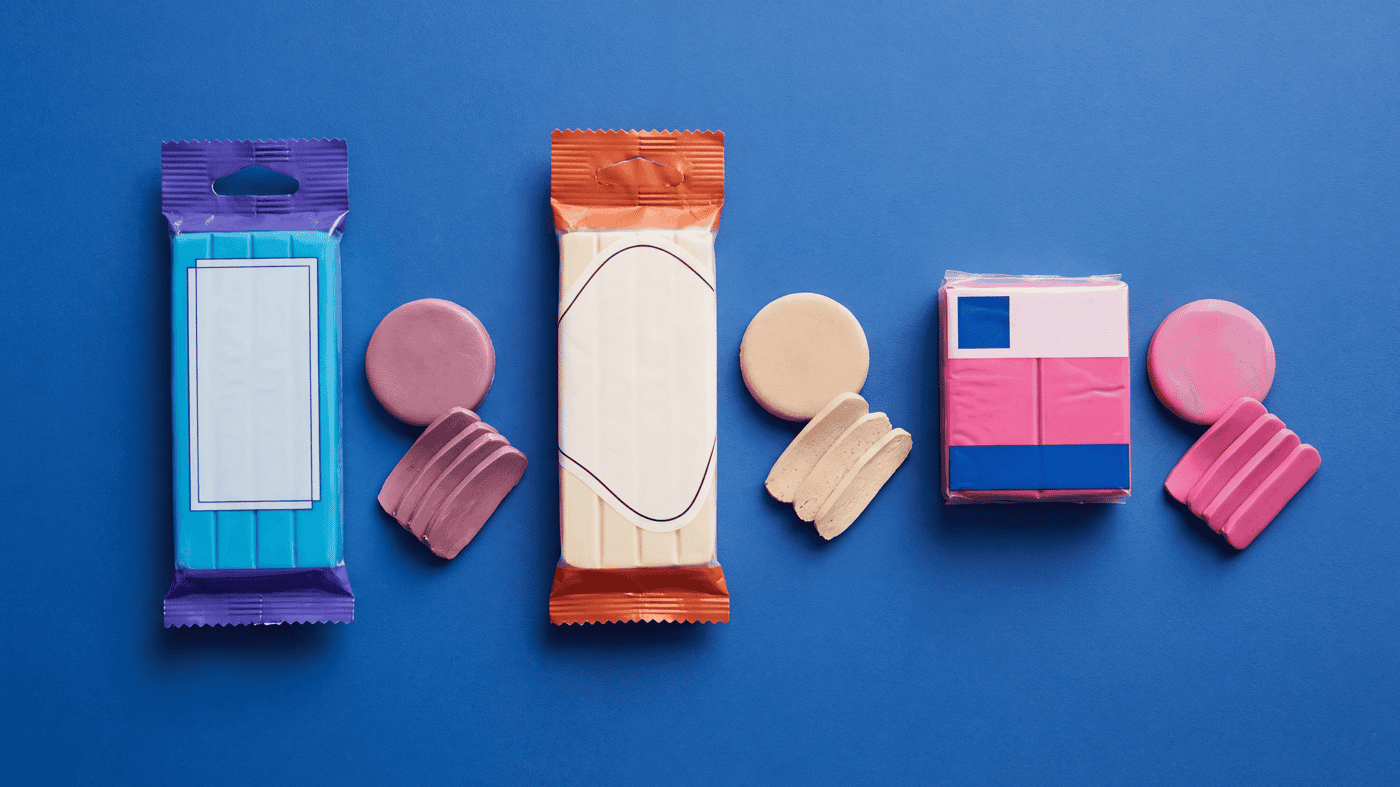
1. Choosing Your Clay: Start With One Known Line

Start with one clay line you can read, test, and repeat. Premo and Soufflé are common beginner starting points for slabs and simple jewelry, but no single line should be treated as universal.

Not all polymer clay lines behave the same way after cure. The safer beginner move is to pick one line, follow the package directions for that exact line, and bake a small test piece before you buy a giant stash or start mixing advice from different brands together.

Polymer clay brands differ in conditioning feel, cured surface, and how comfortable they are for thin slabs, canes, or lightweight jewelry. Premo and Soufflé are common starting points for beginners because many makers like them for slabs and simple wearable shapes. FIMO Professional and Cernit are also workable, but they feel different in the hand and should be tested on your actual build thickness before you rely on them.

Brand Finish Often Chosen For Watch For
Sculpey Premo Smooth, semi-glossy Slabs, simple jewelry, color mixing Follow the package directions and test your actual thickness
Sculpey Soufflé Matte, suede-like Lightweight earrings, matte-leaning finishes Softer feel can change how crisp edges hold
Fimo Professional Firm, matte Caning, firmer detailed work Firmer conditioning feel than softer lines
Cernit Translucent, porcelain-like Translucent looks, faux stone, jade effects Test cure and finish on samples before committing
Sculpey III Smooth, glossy General crafts and thicker practice pieces Test thin wearable parts carefully before you rely on them

Pro Tip

Start with a sampler pack of Premo or Soufflé multipack if you want a smaller first order. White, black, a few primaries, and maybe translucent are enough to start testing color mixes without buying every block on the shelf.

2. Core Tools To Understand First

One practical starter setup is a ceramic tile, acrylic roller, tissue blade, needle tool, and oven thermometer.

You do not need a full dedicated studio to start. These are the core tools that solve the first month of problems. If you want the shopping-only version of this decision, use our beginner toolkit guide.

  • Work Surface: A smooth ceramic tile or another oven-safe glass or metal surface kept dedicated to clay work. If you plan to shape and bake on the same surface, confirm it is oven-safe for that use so flat pieces move less between shaping and cure.
  • Acrylic Roller: To flatten your clay. Avoid wood rolling pins as the grain transfers to the clay. A clear acrylic roller lets you see what you're doing.
  • Tissue Blade: A super sharp, flexible blade for slicing clay. It's much sharper than a kitchen knife and allows for clean cuts.
  • Needle Tool: For poking holes and adding texture.
  • Oven Thermometer: This is one of the most useful early upgrades. Oven dials can run hotter or cooler than the actual tray temperature, and that is exactly the kind of drift that turns into scorching or incomplete cure.

One practical starter setup is a dedicated ceramic tile or other oven-safe surface for shaping and many flat bakes, an acrylic roller for even sheets, a tissue blade for cleaner cuts, a needle tool for holes and texture, and an oven thermometer to compare the oven dial with the real tray temperature near the clay.

Nice-to-Have (But Not Essential)

  • Pasta Machine: For conditioning clay and rolling even sheets. A dedicated clay pasta machine will save you hours of rolling.
  • Clay Cutters: Start with a thin-walled cutter set on Amazon. Get circles, arches, and one "fun" shape to cover your first designs.
  • Texture Sheets: For adding patterns to flat slabs quickly.

3. The Baking Rules

Start with the baking temperature and time on your clay line packaging, then use an oven thermometer to compare that target with the real tray temperature.

Fear of burning is common, but temperature drift and incomplete cure are just as real. Package-first baking is the safest baseline.

  1. Temperature: Check the package for your exact line first. Many Sculpey lines use 275°F (130°C), but brands differ and should not be collapsed into one universal rule.
  2. Time: For Sculpey lines, official guidance commonly uses quarter-inch timing. Use that as a Sculpey-specific baseline only, and test again if you change brand, thickness, or form.
  3. The Tent Method: A foil tent or cover can help in ovens that overshoot or throw strong top heat, especially on light colors. Treat it as a heat-management option, not a requirement for every bake.

Incomplete cure is a common cause of broken polymer clay pieces. Follow the instructions for the exact clay line you are using, verify the real oven temperature with a thermometer, and use a small test piece when your bake setup or wall thickness changes.


4. Common Beginner Mistakes (And How to Avoid Them)

The five biggest beginner mistakes are skipping conditioning, leaving fingerprints, fighting overly soft clay, trusting the oven dial, and expecting one bake rule to fit every clay line.

Every maker has made these mistakes. Save yourself the frustration by learning from our collective failures:

Mistake #1: Not Conditioning Your Clay

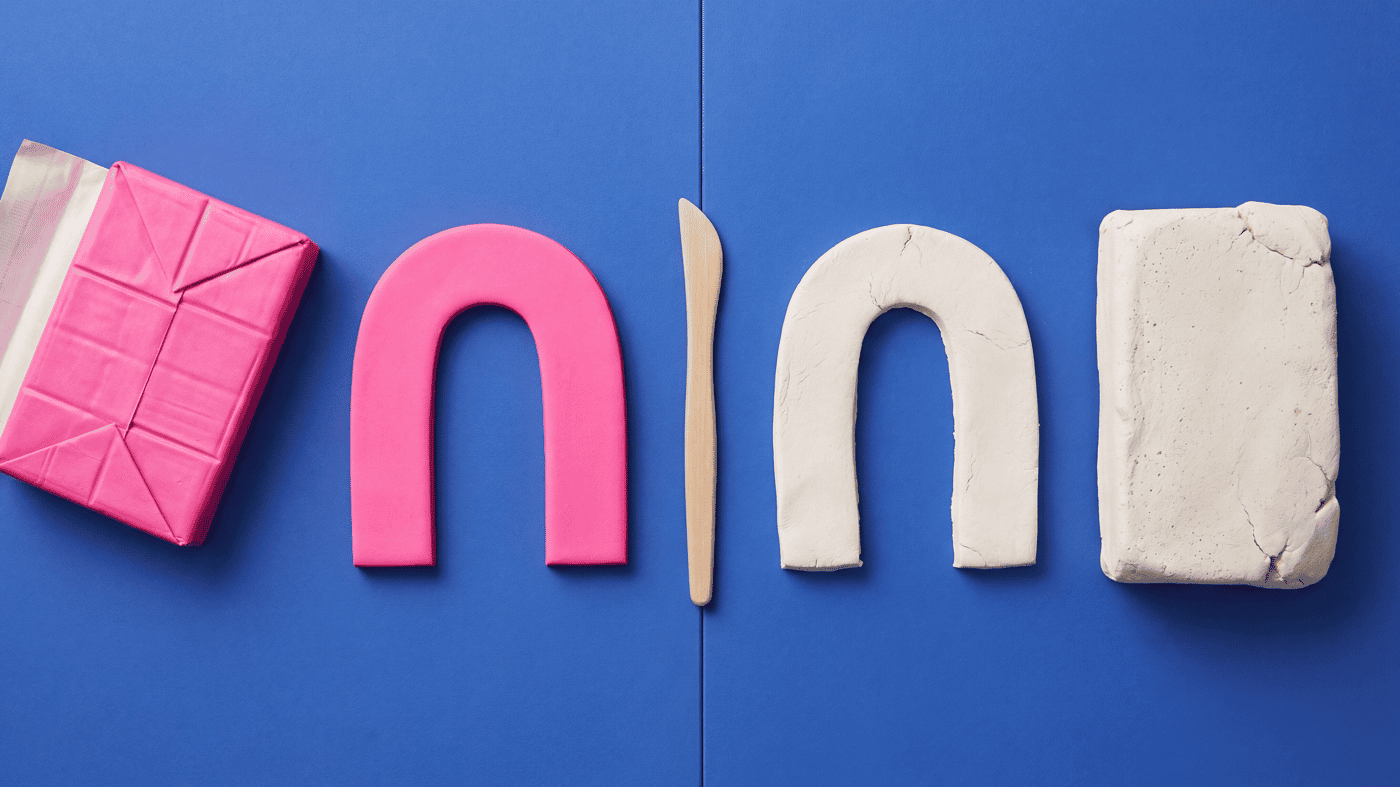
The problem: Raw clay straight from the package can be crumbly or stiff. If you don't condition it (warm and knead it), it won't stick to itself properly and will crack.

The fix: Condition each piece until it feels workable and folds without cracking. If it is very stiff, slice it thin, stack the slices, and run them through a pasta machine or roller in repeated passes.

Mistake #2: Fingerprints Everywhere

The problem: Your finished piece has visible fingerprints baked into the surface.

The fix: Wear thin latex or nitrile gloves while handling finished pieces if prints are becoming a recurring problem. You can also wet sand light surface marks after baking if the design still suits that finish path.

Mistake #3: Clay Sticking to Everything

The problem: Clay sticks to your work surface, roller, or cutters.

The fix: Work on a ceramic tile or glass surface instead of an unknown plastic, dust cutters lightly when needed, and chill overly warm clay briefly before forcing it through a sticky cut.

Mistake #4: Burnt or Discolored Pieces

The problem: Your white clay came out beige, or pieces have brown spots.

The fix: Use an oven thermometer to check the real tray temperature, and add a foil tent if your oven runs hot or throws strong top heat. Bake on the middle rack instead of crowding the top elements.

Mistake #5: Brittle Pieces That Break

The problem: Your earrings snapped when you dropped them.

The fix: Check the package instructions for your exact clay line, verify the real oven temperature, and test a small piece before changing the bake. If you are trying thin wearable parts, also check whether your current clay line is the best fit for that thickness.


5. Your First Project: Simple Circle Practice Pieces

Simple flat circles are a cleaner first project than a full hardware build. You learn slab thickness, clean cutting, and package-first baking without guessing at posts, glue, or wearability on day one.

Let’s make two small practice pieces you can leave as flat samples, turn into charms later, or use as your first finish-test chips.

What You'll Need

  • 1 block of your chosen polymer clay line
  • Round cutter (or a bottle cap/small glass)
  • Needle tool or skewer if you want to mark a top hole before baking
  • Ceramic tile or other oven-safe surface dedicated to clay work
  • Oven thermometer

Step-by-Step Instructions

  1. Condition your clay: Knead until it feels workable and folds without cracking.
  2. Roll a flat slab: Using your roller (or a glass jar), roll the clay to about 2-3mm thick. Aim for even thickness.
  3. Cut your shapes: Press your round cutter straight down, don't twist. Lift carefully. You need 2 circles the same size.
  4. Smooth the edges: Use your finger to gently smooth any rough edges. For a cleaner look, lightly roll over the cut pieces with your finger.
  5. Optional top-hole mark: If you want one piece to become a pendant test later, mark the top hanging point lightly while the clay is still raw.
  6. Place on tile or tray: Transfer your circles to the ceramic tile or other oven-safe surface you keep for clay work.
  7. Bake: Follow the package directions for your exact clay line and use the thermometer to confirm the real oven temperature near the tray.
  8. Cool and inspect: Let the pieces cool, then check the edges, thickness, and surface. This is the point where you decide whether you want sanding, buffing, or a later hardware test.
  9. Optional next step: If you want to turn one piece into a pendant or stud later, use the pendant or post guides instead of guessing the hardware path from memory.

Variations to Try Next

  • Mix two colors for a marbled effect before rolling
  • Press a texture stamp into the surface before cutting
  • Stack two different-sized circles for a layered look
  • Use an arch or oval cutter instead of circles

Ready to start? Grab one clay line, roll out a small slab, cut a couple of shapes, and run a clean test bake. The fastest way to learn polymer clay is still to make something small, look closely at the result, and adjust one variable at a time.

Written by The Clay Bake Studio Team

Clay Bake Studio Team

We publish polymer clay inspiration, practical guides, and material notes for makers planning what to make next.

maker researchreference curationpractical guides

Made your version?

Tried a technique from this article in earrings, charms, or a seller collection? Tag Clay Bake Studio on Instagram or TikTok.