Polymer Clay vs Air Dry Clay: Which to Use
Compare exact product instructions rather than transferring cure, drying, moisture, thickness, or safety claims across two broad clay categories.
Some links on this page are affiliate links. If you buy through them, we may earn a commission at no extra cost to you. As an Amazon Associate I earn from qualifying purchases. Disclosures

In brief
Key takeaways
- Compare one exact oven-bake clay package with one exact air-dry product package. Do not transfer cure, drying, thickness, or shrinkage rules between them
- Sculpey describes its baked clay as water-resistant. Read the air-dry product's moisture and finish instructions before comparing end uses
- Check each exact product for available colors, paint compatibility, drying or baking, and finish instructions
- List the real setup for each product, including the oven and thermometer for polymer clay and the documented drying conditions for the air-dry product
- Before combining the materials, obtain guidance for both exact products and every adhesive or finish in the stack, then start with a small non-wearable sample
Article contentsOpenClose
Compare one exact oven-bake clay with one exact air-dry product, not two broad categories. Follow each package for cure or drying, intended use, safety labels, color, finish, and moisture guidance.
Keep category-wide durability, water, jewelry, shrinkage, and child-safety comparisons out of the decision until the exact air-dry product documentation covers them. The Sculpey sources here cover only the polymer-clay side and a few narrow air-dry points.
Compare Cure Instructions First
Polymer clay needs heat. Sculpey brand settings are usually between 230 F and 275 F, and the cited line lists 275 F for 15 to 30 minutes per 1/4 inch. Follow the exact package and verify the baking area with an oven thermometer.
For DAS air-dry clay or another air-dry product, use that product's current package and manufacturer instructions. Do not assign one dry time, shrinkage rate, thickness, or moisture mechanism to the whole category.
Use Product-Level Intended Use
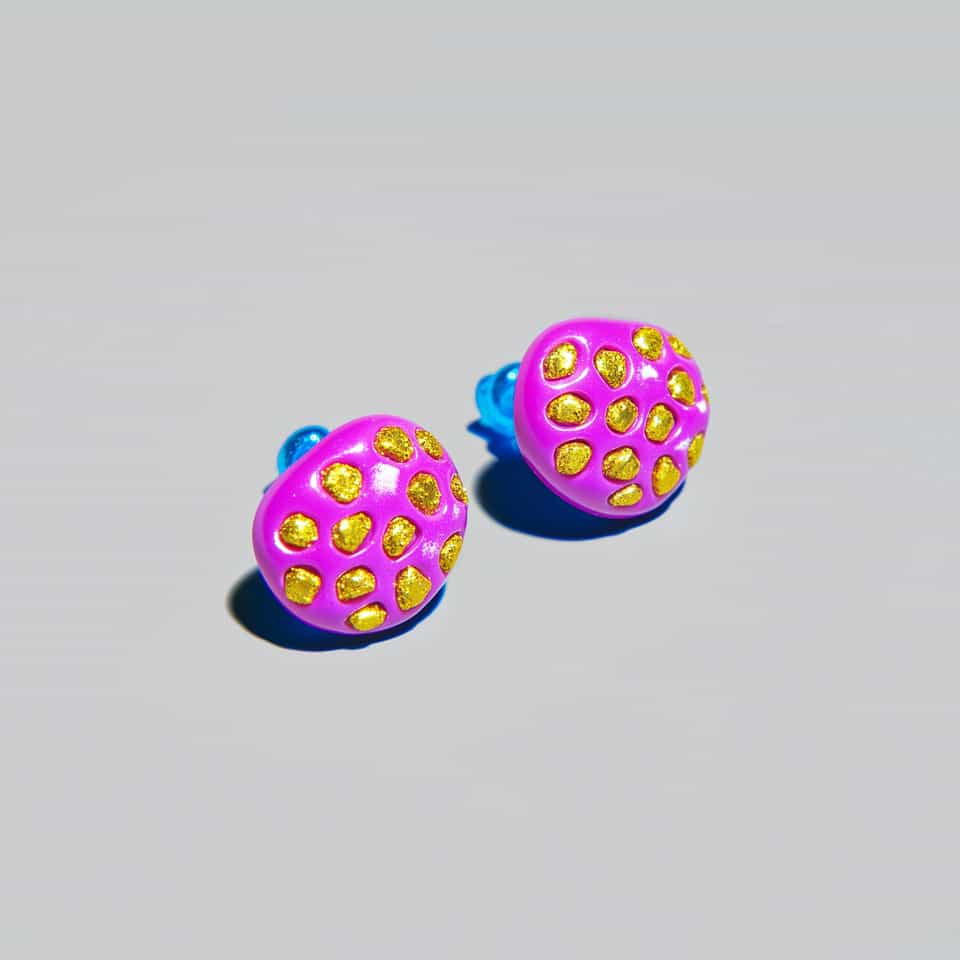
Sculpey publishes an earring workflow, so its oven-bake clay is one documented material to consider for earrings. Bake and cool a representative sample by the package before a batch.
For air-dry earrings or pieces with thin edges and drilled holes, read the product's intended uses and minimum-thickness guidance before planning the shape. Make a spare piece at the intended size to check how the edges and holes survive handling.
Keep Water And Sealer Claims Narrow
Baked Sculpey is documented as water-resistant and durable without glaze. That supports leaving a Sculpey piece unsealed when its cured surface already has the intended appearance.
Check the moisture limits of the hardware, paint and adhesive as well as the clay. For an air-dry piece, follow that product's directions for drying, sealer and exposure to water.
Check Paint And Color On Each Product
Sculpey supplies colored polymer-clay lines and publishes acrylic-paint guidance. Follow the exact clay, paint, and finish instructions for the surface stack.
For air-dry clay, read the product's colour range, paint compatibility, drying-before-painting directions and sealer guidance. Choose a paint and finish whose labels support the dried clay surface.
Check Detail And Thickness At Product Level
Choose a polymer clay line whose maker documents the intended technique or detail level, then use a small package-directed sample.
For air-dry clay, obtain the maker's shrinkage, thickness, detail and support guidance before planning the form. Use those measurements when a lid, hole or fitted part needs to match another piece.
Compare The Real Setup
Polymer clay needs an oven that can hold the package temperature and an oven thermometer in the baking area. The maker's kit field note covers the ten tools and supplies used to prepare and shape the clay; the oven setup still sits beside that list.
For air-dry clay, use the package to list the required work surface, tools, dry conditions, and finish. Compare current local costs only after both exact product setups are known.
Read Every Safety Label
Read each package for age guidance, ventilation, intended uses and adult-supervision instructions. Keep small clay pieces and jewellery findings away from children, and have an adult handle oven baking.
For polymer clay, an adult should supervise the oven step. Follow the clay and appliance instructions and keep small finished pieces away from anyone who may mouth or swallow them.
Write Down The Intended Use
Record the object's intended use, size, thickness, handling, finish, and available cure setup, then compare those requirements with the two exact product documents. This is a project-selection worksheet, not a durability, safety, moisture, or wearability claim for either category.
Do Not Assume A Hybrid Workflow
Before combining polymer clay and air-dry clay, read both products' curing directions and the adhesive's supported surfaces. Cure or dry each part as its maker directs, and try the intended join on spare pieces before assembling the finished object.
For a first polymer-clay session, use the getting started guide. For brand-specific choices, use the brand comparison and verify every current package.
More guides in this path
Open these when the next decision is material choice, attachment, or finishing.
Polymer Clay for Beginners: Clay, Tools, and a First Test Piece
Choose one clay line, use three basic tools, and make a small package-directed test piece before adding more supplies.

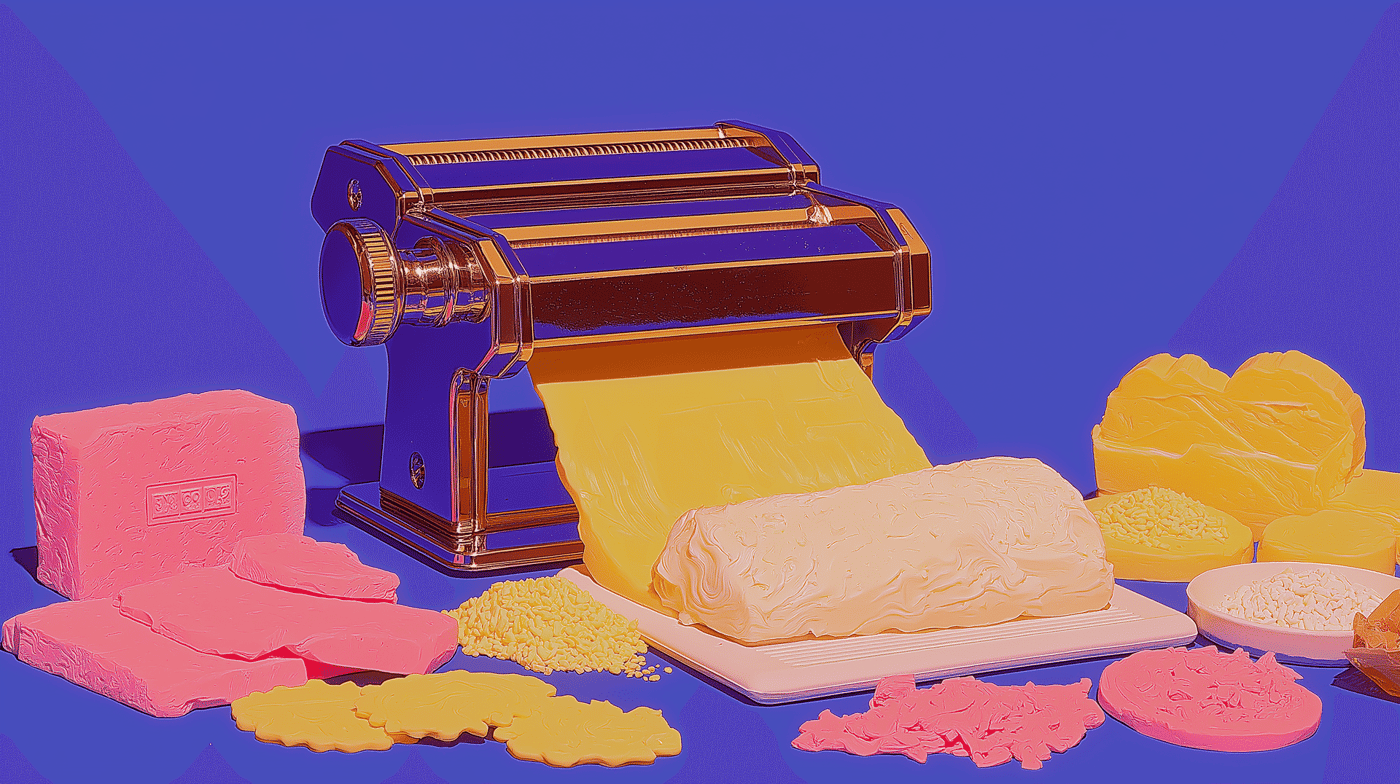
What’s in my polymer clay kit? 10 things I’d buy first
The ten things I would replace first, from the pasta machine that saves my hands to the small tools, work surfaces, cutters, and clay I would choose again.
Premo vs Soufflé vs FIMO: which polymer clay to buy for cutter and layered pieces
Buy Sculpey Premo first for cutter and layered pieces, Soufflé when the pair must stay light, and FIMO Professional when a design cuts many small pieces from one slab.
Finished examples with related clay decisions
Each piece shows how a material, attachment, or surface choice changes the final form.