Tools
+3

Best Polymer Clay Cutters: Top 10 for Clean Repeatable Shapes (2026)

A practical 2026 cutter guide built around shape families, cleaner release, merchant-fit checks, and maintenance habits that are easier to verify than hype specs.

Updated
12 min read
Best Polymer Clay Cutters: Top 10 for Clean Repeatable Shapes (2026)

Start here

What to choose and check first

Quick answer

A sharp starter set in a few core shapes is more useful than a large novelty bundle on your first cutter order.

Before you choose
  1. 1Look for a thin cutting edge, stable walls, and labeled sizes. There is no single magic spec; those three together are what makes a set repeatable
  2. 2Start with a few repeatable shapes (circles, arches, pebbles) before chasing novelty forms or themed packs
  3. 3Compare printed and metal cutters side by side on edge feel, wall stability, and the size range you actually use
  4. 4Keep printed cutters out of the oven and direct sun. Clean them with warm (not hot) water so the resin does not warp
  5. 5Dust with a thin layer of cornstarch when clay sticks. Test any stronger release aid on a scrap before using it on a real piece
What to check before choosing

The ordering favors cutters that stay clean in use: sharp release, wall support, repeatable sizing, and shape families you will reach for often before novelty outlines.

Supplies to compare

Dedicated clay cutters can make repeat shapes easier, but the best first buy is still the set that gives you cleaner release and usable sizes without turning every cut into edge cleanup.

Treat this "top 10" as a comparison list of common shape families, not a lab-certified ranking. The useful questions are edge feel, wall stability, size range, and whether the listing names the material and wall thickness so you can match it to the slab you actually cut.


How to Choose Clay Cutters: A Buyer's Guide

Look for a thin cutting edge, stable walls, clear size labeling, and a shape that releases clay cleanly at your usual slab thickness.

Before you add 47 cutters to your cart, the things that actually matter are edge feel, wall stability, size range, and whether the listing tells you enough about the printing or material to judge fit.

Many current polymer clay cutter listings on Amazon are 3D printed, often PLA-based, while others use resin or thin metal. The useful comparison is not one universal winner. It is whether the cutter stays stable under hand pressure, whether the edge feels clean at your usual slab thickness, and whether the listing clearly shows size, wall support, and care details. Heat-sensitive printed cutters also need gentler storage and cleaning than metal ones.

What Makes a "Good" Cutter?

  • Thin cutting edge: Thin edges usually need less pressure and can leave less cleanup than thick novelty cutters.
  • Stable top and walls: Look for support that keeps the shape from flexing or twisting when you press.
  • Clear size and depth info: Useful listings tell you the finished dimensions and show the edge profile, not just a styled product photo.
  • Clean release: Slight taper or well-finished walls can help clay release more cleanly, but slab thickness and clay softness still matter.

Cutter Materials: PLA vs. Resin vs. Metal

Material Pros Cons Best For
PLA+ (3D Printed) Wide shape variety, lightweight, often easier to replace Heat-sensitive, and edge quality varies with the print Common starter shapes and custom silhouettes
Resin (3D Printed) Can hold finer detail than many softer printed cutters More brittle and easier to chip or crack Intricate shapes once you know the exact outline you want
Metal Often very thin cutting edges and predictable basic shapes Fewer shape options, and some metals can bend or rust if neglected Repeat basic shapes and frequent use

Our recommendation: start by comparing one simple metal set against one well-documented 3D-printed set only if you already know the shape family you want. For most beginners, circles, arches, and organic pebble shapes cover more early practice than novelty silhouettes.

Choosing Cutters Based on Your Style

  • Minimalist makers: Buy organic shapes (pebbles, arches, ovals) in multiple sizes. Five versatile cutters beat fifty novelty shapes.
  • Maximalist or statement makers: Go for bold geometrics, hollow shapes, and embossers. Variety is the point.
  • Nature or organic style: Botanical embossers, leaf shapes, and organic pebbles. Look for texture-adding cutters.
  • Trendy or Y2K style: Squiggles, wavy shapes, and retro geometrics. These styles change fast, so do not overbuy.

10 Common Cutter Types to Compare

Common shape families worth comparing include organic pebbles, micro-cutter slabs, modern arches, botanical embossers, squiggles, hollow frames, ruffled circles, geometrics, snake cutters, and custom logos.

These are shape families showing up often in current polymer clay listings and maker feeds. Use them as prompts for comparison, not as a shopping checklist you have to finish all at once.

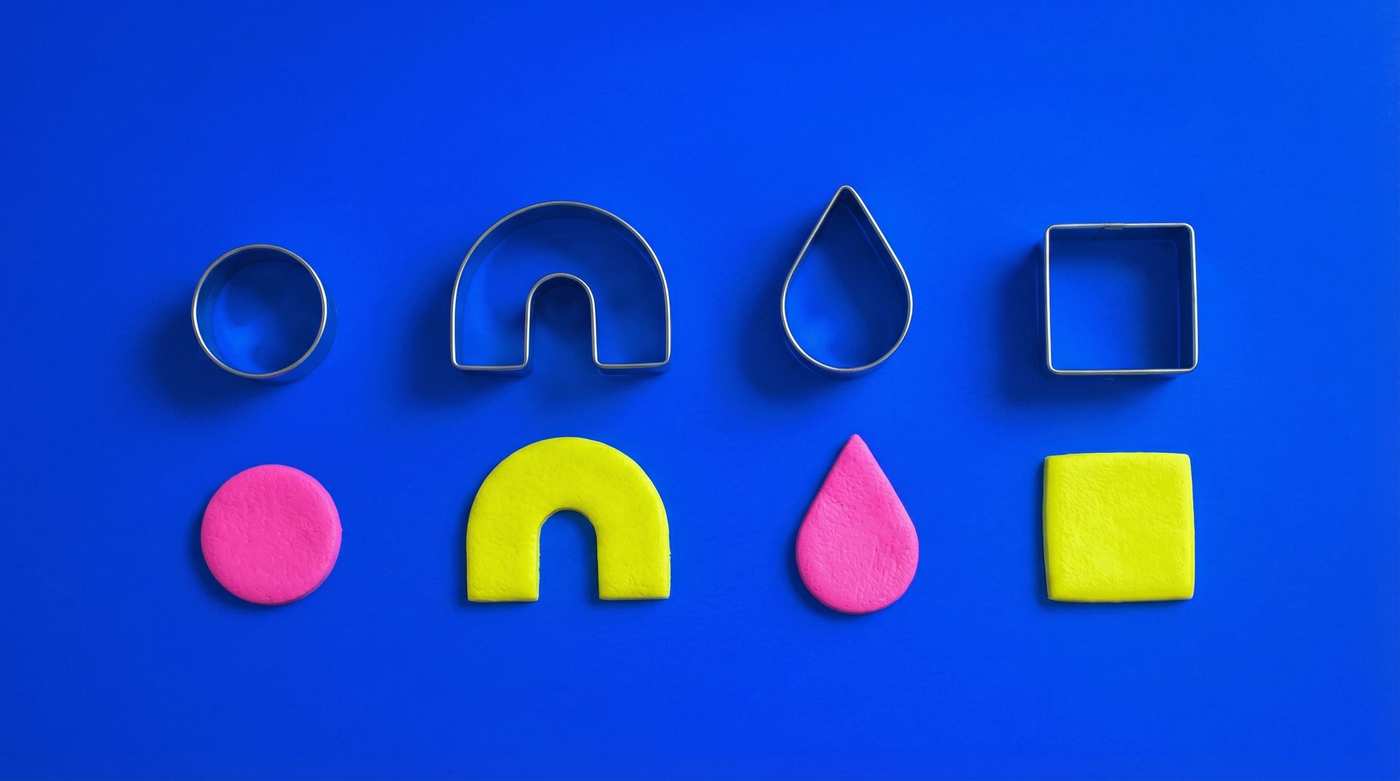
Circles in multiple sizes, modern arches, and organic pebble shapes are a practical starting comparison set for many earring makers. A focused starter cart on Amazon in those three families can cover a lot of first combinations through size changes, layering, and finish choices. Buying the same shape in a few graduated sizes is often more useful than buying many novelty outlines at once.

1. The Organic Pebble Set

Irregular circles and ovals are a common comparison point for minimalist and stone-effect earrings. They can read intentional when the edge stays clean and the size range is usable.

Best for: Minimalist style, beginners, everyday earrings

2. The Micro-Cutter Slab

A grid of tiny shapes all in one cutter. Useful when you want repeated chips or small inserts from one setup instead of hand-cutting every small piece.

Best for: Terrazzo technique, confetti effects, statement pieces

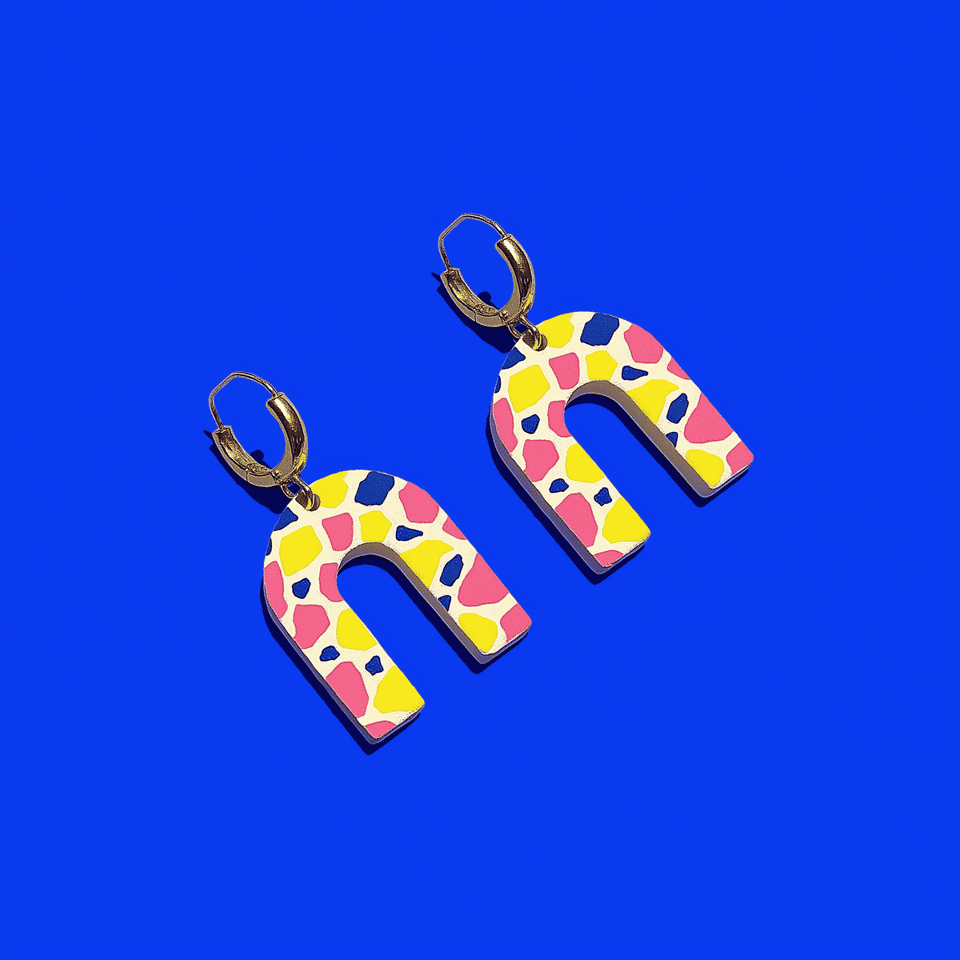
3. The Modern Arch

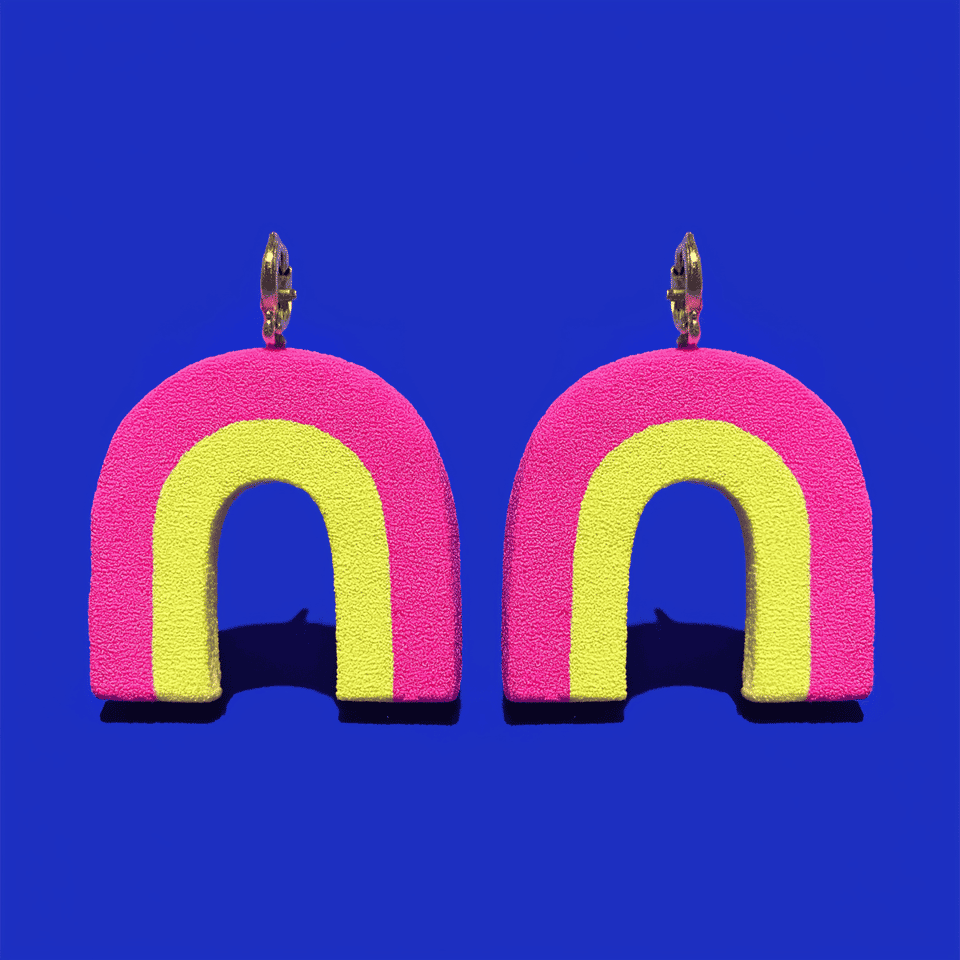
An elongated arch is one of the more repeatable shape families for studs, dangles, and layered earrings. It is a practical baseline when you want to test proportion and size shifts without changing the overall silhouette.

Best for: Makers who want a flexible arch baseline

4. Botanical Embossers

Cutters that also stamp a flower or leaf pattern inside the shape. Useful when you want built-in texture from one press instead of a separate texture slab or carving step.

Best for: Botanical style, time-saving production

5. The "Squiggle" or "Wiggle"

A curving retro outline that is awkward to hand-cut consistently. A dedicated cutter can help if you already know you want a Y2K-leaning or Memphis-style shape family.

Best for: Trendy collections, bold statement pieces

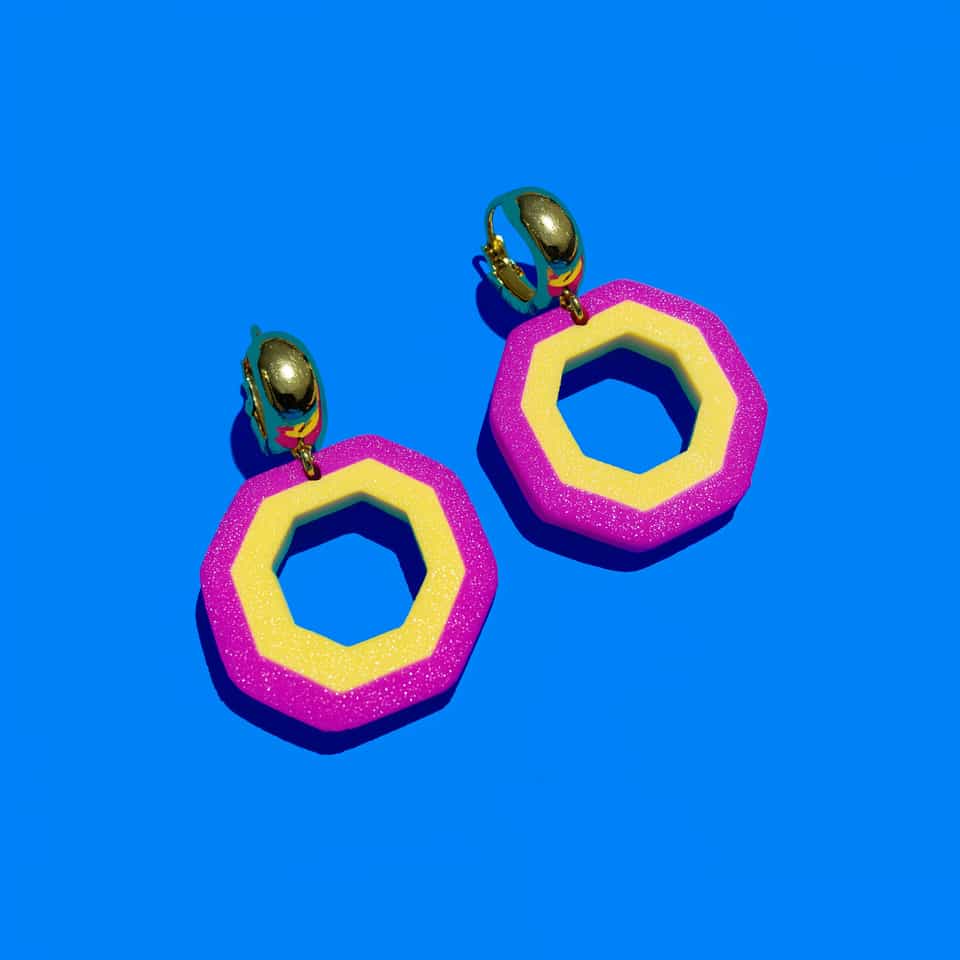
6. Hollow Shapes (Frame Cutters)

Cutters that cut the outline and center opening in one press. They can reduce alignment errors when you want donut shapes, open frames, or hoop-like blanks.

Best for: Production efficiency, hoop earrings, layered designs

7. The Ruffled Circle

A softer scalloped edge that changes a plain round blank without adding a second component. It is useful when you want a floral or frilled edge with a simple build.

Best for: Bridal, feminine styles, upgraded basics

8. Statement Geometrics

Sharp, angular trapezoids and hexagons. Great for color-blocking techniques where you combine multiple geometric pieces in contrasting colors.

Best for: Modern/minimalist, color-blocking, architectural styles

9. The "Snake" Cutter

A winding S-shape that can create more movement in long dangles or linked builds. It is easier to compare as a cutter than to hand-cut repeatedly.

Best for: Statement dangles, movement-focused designs

10. Custom Logo Cutter

Okay, this one is specific to you. If you want a branded stamp, start by checking customizable logo stamp options on Amazon. Compare proof images, stamp dimensions, and review photos closely so the mark lands cleanly on the back of every piece. It can be worth testing once the rest of your line is already repeatable.

Best for: Established sellers building brand identity


Best Cutters for Beginners

Start with five cutters: circles in three sizes, a modern arch, organic pebbles, one embosser, and one fun shape.

If you are just starting, do not over-buy. The starter pack below is what most beginners actually need before they expand the cutter drawer.

The Essential 5-Cutter Starter Kit

  1. 1. Circle set in three sizes: the foundation of most jewelry shapes
  2. 2. Modern arch: versatile for studs and dangles
  3. 3. Organic pebble set: forgiving shapes that hide minor imperfections
  4. 4. One embosser: adds texture without a separate tool
  5. 5. One "fun" shape: whatever speaks to your style

This is enough to practice proportion, pairing, and cleaner cuts before you expand.

Common Beginner Mistakes to Avoid

  • Buying too many shapes at once: Start with 5-10, master them, then expand.
  • Ignoring size variety: The same shape in 3 sizes offers more design options than 10 different shapes.
  • Buying thick-edged novelty mega-packs: They look like a bargain, but blunt edges and warped walls create messy cuts. Check edge thickness, taper, and wall rigidity before you buy.
  • Trendy shapes only: Squiggles are fun, but they won't be in style forever. Build a foundation of classics first.

Cutter Maintenance: Make Them Last

Clean residue off after sessions, use warm not hot water on many 3D-printed cutters, dust lightly when clay sticks, and keep heat-sensitive cutters away from ovens and parked-car heat.

How long a cutter lasts depends on the material, print quality, wall support, storage, and how much twisting force it sees. A cutter that still sits flat and cuts cleanly can stay in rotation for a long time, but treat big longevity claims in product listings as estimates rather than guarantees.

Printed polymer clay cutters need gentler care than many metal ones. Clean them with warm, not hot, soapy water when residue builds up, keep them away from sustained heat, and replace them when the edge starts leaving more cleanup than it is worth. Signs of wear include rough-feeling cuts, visible edge damage, and a shape outline that no longer stays true.

Cleaning Your Cutters

  • After each session: Wipe with a dry cloth or paper towel to remove clay residue.
  • Deep clean (when buildup shows up): Soak briefly in warm (not hot) soapy water, then gently scrub with a soft toothbrush. Dry completely before storing.
  • Never use: Hot water, a dishwasher, or any cleaner the cutter material cannot tolerate.

Preventing Sticking

  • Cornstarch: Dust your cutter lightly with cornstarch before each use. Shake off excess.
  • Release aids beyond cornstarch: If cornstarch is not enough, test a very light compatible release aid on scrap first rather than spraying heavily.
  • Cool clay: If clay is too warm and sticky, refrigerate for 10 minutes before cutting.

Storage Tips

  • Away from heat: Don't store near windows, heaters, ovens, or in parked cars. Many printed cutters can soften or warp with too much heat.
  • Organized: Keep similar shapes together. Small tackle boxes or bead organizers work great.
  • Flat: Do not stack heavy items on top of cutters. Prolonged pressure can warp delicate shapes.

Common Listing Tiers

Entry-level listings often use thicker edges and lighter wall support, reinforced listings usually improve edge control, specialty listings focus on embossing or detail, and custom listings depend heavily on proof quality.

Here is one practical way to compare them:

Tier What You Get Recommendation
Entry-Level Basic shapes, thicker edges, lighter support Compare only if the shape family matters more than edge refinement
Reinforced Cleaner edge profile, better wall support, clearer sizing A practical comparison point for repeat use
Specialty More detailed shapes, embossers, or thinner-edge builds Useful once you know the exact shapes you reach for
Custom Your logo or unique design, made to order Worth testing only after proof images and dimensions are locked

Maker note: Sets usually give you more usable size variation per order than buying singles one by one.


Maker note: Start with a light dusting of cornstarch when clay sticks, and test any stronger release aid on scrap before using it across a full batch.

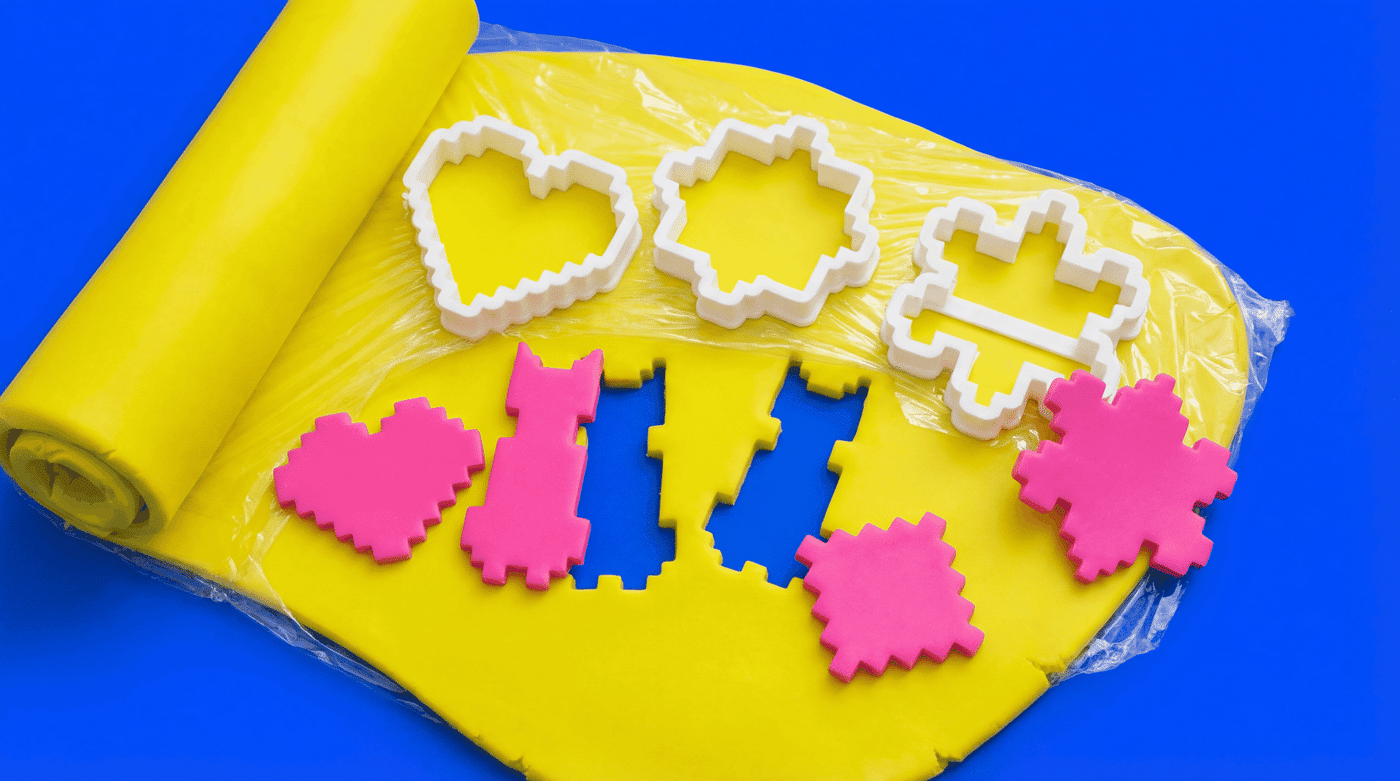
Once you know which shape families you reach for, the next reads in this cluster sharpen the rest of the cut: best clay cutters for beginners walks through a smaller starter shortlist with explicit pros and cons, the cling-wrap method is the most common fix when novelty cutters keep dragging the edge, and cutout arch and hoop earrings show how clean release plus a stable slab turns a basic cutter into a finished piece. For a target you can copy as practice, the negative-space hoops and nested cutout arch earrings both lean on repeatable cutter geometry rather than freehand cutting.

Made your version?

Made something from this article? Tag Clay Bake Studio on Instagram or TikTok so other makers can see the build choice.