Polymer Clay Bead Grid Tutorial: Cross-Stitch Pixel Patterns
A regular grid of small clay beads can look like cross-stitch when the bead size, spacing, and color placement stay disciplined. This guide covers bead rolling, grid jigs, and how to keep the inlay flat and aligned through cure.
Some links on this page are affiliate links. If you buy through them, we may earn a commission at no extra cost to you. As an Amazon Associate I earn from qualifying purchases. Disclosures

In brief
Key takeaways
- Sketch the grid pattern on graph paper at finished scale first. Bead diameter and grid count are one decision, not two
- Roll matched bead diameters using a bead roller or weighed pinches. One fat bead breaks the whole row visually
- Place a printed grid under a clear glass tile so row and column lines stay visible through the base slab while you set beads
- On one scrap grid, test a light acrylic-roller pass and inspect whether it seats the layers without distorting or marking the pattern; then follow the exact package bake on a documented flat surface
Article contentsOpenClose
Build one small corner of the bead grid before you commit to the full pattern. Record the clay, sizing method, base, and placement order so the cooled sample gives you a useful comparison.
A bead grid is one of five ways to build pixel art in clay; the polymer clay pixel art guide compares it with stacked colour layers, a stepped silhouette, square tiles and a pixel cane.
Start With A Readable Pattern
Draw or print the intended color grid at a scale you can follow. Make a small set of units with one recorded sizing method, then place only a corner of the pattern on a base sample from the intended clay line. The grid and placement order are design choices, not tool tolerances.
Seat The Layers Without A Fixed Pass Count
Use an acrylic roller only if light contact helps seat the layers. Stop before the repeated units flatten or sink unevenly. Roller pressure, bead size, base softness, rest time, and jig accuracy belong to this sample rather than a universal setting.
Cure The Sample Flat
Move the sample to a suitable flat surface such as ceramic tile or glass, follow the exact package time and temperature, and verify the baking area with an oven thermometer. Use a loose foil tent only when it fits the oven and clay directions.
Read The Result After Cooling
After cooling, compare the rows with the grid: look for uneven gaps, beads higher than their neighbours and loose pieces. Correct the spacing or bead size before repeating the design. If you use liquid polymer clay or a bakeable adhesive, follow its directions and check the attachment on a spare piece before making the full design.
Test Any Finish On The Same Stack
Apply the intended glaze or sealer to a hidden part of cured scrap made from the same clay and surface materials. Do not turn one successful corner sample into a claim about universal bead size, tool accuracy, or bond strength.
Use the pixel slab guide for assembled blocks or the staircase guide when the outer stepped silhouette matters more than a bead grid.
Supplies
Supplies mentioned here
Quick links to the materials and tools that fit this article. ClayBake tools stay on our own catalog.
Polymer clay pixel assembly grid
A pixel assembly grid under a glass tile gives you visible row and column lines for placing beads.
Bead roller or sphere maker
A bead roller helps produce matched bead diameters faster than rolling each one by hand.
Acrylic roller
A light final roll seats the bead grid evenly into the base slab without crushing the bead profile.
More guides in this path
Open these when the next decision is material choice, attachment, or finishing.
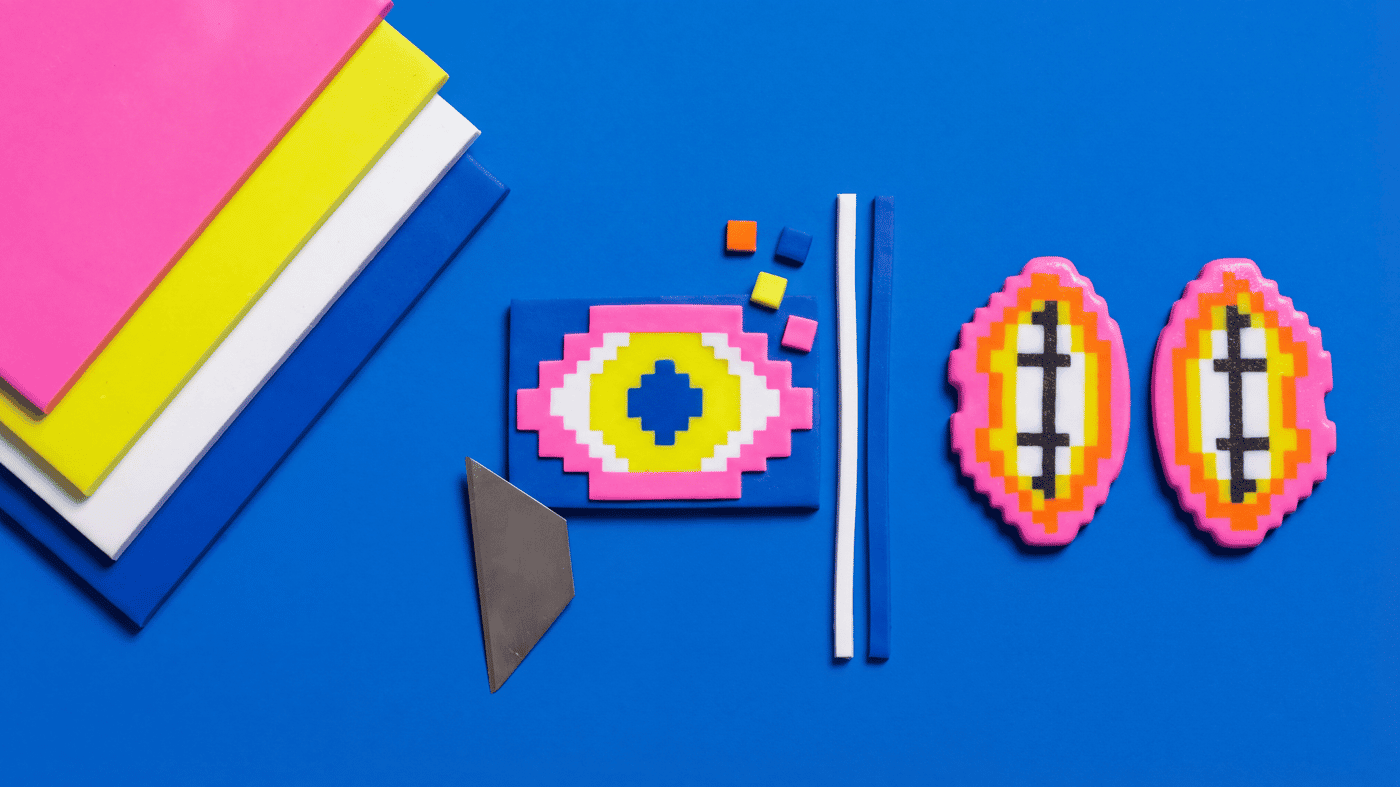
Layered pixel clay earrings: how to line up thin colour layers without stretching them
Your cutters shape each piece, but you place every colour layer by hand. Lift thin layers on a flat blade, line each one up before any pressure, then press the stack lightly through parchment.
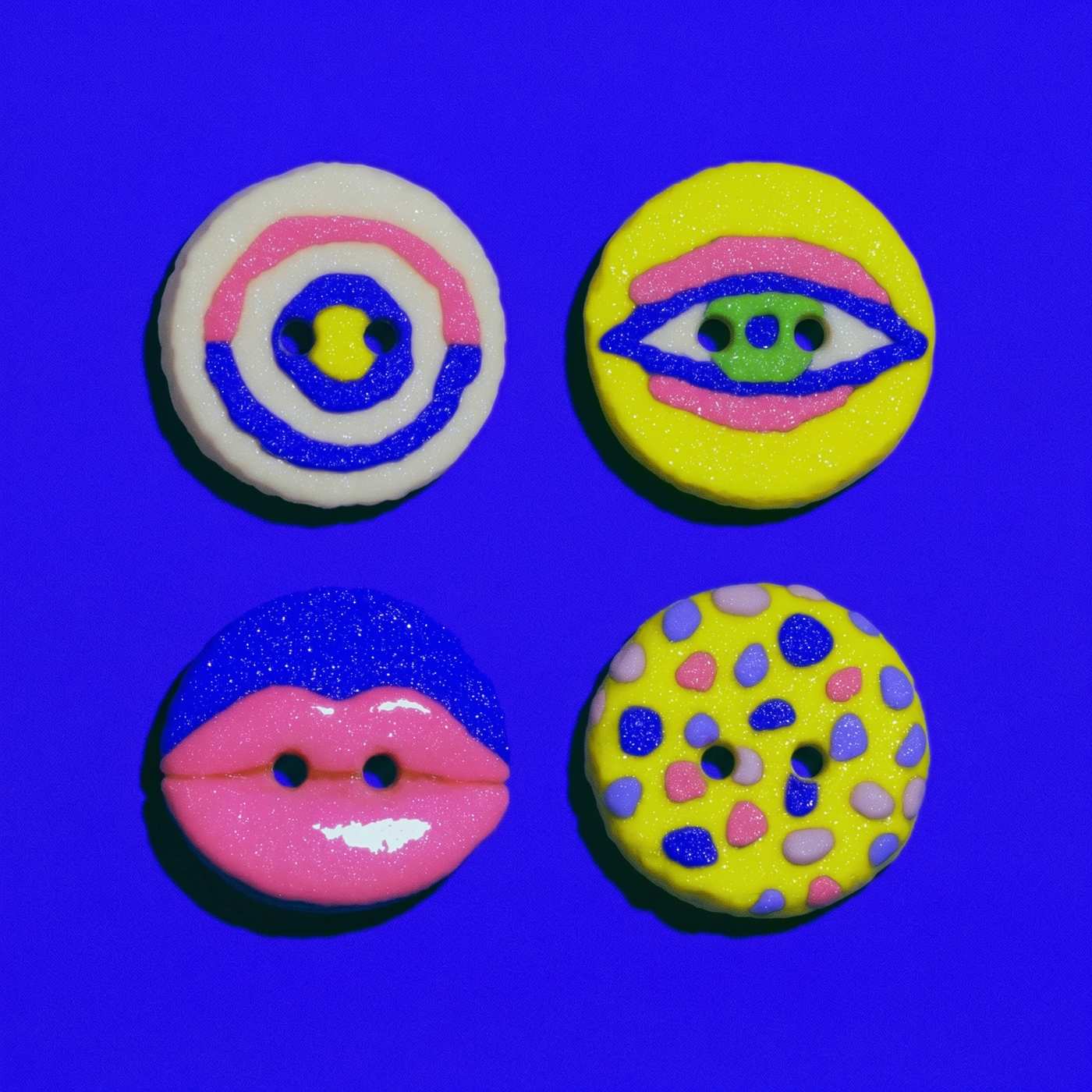
How to attach small polymer clay details so they stay on and keep a crisp edge
Stop small clay details popping off after baking or spreading as you press them. Decide on liquid clay before you start, then carry, place and tap each piece so it stays on with a crisp edge.
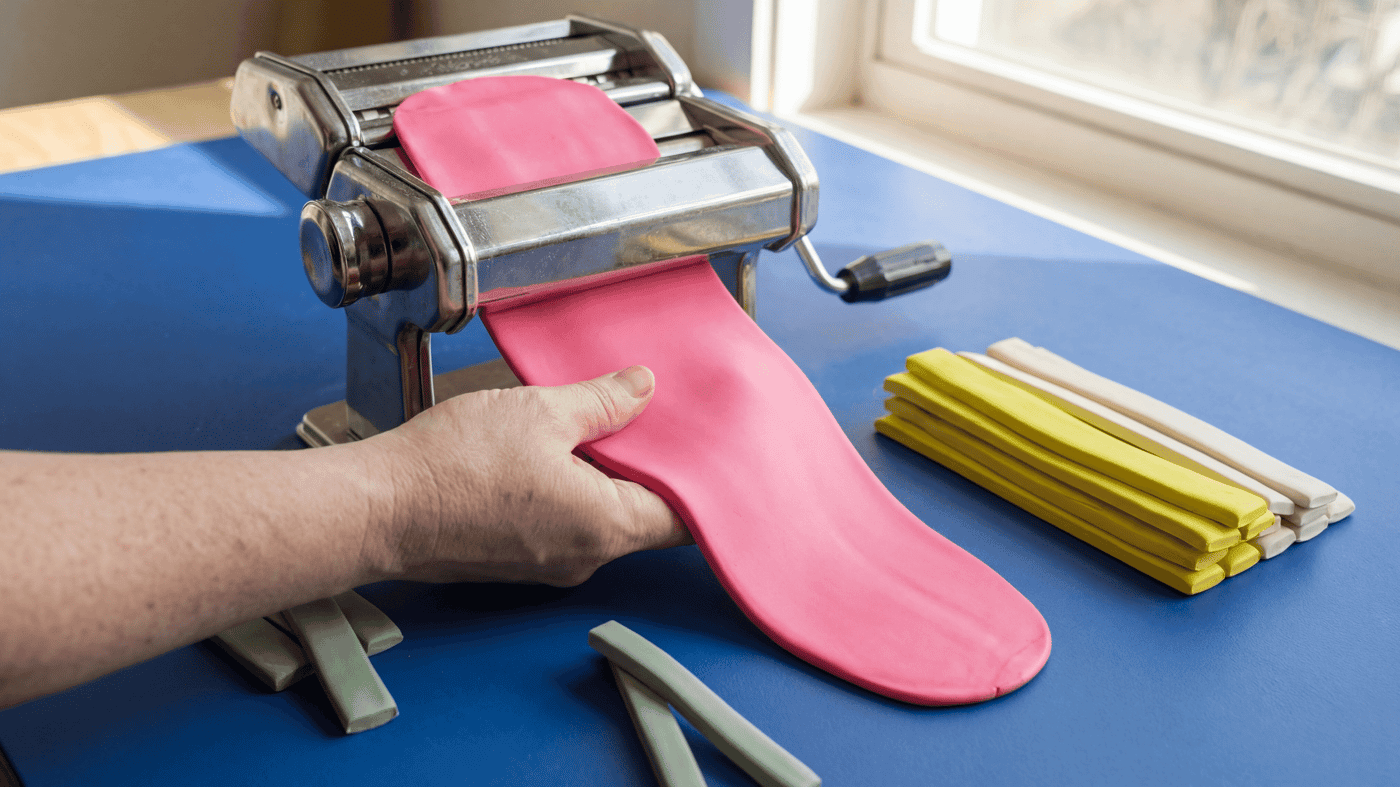
How to condition polymer clay and roll an even slab for cutters
Get every clay colour to the same softness, roll each layer to its measured thickness on a tile, and let warm clay firm up before you cut.
Finished examples with related clay decisions
Each piece shows how a material, attachment, or surface choice changes the final form.