Polymer Clay Relief Faces, Portrait Plaques, and Stud Toppers
Face plaques, cameo-style shapes, and portrait drops stay cleaner when the silhouette is solved first, the facial planes stay low relief, and the topper or brooch hardware is planned as part of the front design rather than as an afterthought.
Some links on this page are affiliate links. If you buy through them, we may earn a commission at no extra cost to you. As an Amazon Associate I earn from qualifying purchases. Disclosures

In brief
Key takeaways
- Cut the plaque silhouette first, then build hair, cheeks, lips, and other facial planes in thin low-relief passes on top
- Keep the back flat. A flat cured back gives the stud topper or brooch pin a broad, predictable assembly surface
- Treat any visible topper as part of the design language rather than trying to hide the whole connection
- Most face plaques read cleaner with satin or selective gloss than with a thick uniform top coat. Test any clay-compatible finish on a baked sample first
Article contentsOpenClose
Build a small relief face on a flat clay base. Place the larger forehead, cheek and nose shapes first, then add the smaller eyes and mouth. Keep the features shallow enough that you can press them into place without flattening the neighbouring details.
Choose One Exact Clay
Sculpey documents Premo as a fine-detail option. Start your portrait, plaque, or topper test with it, and judge feature crispness on the cooled sample before cutting the batch.
Record The Visual Sequence
Choose one base and one feature order for the sample. That order is the design plan for this project; write it down with the relief depth you pressed so the next face can repeat or adjust it.
Keep Hardware Separate
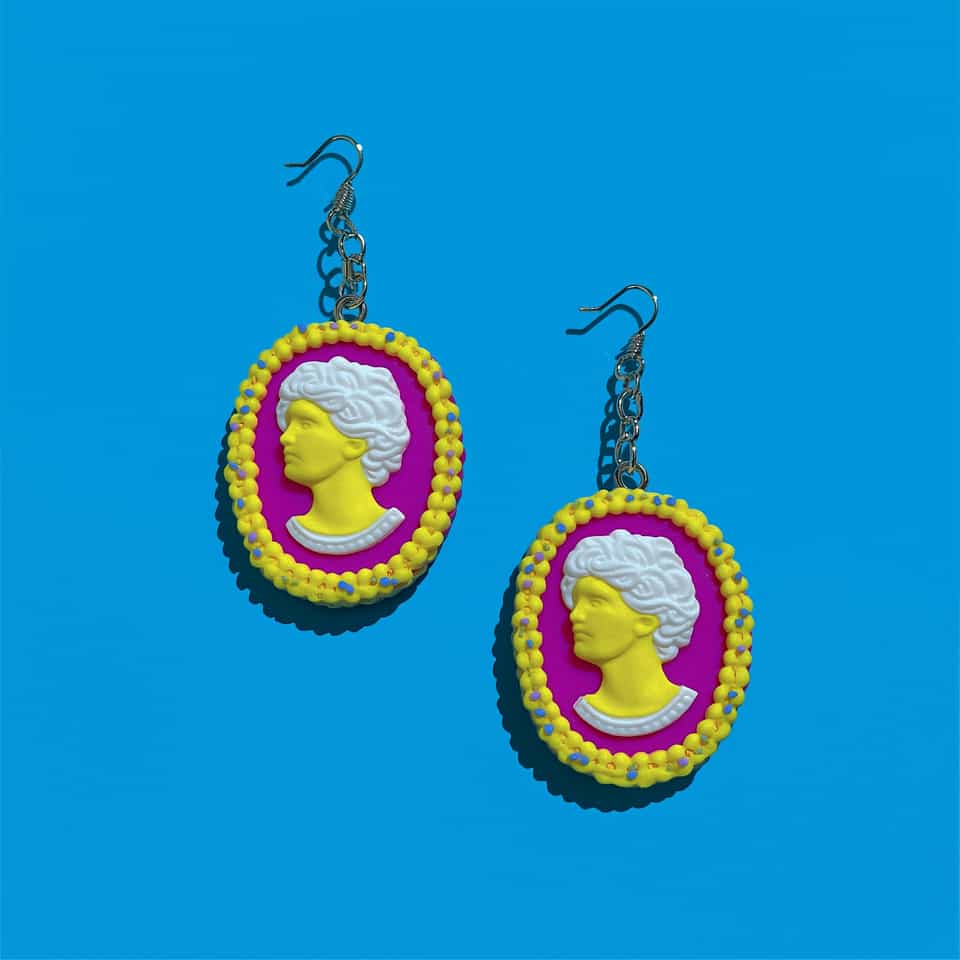
Measure the baked and cooled back before choosing a post pad. The whole pad should sit on a flat area. For a hanging face, dry-fit the ring and hold the piece by its hook to check that the face points forward; follow the adhesive label for preparation and full cure.
Bake And Compare
Follow the clay package with an oven thermometer in the baking area. Let the face cool, then compare the eyes, mouth and outline with your sketch. If the features overlap, leave more space between them on the next face.
If detail disappears while shaping the face, add the larger features before the small ones so later pressing does not flatten the eyes or mouth. If the baked face cracks, compare the oven thermometer reading and bake time with the clay wrapper before changing the design. Keep the sketch and dimensions of a face you want to repeat.
Supplies
Supplies mentioned here
Quick links to the materials and tools that fit this article. ClayBake tools stay on our own catalog.
Sculpey dual-end detail tools (flexible tips + ball ends)
Good for nudging cheeks, lips, and hair lines without flattening the plaque.
Round clay cutter set
Good when the visible topper or portrait medallion starts from a clean repeated circle or oval.
Flat-pad stud posts
For portrait studs, use these only when the baked and cooled topper has a flat back the pad can sit fully on. Check pad width, what the post and pad are made from, and finish.
Two-part epoxy for jewelry
Treat this as an unverified adhesive candidate. Use it only when the current product label covers the cured clay, exact hardware material, and any finish; follow that label for working time and full cure.
More guides in this path
Open these when the next decision is material choice, attachment, or finishing.
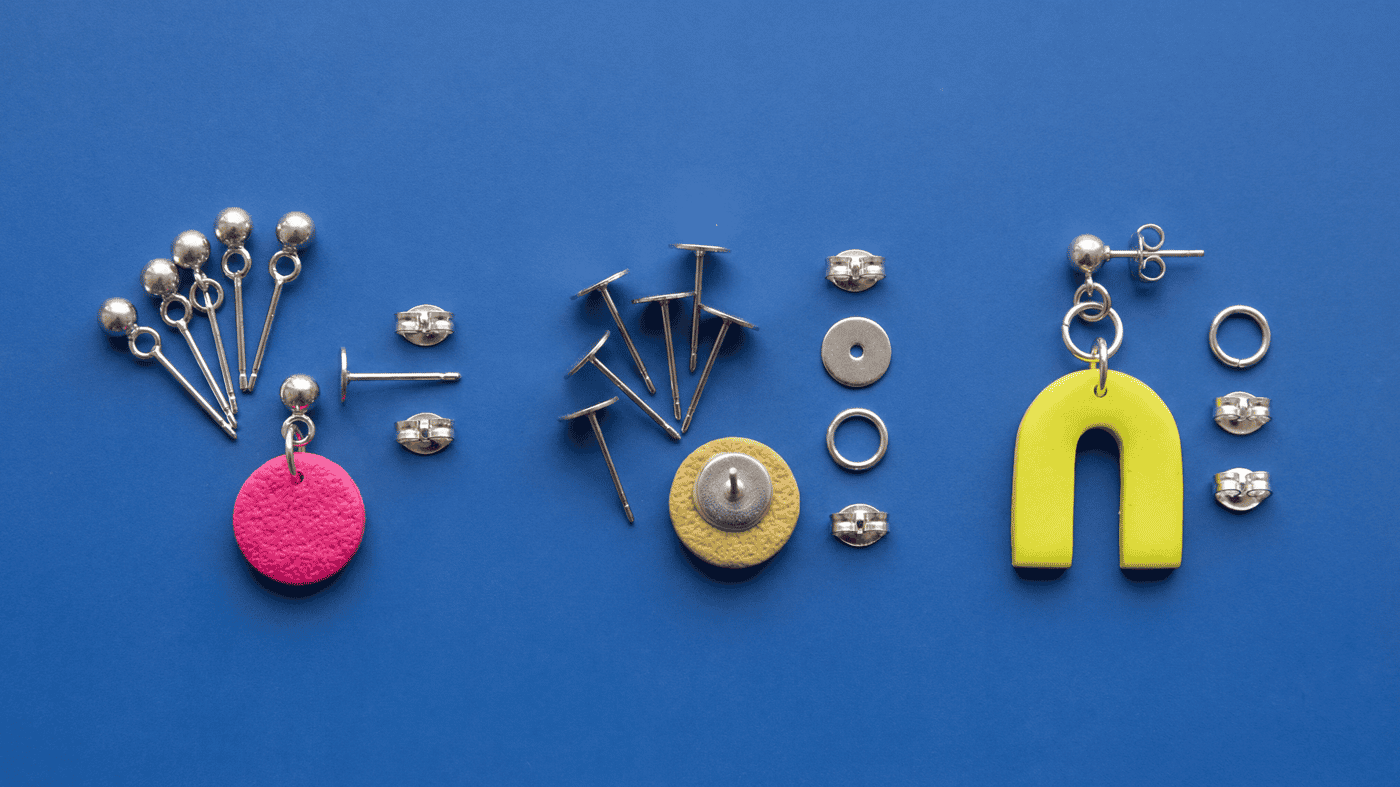
Polymer Clay Stud Toppers, Flat Pads, and Connector Rings
Choose the top connection from the front view first, then keep the attachment short and balanced. Compare visible loop-tops, flat pads, short ring paths, and balance-line marks on a sample before you make the final pair.
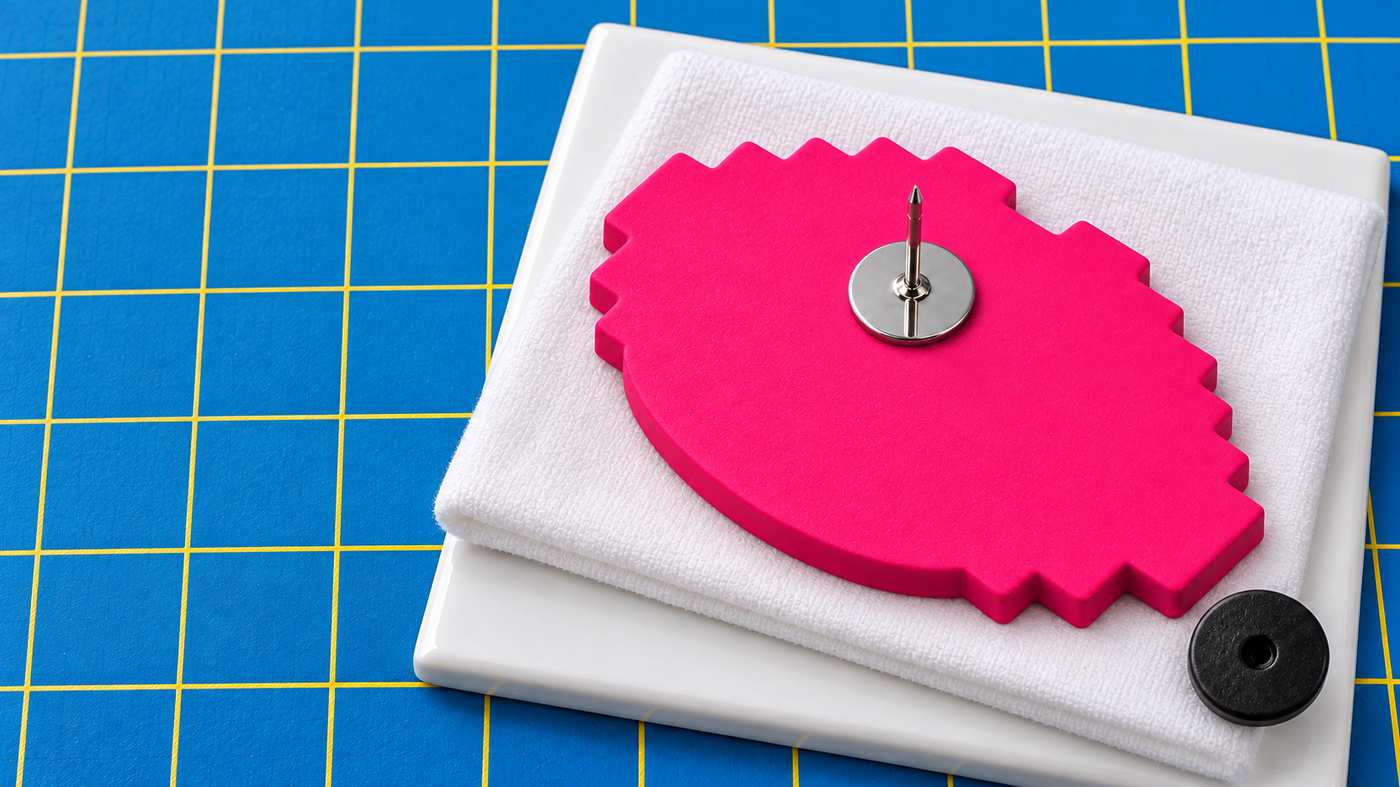
How to attach a brooch pin to polymer clay so it sits straight and stays on
A clay brooch that flops forward on a jacket, spins round, or loses its pin comes down to where the pin sits and how the pad is glued. The fabric check at the end shows if you got both right.
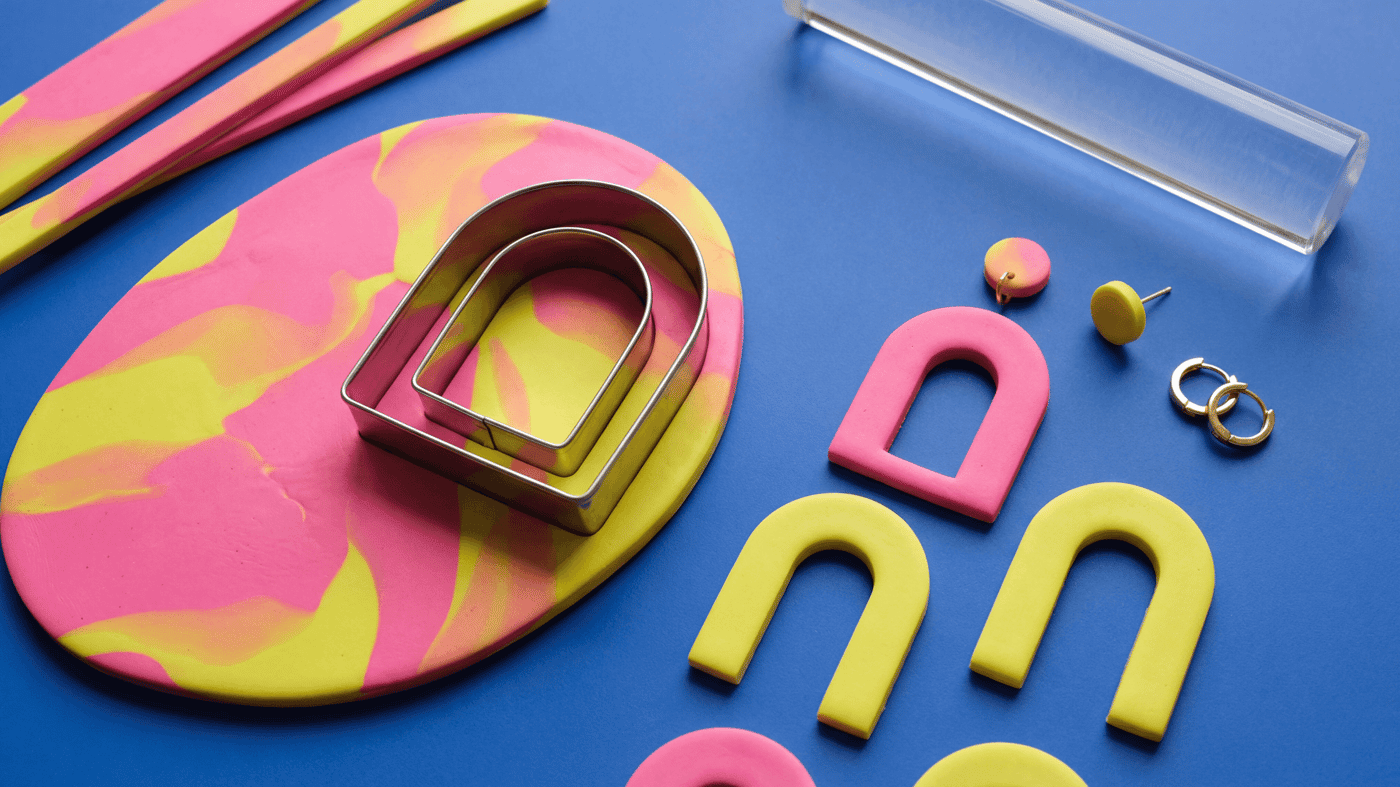
Polymer Clay Cutout Arch Earrings and Hoop Drops
Cutout arches and hoops work best when the wall width is even, the inner opening matches the outer curve, and the hardware choice is made from the finished front view.
Finished examples with related clay decisions
Each piece shows how a material, attachment, or surface choice changes the final form.