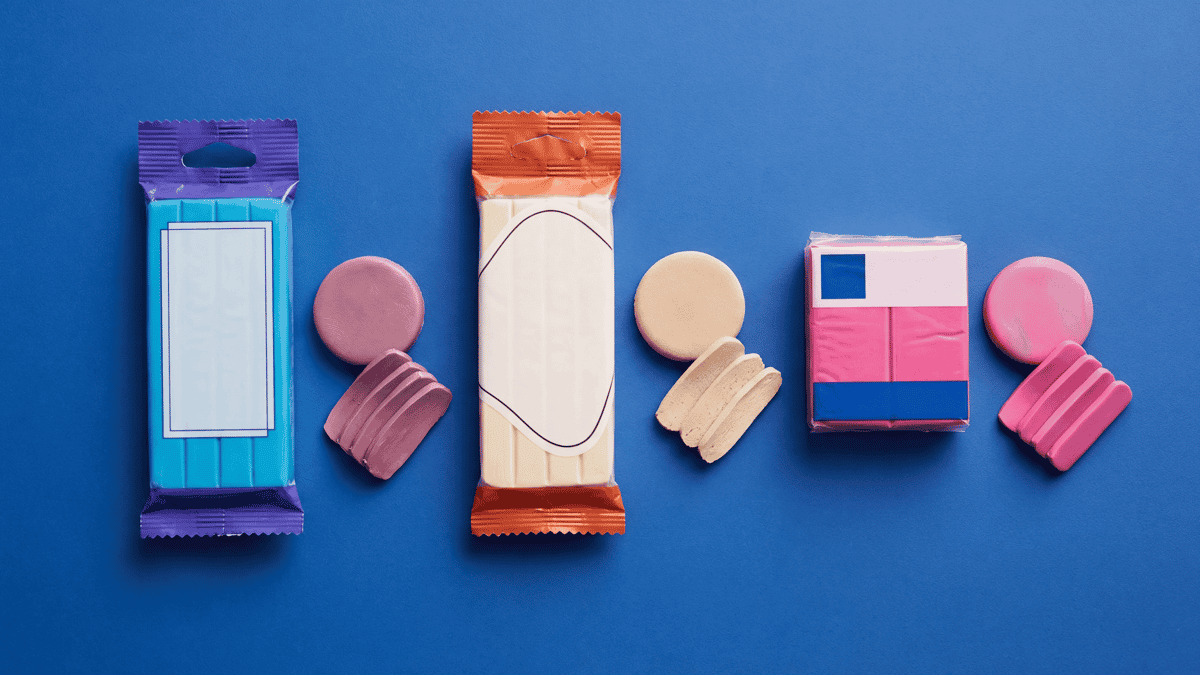
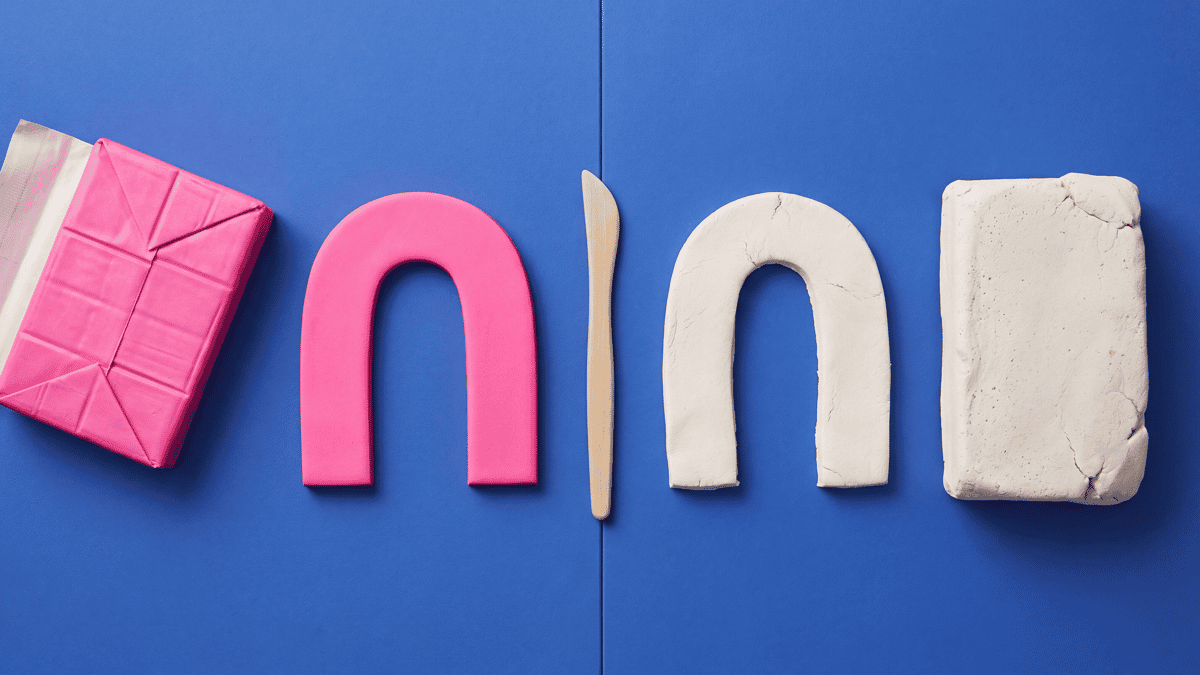
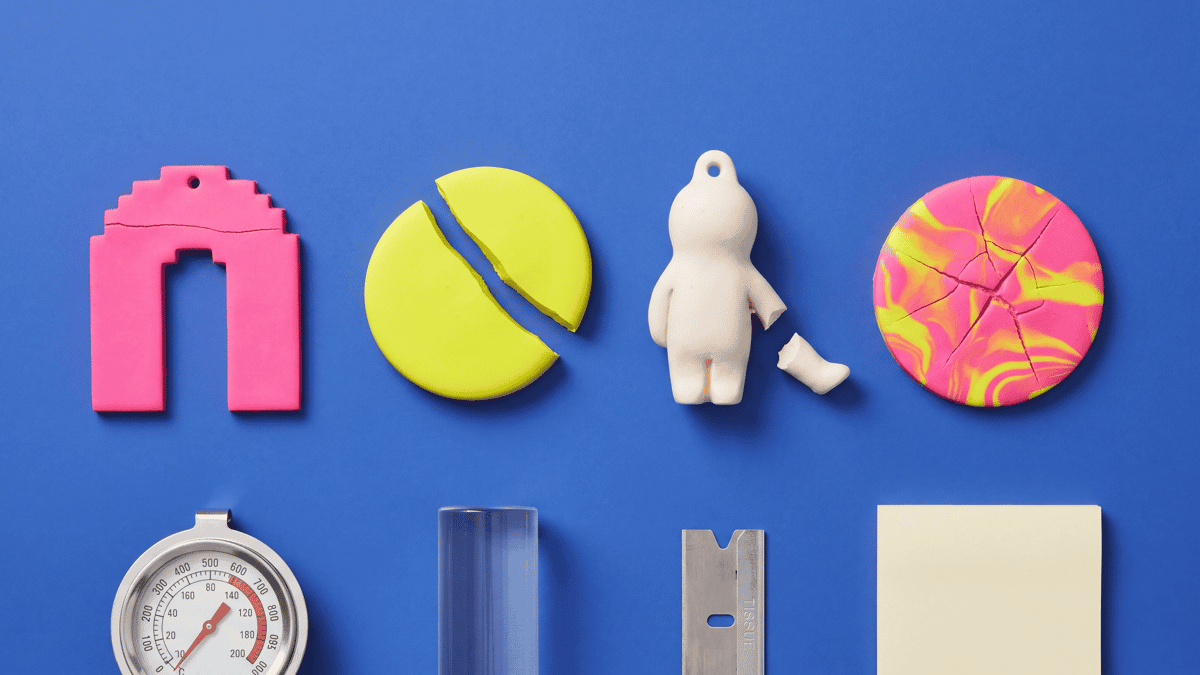
Compare clay brands for the pair you want to make, from detailed cane slices to larger drops. Follow each clay line's baking instructions and try unfamiliar clay on a small sample.
Pick by the job the pair has to do: flex and crisp edges for thin dangles, firm density for pixel grids, light matte bodies for big studs. Match one line to one design, then test it in your own oven before scaling.
Sculpey Premo: crisp detail and flex after curing
01
Premo is a common maker favorite for detail and flexibility after curing. It holds sharp cutter edges well and is often used for wearable samples. Check the current package instructions before baking your own batch.
Soufflé has a soft, suede-matte surface and bakes lighter than Premo, so it is a friendly pick when a big statement drop would otherwise feel heavy on the ear. Roll a test tile and weigh your finding choice before committing to a full pair.
FIMO Professional: firm and dense for crisp cane slices
03
FIMO Professional is dense and firm, which can help with detailed cane work and complex pixel patterns. It is the firmest of the three here, so condition it thoroughly before cutting fine cane slices.
Cernit is often chosen for translucent effects, smooth finishes, and thin details like flower petals or delicate drops. Check the current package instructions and test the clay thickness before baking a full pair.
Test unbranded craft clay before earring collections
05
Inexpensive, unbranded clay sets sold in bulk online can cure with a chalky, brittle texture that snaps easily under pressure. For earrings you plan to wear, start with professional jewelry brands and test any new line on a baked scrap first.
Once you know which clay line you want to test, the next decision is not more colors. It is the first pair's cutter, thickness guide, oven check, post pad, hook, or jump ring path.
JewelryPremo cures flexible, durable, and strong, which suits a thin jewelry section, so start your thin-wall tests there. Match the clay line to the piece you are making.Read Guide
TroubleshootingPieces breaking? Check bake time, thickness, and handling first. For thin jewelry sections, Premo cures flexible, durable, and strong.Read Guide
Color TheoryBake a small sample chip of any new mix before committing to a full project. Darkened areas on the test piece mean the oven is too hot.Read Guide
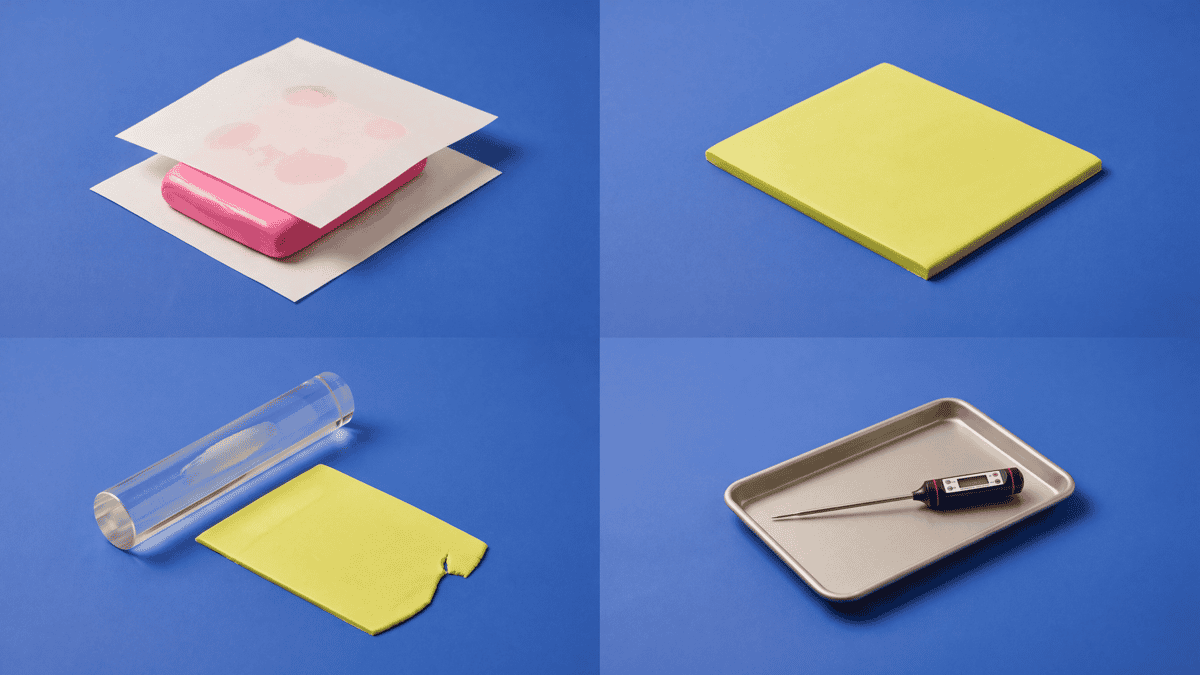
Clay PrepFor one overly soft clay test, Sculpey documents pressing a sheet between plain paper for about 30 minutes. Check the sample before deciding whether any additional leaching is needed.Read Guide
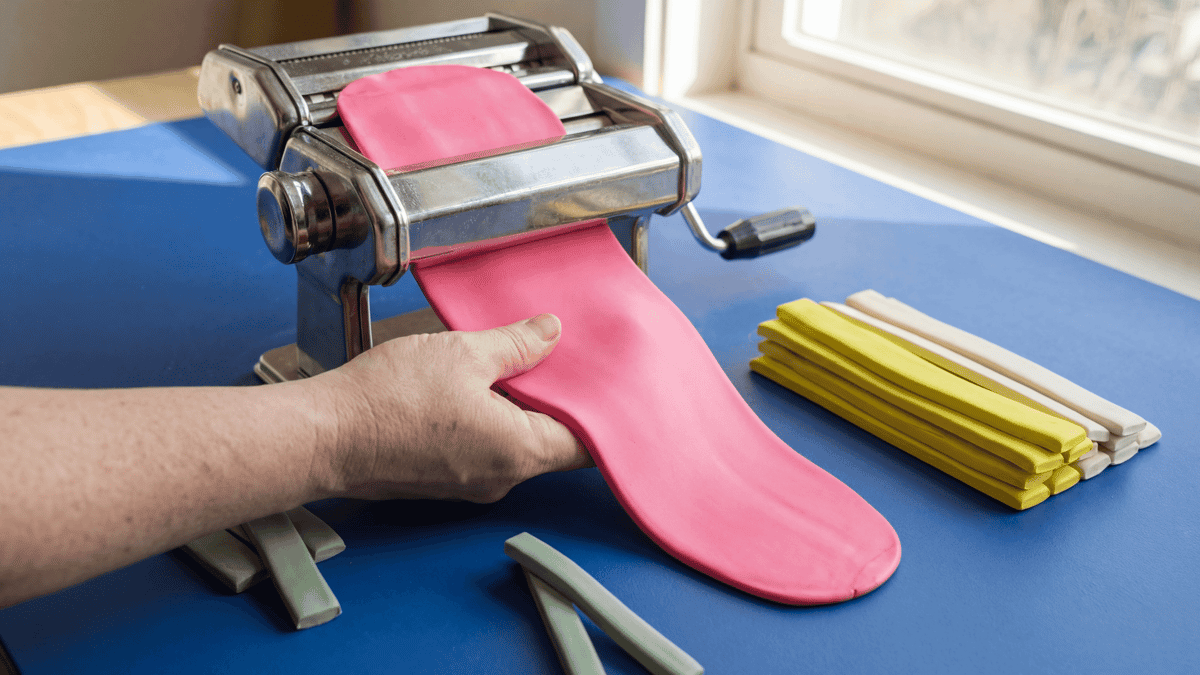
Clay PrepIf a slab snaps or feels short when you bend it, the clay is still under-conditioned. Keep kneading until a fold flexes without cracking.Read Guide
TroubleshootingFor hairline cracks, compare the oven thermometer reading and bake time with the clay wrapper first. Then look for uneven thickness or raised parts that need support before baking another piece.Read Guide
JewelryPremo cures flexible, durable, and strong, which suits a thin jewelry section, so start your thin-wall tests there. Match the clay line to the piece you are making.Read Guide
TroubleshootingPieces breaking? Check bake time, thickness, and handling first. For thin jewelry sections, Premo cures flexible, durable, and strong.Read Guide
Color TheoryBake a small sample chip of any new mix before committing to a full project. Darkened areas on the test piece mean the oven is too hot.Read Guide
Clay PrepFor one overly soft clay test, Sculpey documents pressing a sheet between plain paper for about 30 minutes. Check the sample before deciding whether any additional leaching is needed.Read Guide
Clay PrepIf a slab snaps or feels short when you bend it, the clay is still under-conditioned. Keep kneading until a fold flexes without cracking.Read Guide
TroubleshootingFor hairline cracks, compare the oven thermometer reading and bake time with the clay wrapper first. Then look for uneven thickness or raised parts that need support before baking another piece.Read Guide