Beginner
Beginner polymer clay tutorials for basic conditioning, rolling flat slabs, cutting shapes, and baking your first sample pieces.

Articles
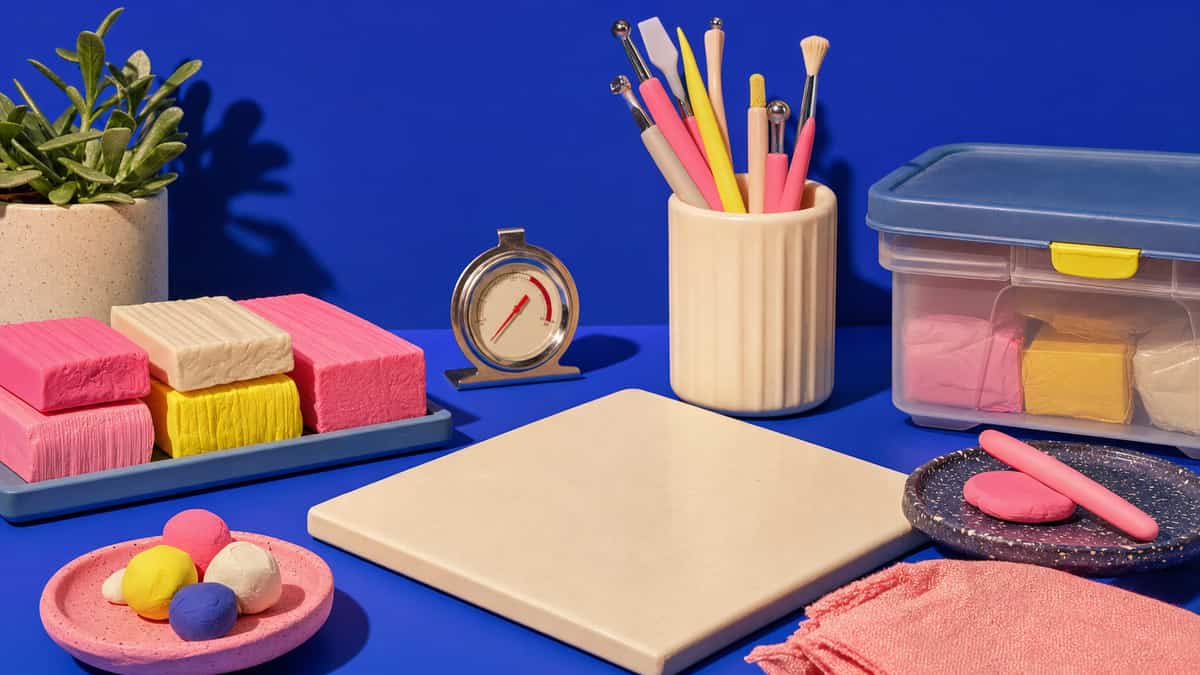
A polymer clay setup that packs away in one tray
Set up one active polymer clay project on a portable tray, move the supported work toward baking, and clear a shared table without rebuilding everything next time.
Read the guide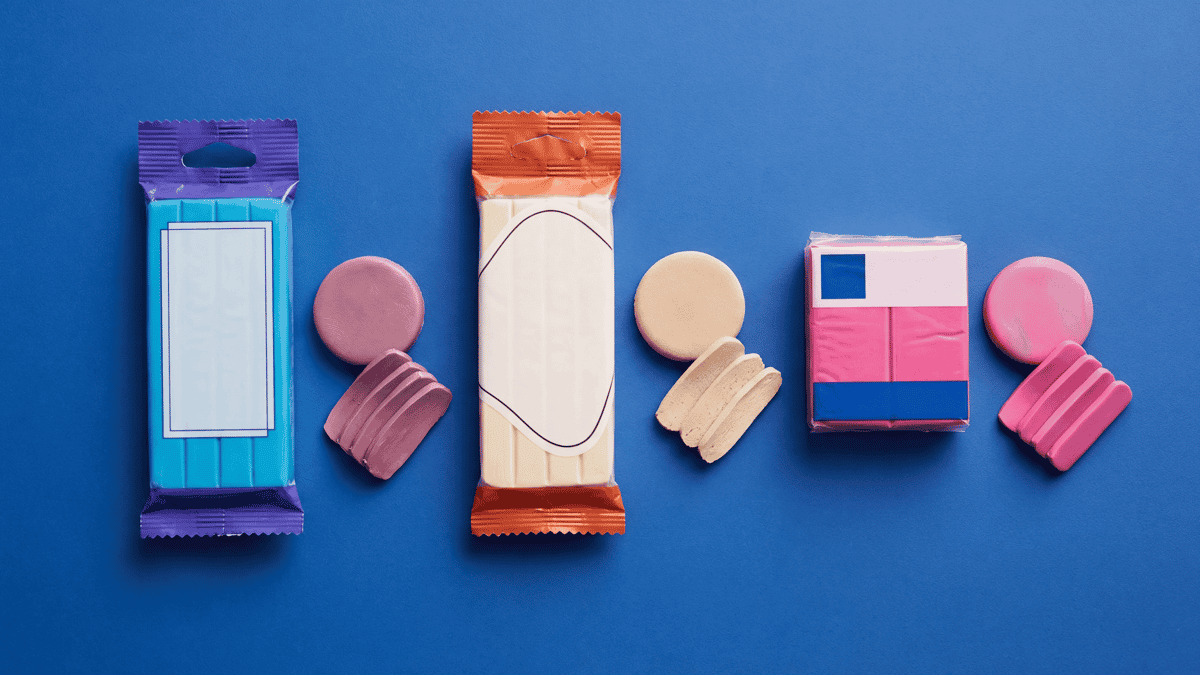
Premo vs Soufflé vs FIMO: which polymer clay to buy for cutter and layered pieces
Buy Sculpey Premo first for cutter and layered pieces, Soufflé when the pair must stay light, and FIMO Professional when a design cuts many small pieces from one slab.
Read the guide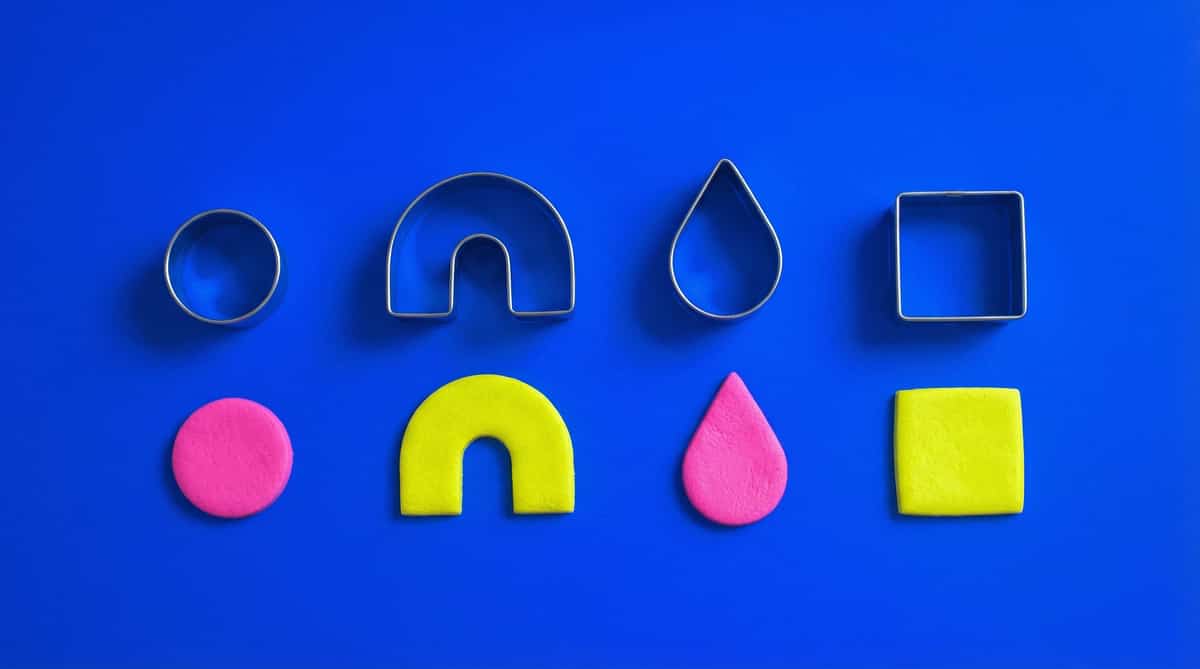
Best Polymer Clay Cutters for Beginners: Sharp Starter Shapes (2026)
Beginner clay cutters work best as a small repeatable starter set. Clean release and even slab thickness matter more than a long novelty list.
Read the guide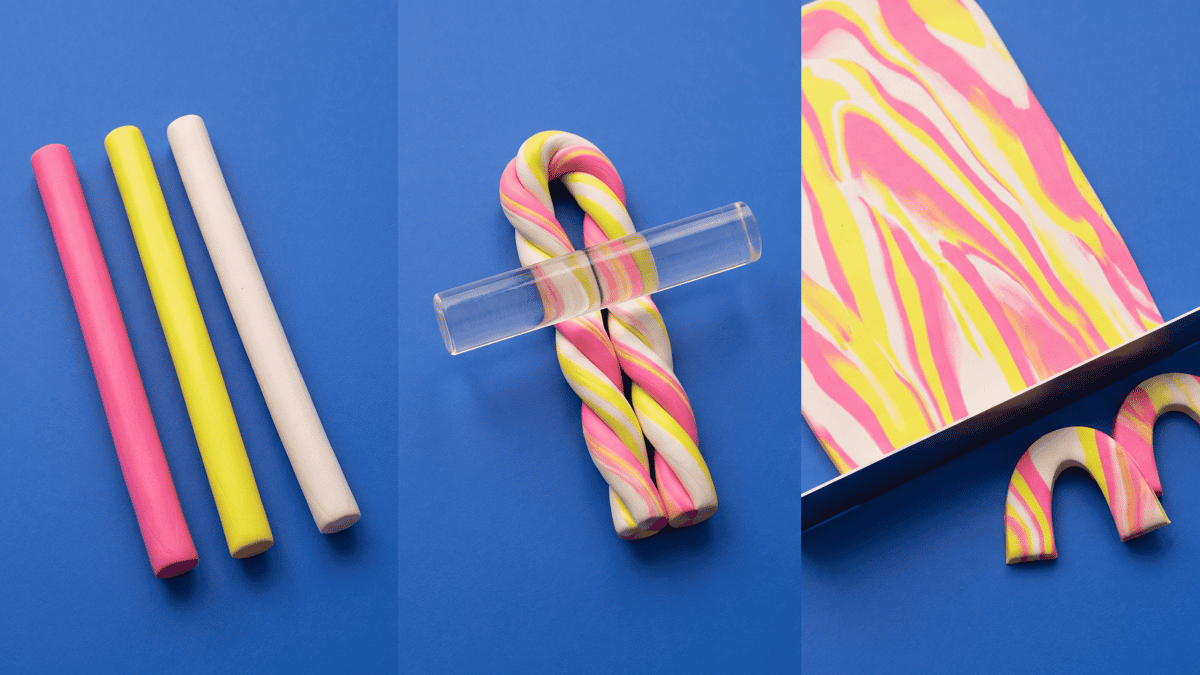
How to Marble Polymer Clay: Beginner Tutorial (Step by Step)
Learn how to marble polymer clay with three colors, a roller, and a blade. A beginner tutorial with pulled, stacked, and tile-cut variations, plus the fix for muddy slabs.
Read the guide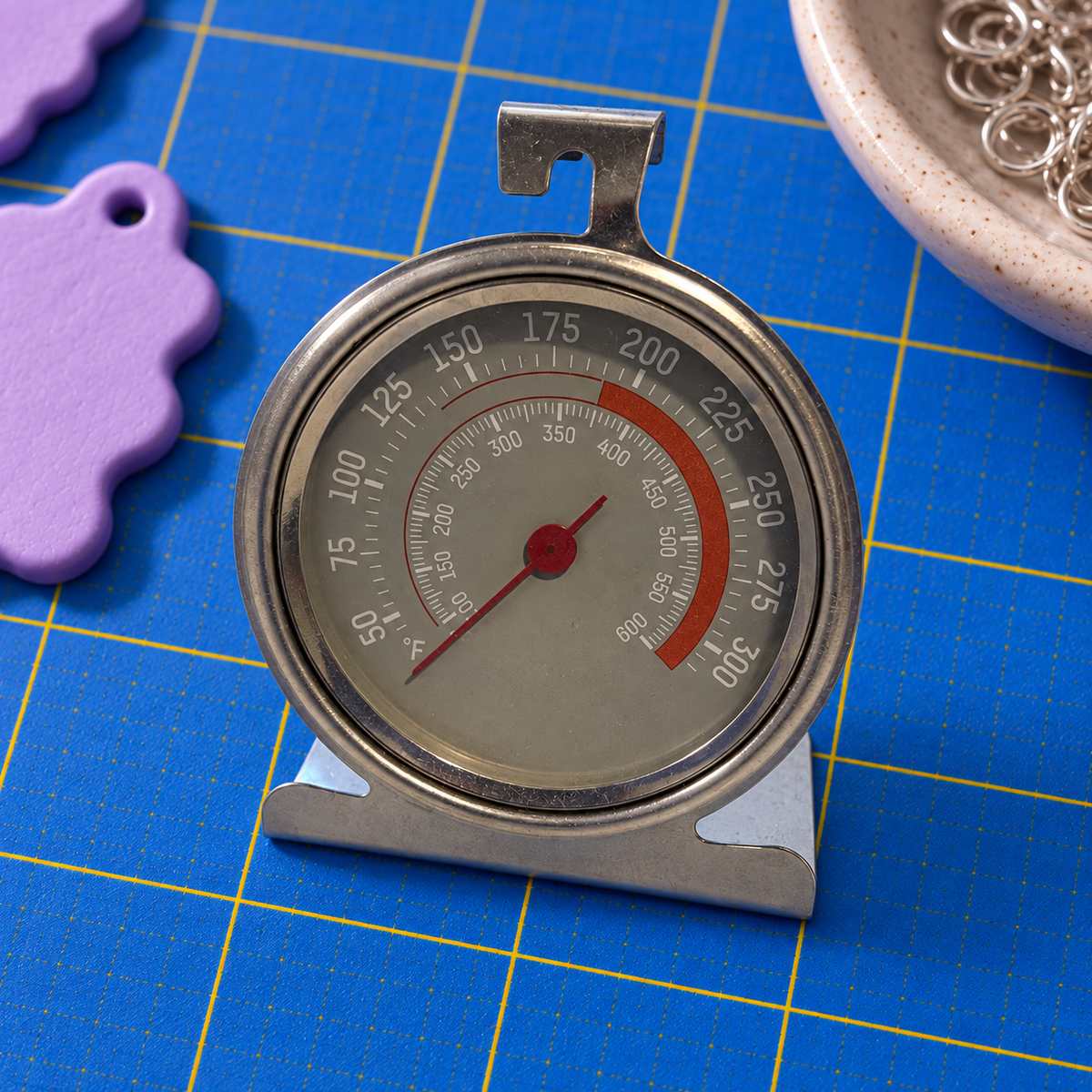
Best oven thermometer for polymer clay: what to buy and how to use it
Choose a dial you can read through the oven door, or an oven-rated air probe with an outside display. Then check the temperature beside your clay.
Read the guide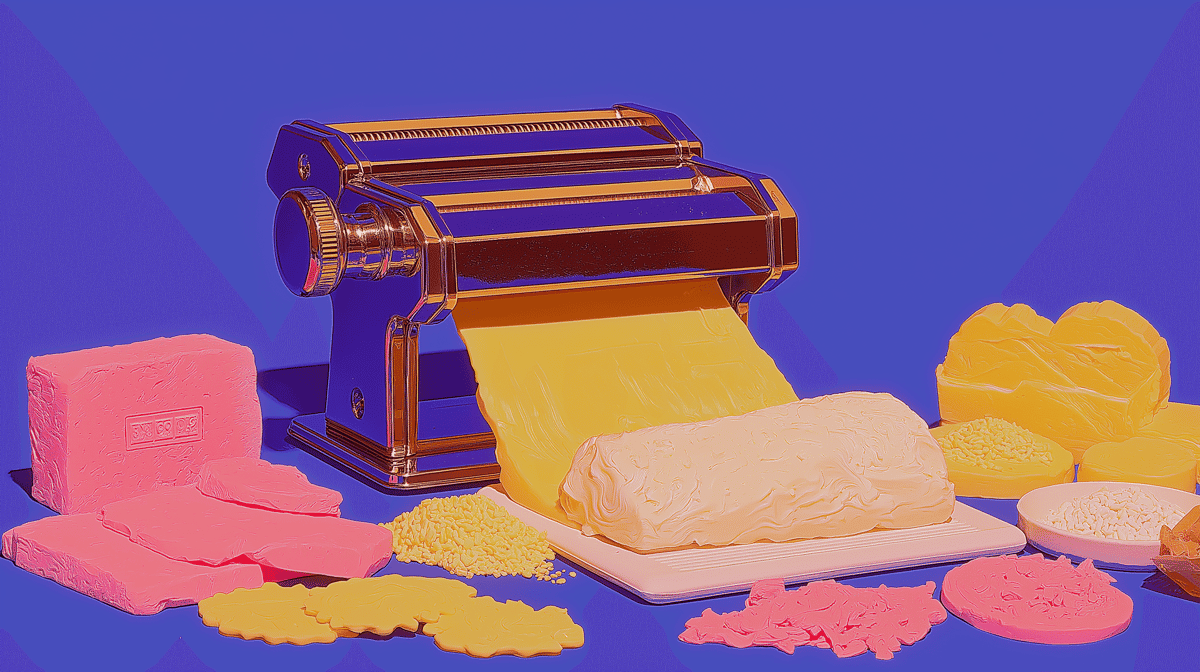
Polymer Clay for Beginners: Clay, Tools, and a First Test Piece
Choose one clay line, use three basic tools, and make a small package-directed test piece before adding more supplies.
Read the guide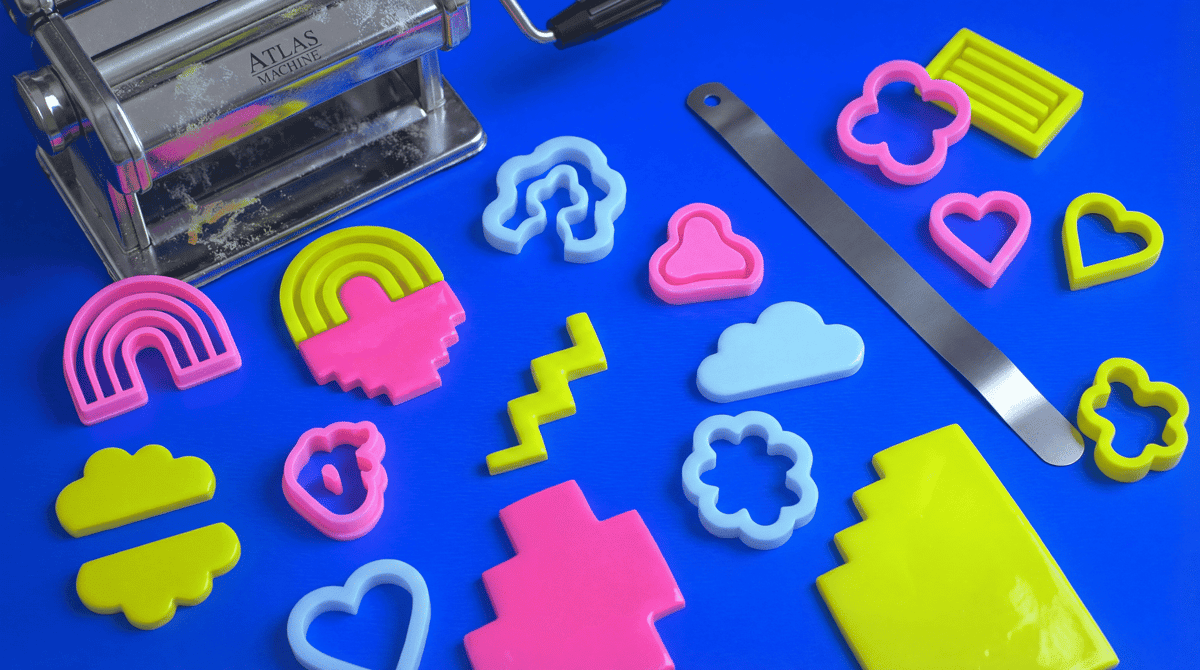
Polymer Clay Cutters: The 10 Shape Families Worth Owning (2026)
A practical 2026 cutter guide built around shape families, cleaner release, the checks to run on a listing before you buy, and the care habits that keep edges true.
Read the guide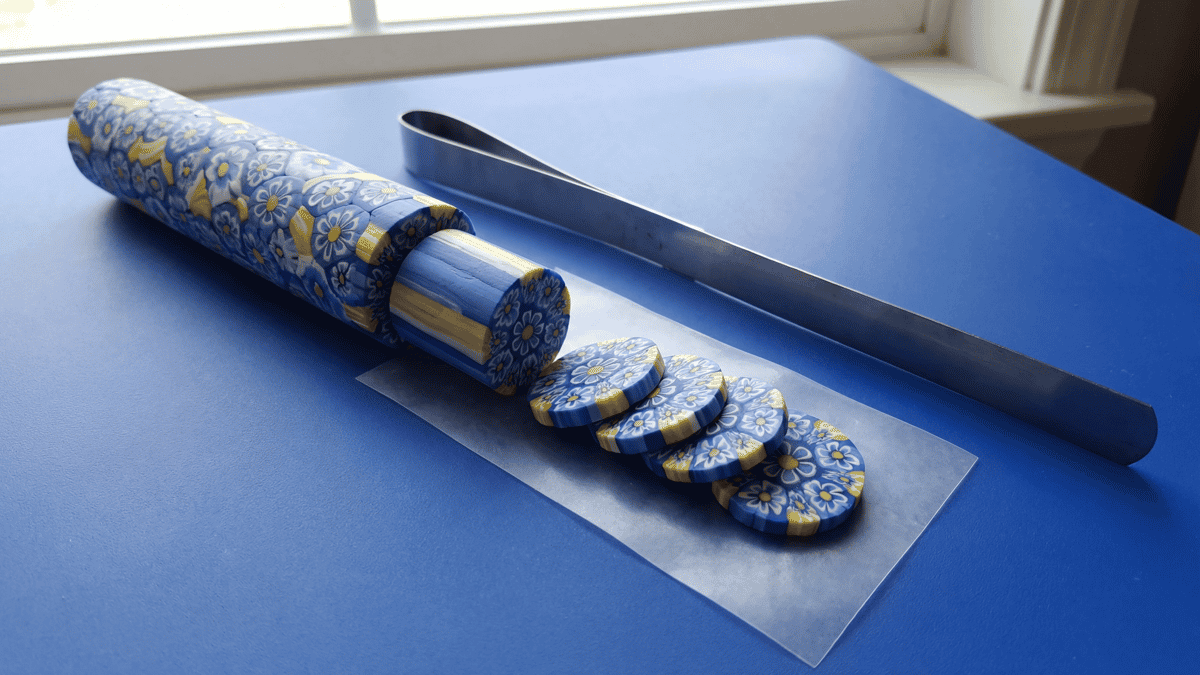
Polymer Clay Cane: A Small Recorded Pattern Exercise
Use a simple patterned-log exercise to test one clay, arrangement, cut face, and package-directed bake without turning it into a universal cane method.
Read the guide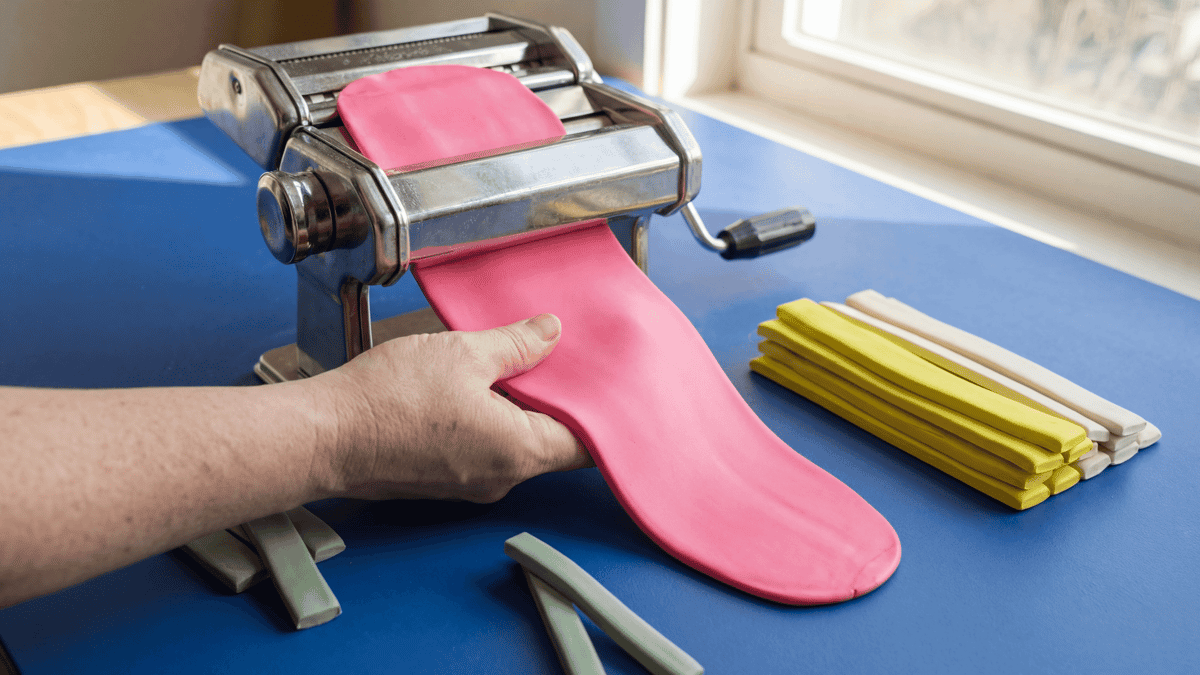
How to condition polymer clay and roll an even slab for cutters
Get every clay colour to the same softness, roll each layer to its measured thickness on a tile, and let warm clay firm up before you cut.
Read the guide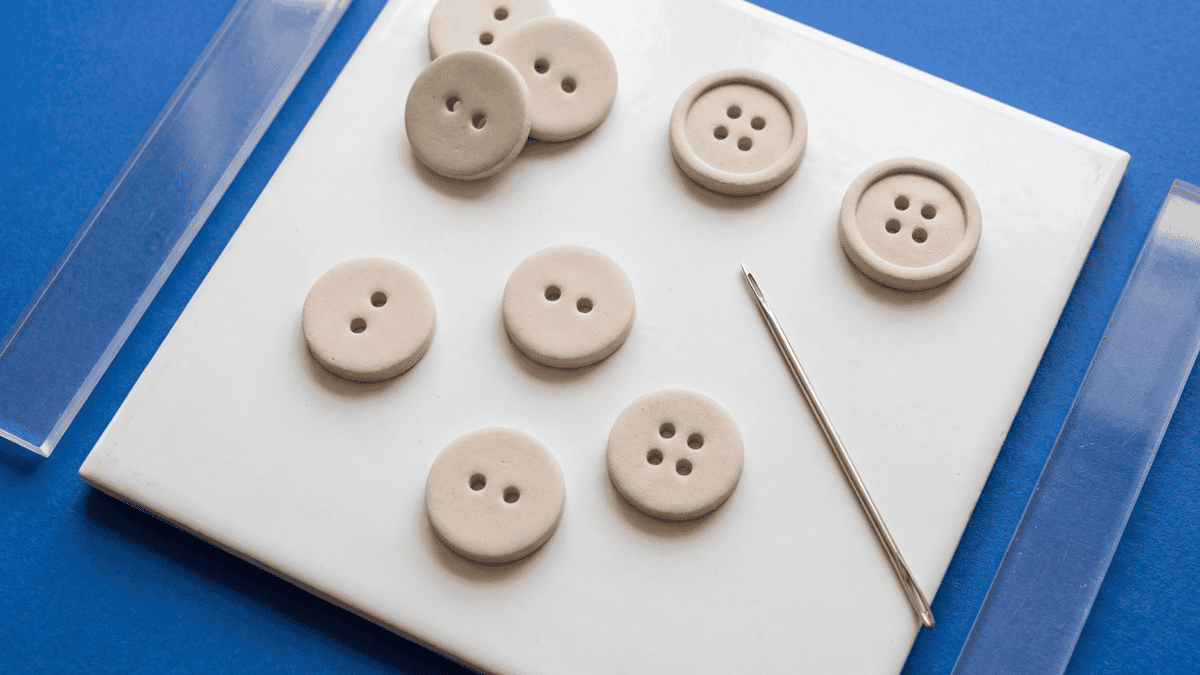
Polymer Clay Buttons: Holes, Flat Baking, and Thickness
Small button sets fail when the holes are too close to the edge, the blanks bake unevenly, or the thickness drifts from one button to the next. This guide shows the repeatable build path that keeps polymer clay buttons more consistent and easier to test on garments.
Read the guide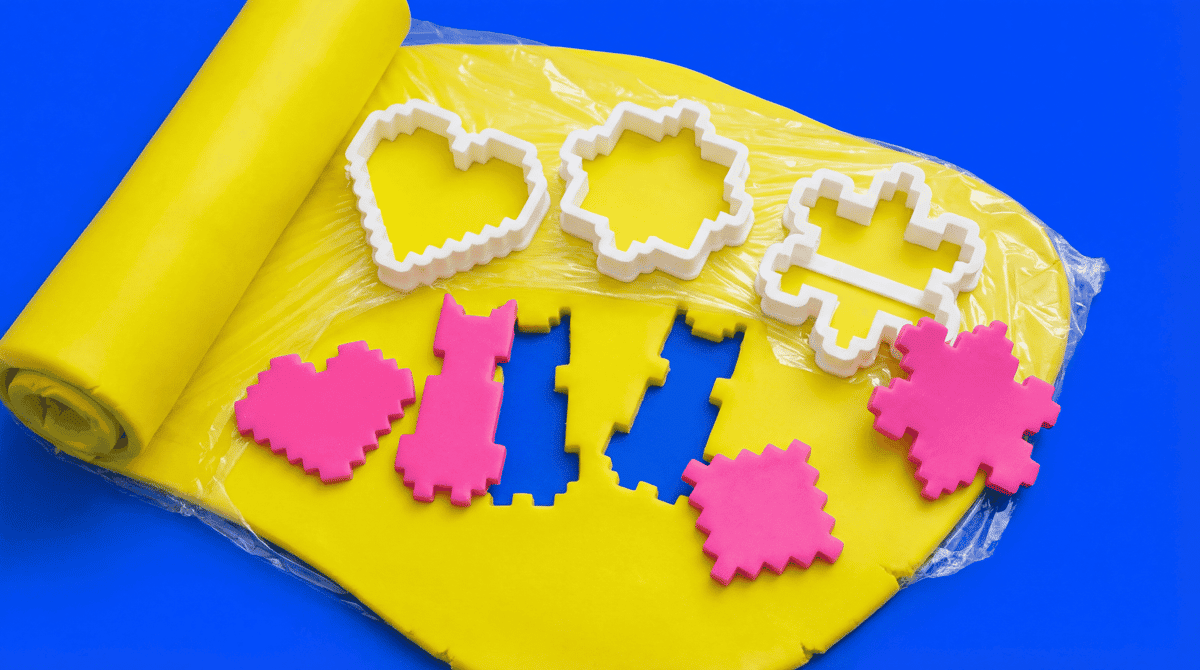
Polymer clay stuck in your cutter? How to release it and stop it sticking
Free a trapped shape, dust the cutter without leaving white clumps, and set up the slab for the next clean release. Includes the cling-wrap method for softer edges.
Read the guide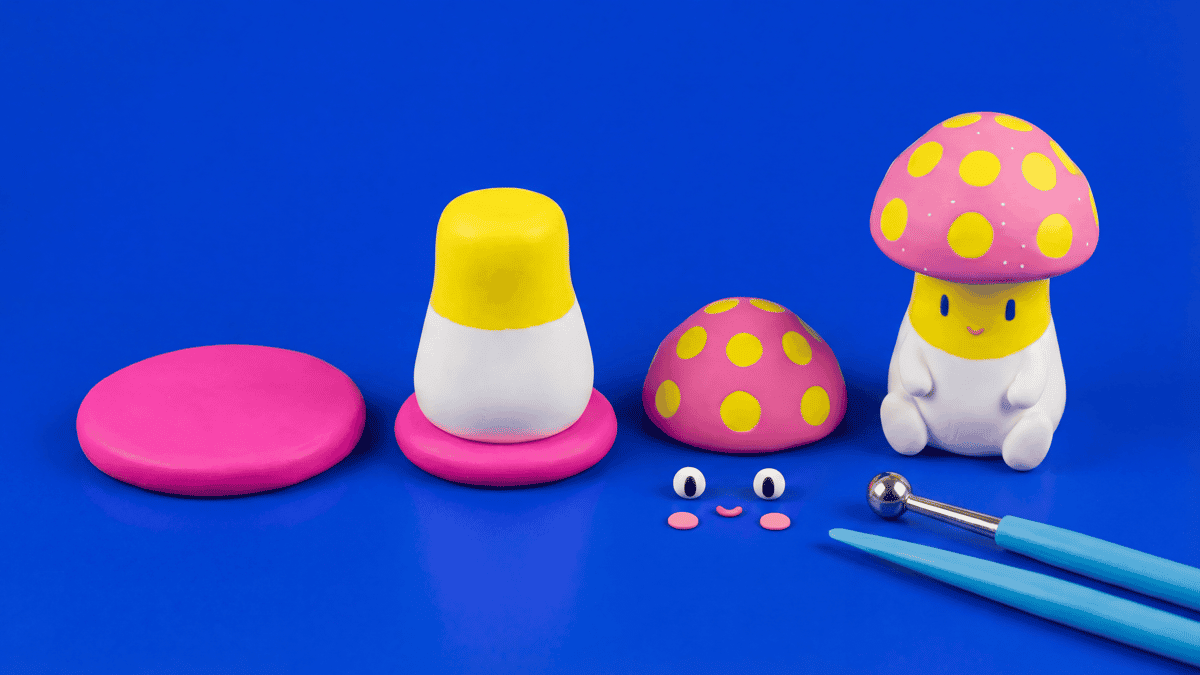
Polymer Clay Figurines: Stable Bases and Clean Features
Small figurines look simple until the base wobbles, the cap droops, or the face gets smudged while you are still shaping the body. This guide covers the order of operations that keeps polymer clay characters stable with cleaner features.
Read the guide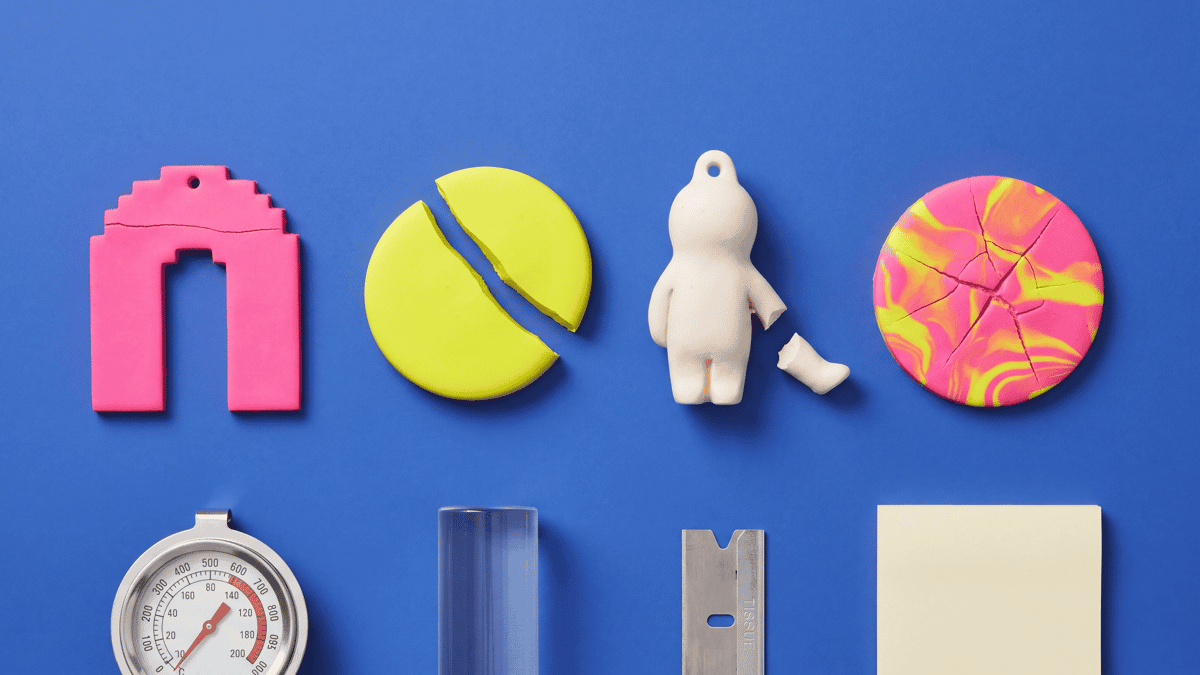
Why Is My Polymer Clay Cracking? Causes and Checks
When polymer clay cracks, check the package bake, measured oven temperature, conditioning, thickness, and support before assigning one cause.
Read the guide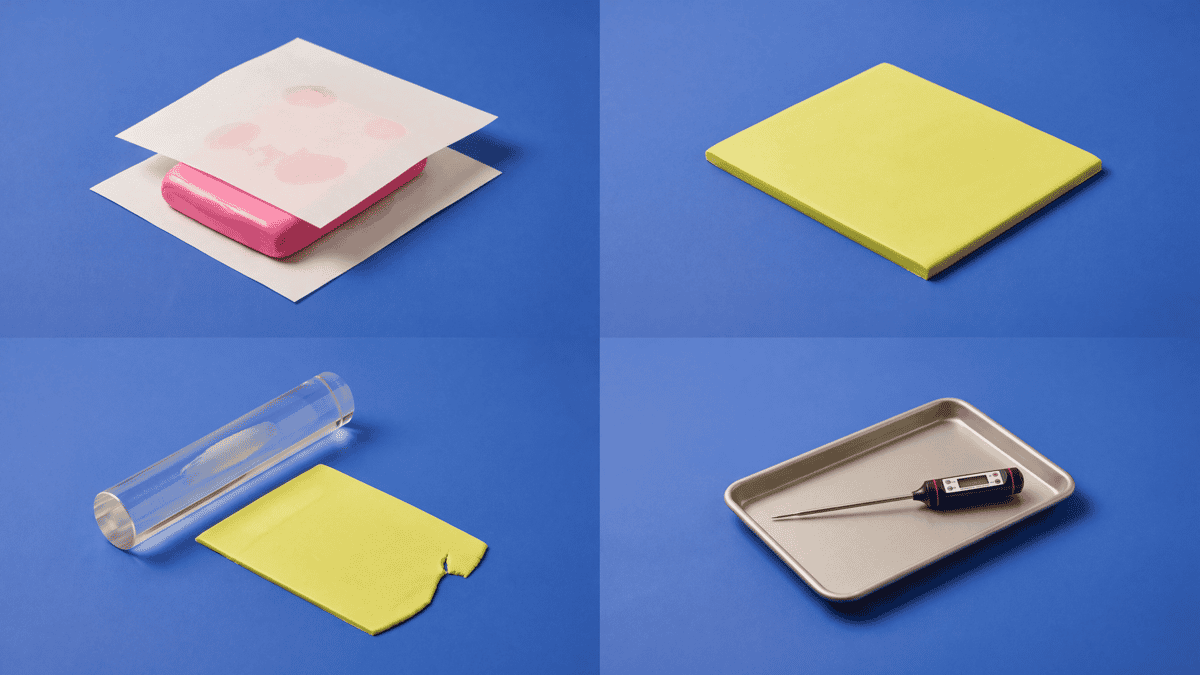
Polymer clay too soft or sticky? Chill it, then leach it, and know when to stop
Test whether the clay is warm or too soft, chill it on its tile, then leach it: let plain paper draw some of the plasticiser, the liquid that keeps clay workable, out of a thin sheet, and stop as soon as a cut piece lifts clean on a blade.
Read the guide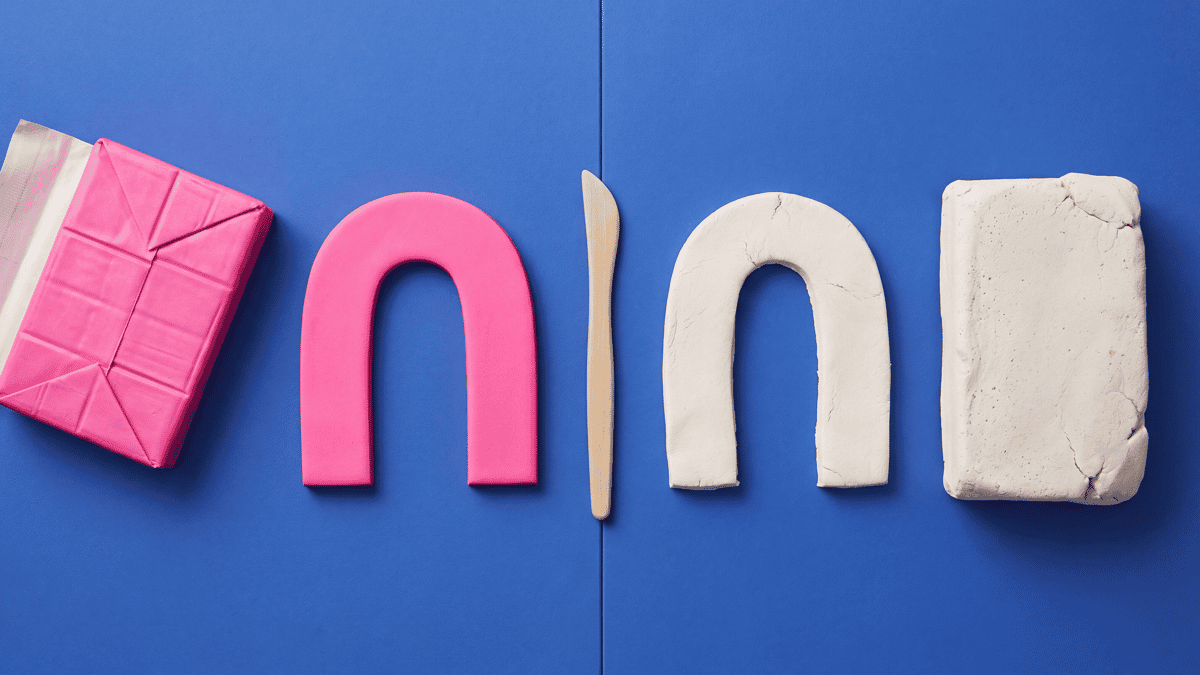
Polymer Clay vs Air Dry Clay: Which to Use
Compare exact product instructions rather than transferring cure, drying, moisture, thickness, or safety claims across two broad clay categories.
Read the guide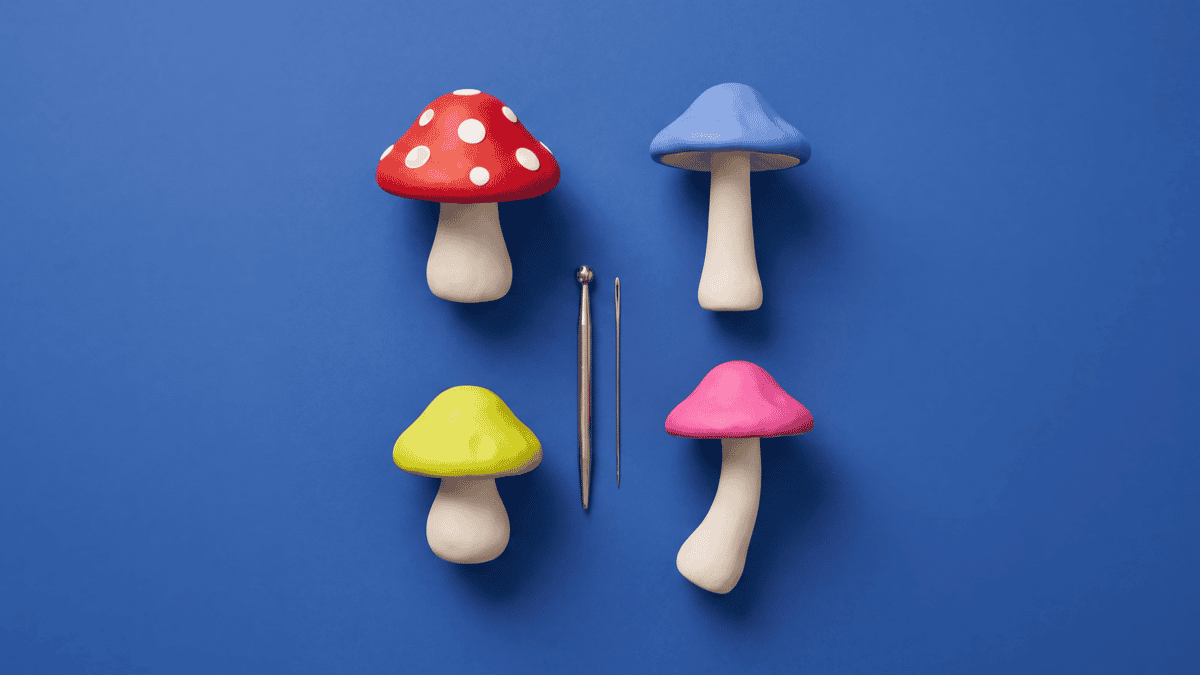
How to make polymer clay mushrooms: a desk toadstool, an earring charm and a plant-pot pick
A polymer clay mushroom is a domed cap with a socket pressed into its underside and a teardrop stem seated in it. Make a desk toadstool from a quarter bar of clay per piece, an earring charm with the eye pin set before baking, or a pick for a plant pot.
Read the guide
What’s in my polymer clay kit? 10 things I’d buy first
The ten things I would replace first, from the pasta machine that saves my hands to the small tools, work surfaces, cutters, and clay I would choose again.
Read the guideBeginner polymer clay
Make one small piece before buying more tools.
You don't need a professional pasta machine or fifty cutters to start making polymer clay jewelry. These beginner-friendly guides suggest essential worktable skills: softening stiff clay by hand, rolling flat slabs using guide rails, cutting clean outlines with simple blades, and verifying a strong bake. Build your confidence one successful sample at a time.
Studio notes
Get beginner polymer clay notes
New project notes, small checks, and practical links as they publish. Free, no spam, unsubscribe anytime.
By subscribing you agree to get Clay Bake Studio emails about new guides, tools, build kits and offers. Unsubscribe anytime. We do not sell your email. Read our privacy policy.