Polymer Clay Buttons: Hole Placement, Flat Baking, and Consistent Thickness
Small button sets fail when the holes are too close to the edge, the blanks bake unevenly, or the thickness drifts from one button to the next. This guide shows the repeatable build path that keeps polymer clay buttons more consistent and easier to test on garments.
In brief
Key takeaways
- 1Roll one even sheet and cut the full button set before the clay warms up too much
- 2Pierce the sew-through holes while the clay is raw, then clean them after cure if needed
- 3Flat baking on a ceramic tile can help keep small buttons more even than a warped support, if your clay line supports that setup
- 4Matched thickness matters more than chasing one magic button depth for every project
Use this guideas a maker reference, not a final spec. Some pages are researched and drafted with AI assistance, then reviewed by our team. Clay lines, ovens, tools, adhesives, and finishing products behave differently, so check your clay brand's instructions plus manufacturer safety guidance before baking, finishing, or attaching hardware.
Some links in this article are affiliate links. If you buy through them, we may earn a small commission at no extra cost to you. That support helps keep our guides and research free. As an Amazon Associate I earn from qualifying purchases. We choose products we think are relevant to the build, but check the listing details, dimensions, and material fit for your own setup before you buy.
Polymer clay buttons only feel convincing when the holes stay clean enough to sew, the face stays flat enough to sit on the garment, and the set cures to a matched thickness. When those details drift, the set starts feeling unreliable instead of intentionally handmade.
The fix is not a secret glaze or one perfect cutter. It is a build order: even sheet first, clean blank second, hole spacing third, flat baking fourth, and finishing last.
The Core Button Workflow
Roll one even sheet, cut the full set, pierce the holes while raw, then bake the blanks flat if your clay line supports that setup before you decide how much finishing they really need.
- Condition the clay until it rolls smoothly.
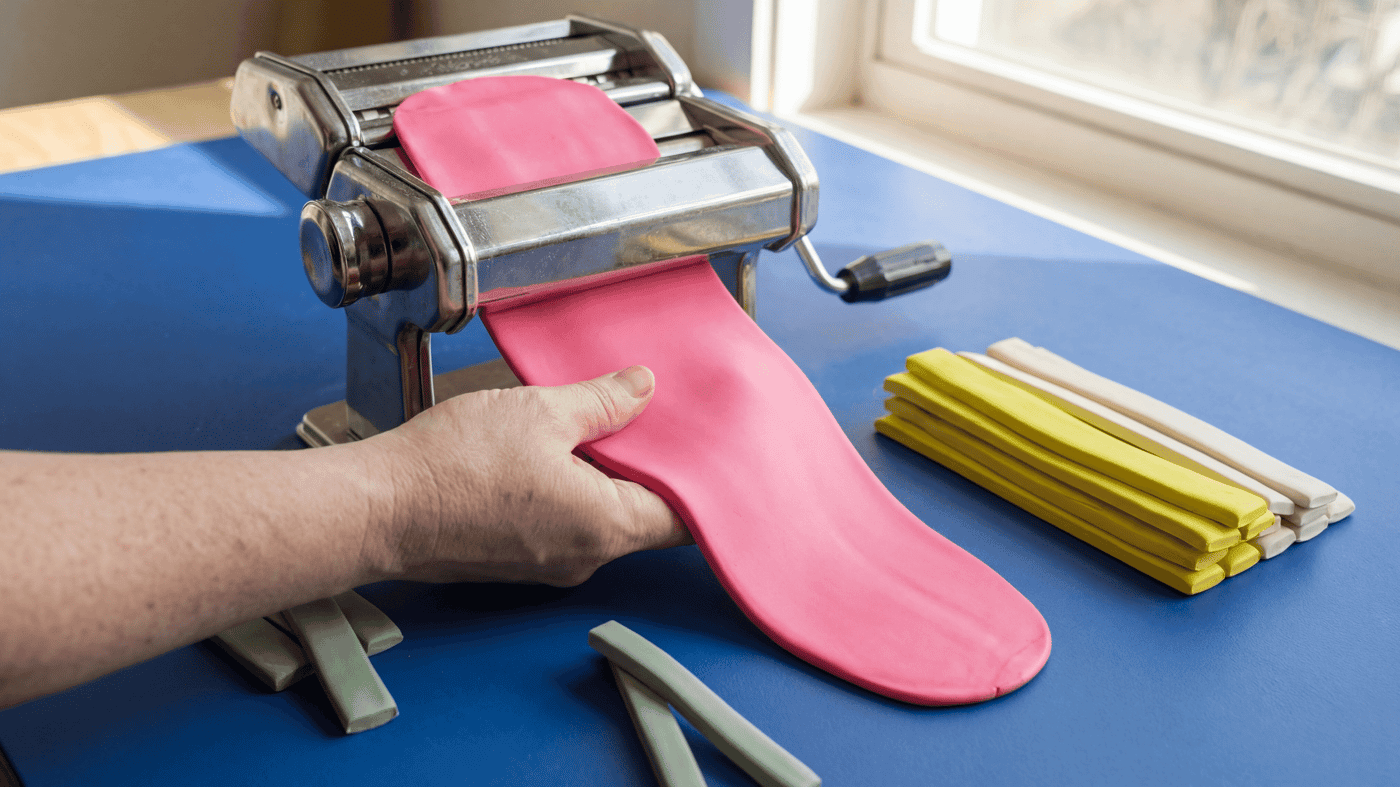
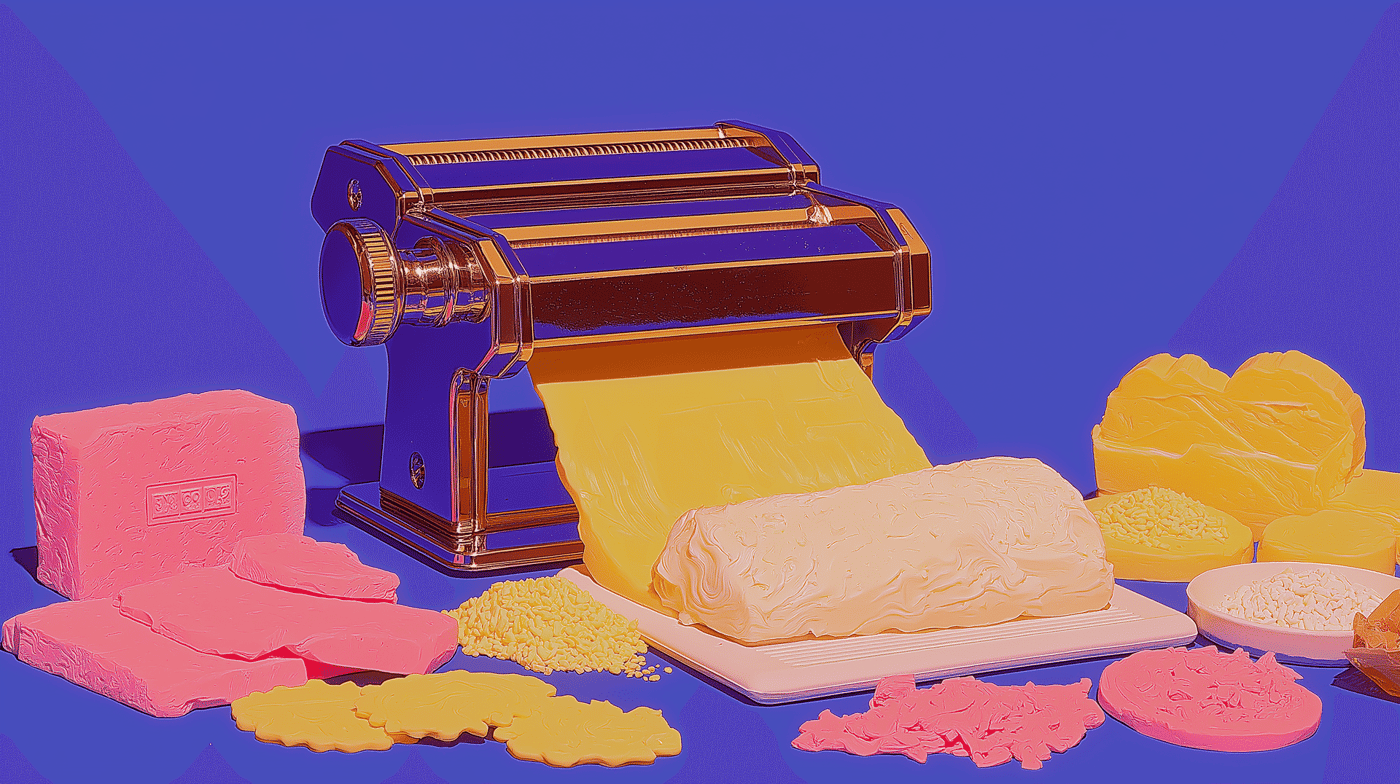
- Use a roller, guides, or a pasta machine to set the thickness.
- Cut all matching button blanks before the sheet warms up too much.
- Pierce the sew-through holes while the clay is still raw.
- Keep the blanks on a tile for baking so the bottoms stay flat.
- After cooling, clear the holes and finish only as much as the look really needs.
Compare the next buying decision
Keep moving through the cluster so you can finish the decision with a short list, not a dozen open tabs.
How To Keep Thickness Consistent
Consistency matters more than chasing one perfect number. A button set reads clean when every blank feels like it came from the same sheet and the same build decision.
Thickness guide strips are one of the easiest ways to keep small button sets from drifting thicker and thinner as you roll.
Acrylic roller works well when you only need one or two button sheets and want to keep the setup simple.
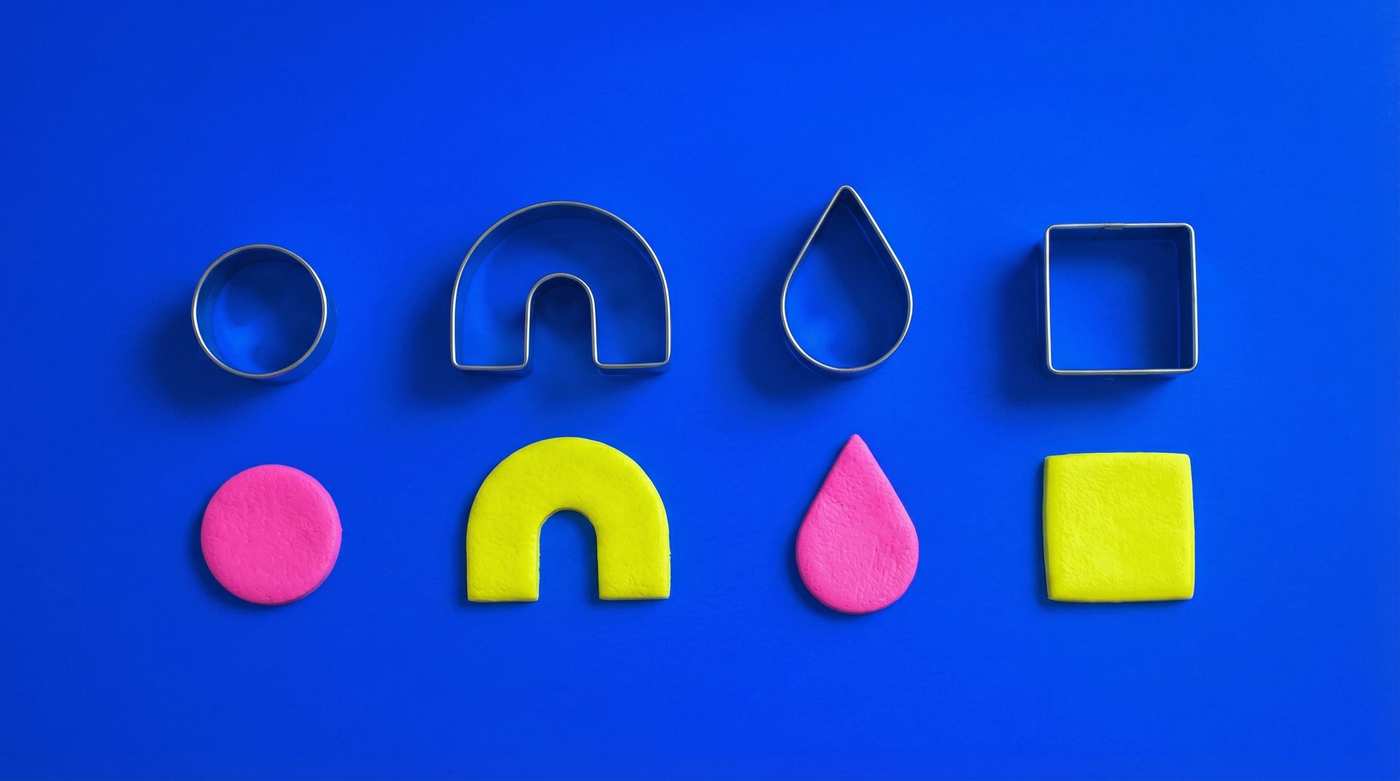
If the design depends on repeated circles, arches, or medallions, cut the full set in one sitting from the same sheet instead of building each button one by one from fresh scraps.
Hole Placement That Holds Up Better
Place the holes after the face layout is established, but before baking, and leave generous clay around each opening.
That does three things:
- it keeps the hole spacing consistent across the set
- it lets you position the holes around the motif instead of cutting through it by accident
- it reduces the temptation to force a drill bit through a fragile edge after cure
Needle tools are usually enough for button-hole placement. The goal is a clean guide path that you can refine later, not a giant ragged opening made by twisting the tool too aggressively.
Why Flat Baking Matters
For many flat buttons, a tile is a practical starting setup if your clay line supports it. It can help keep the bottom level and make hole spacing easier to preserve.
White ceramic tiles work especially well because they give you a flat bake surface and make it easier to spot lint, scorch, and color contamination before the buttons go into the oven.
If the button has a domed or relief face, make the dome shallow and keep the back flat enough to stitch cleanly. Decorative texture is useful. A button that rocks on the garment is not.
When To Finish And When To Stop
Finish after the buttons are fully cured, cooled, and cleaned. Do not use finish as a shortcut for rough edges or messy holes.
If the set already looks good after bake and cleanup, stop there. If it still needs more shine, buff lightly or test a thin gloss coat on baked scrap first. Heavy topcoats can fill detail around the holes and make small buttons feel gummy or overworked.
If you are making buttons for clothing, Sculpey's button guidance recommends hand washing and hang drying the finished garment. Treat that as the safer starting point instead of assuming a glaze or topcoat makes polymer clay buttons machine-wash-proof.
Best Tools For Repeatable Button Sets
Clay Blade Set helps with clean strips, trims, and face cleanup when the design uses narrow graphic shapes.
Round clay cutters or shape-specific cutters are worth using whenever the set depends on repeated silhouettes. Consistency is part of the finished look.
Oven thermometer helps you avoid brittle under-baked buttons and scorched bright colors.
Use This Guide With The Lookbook
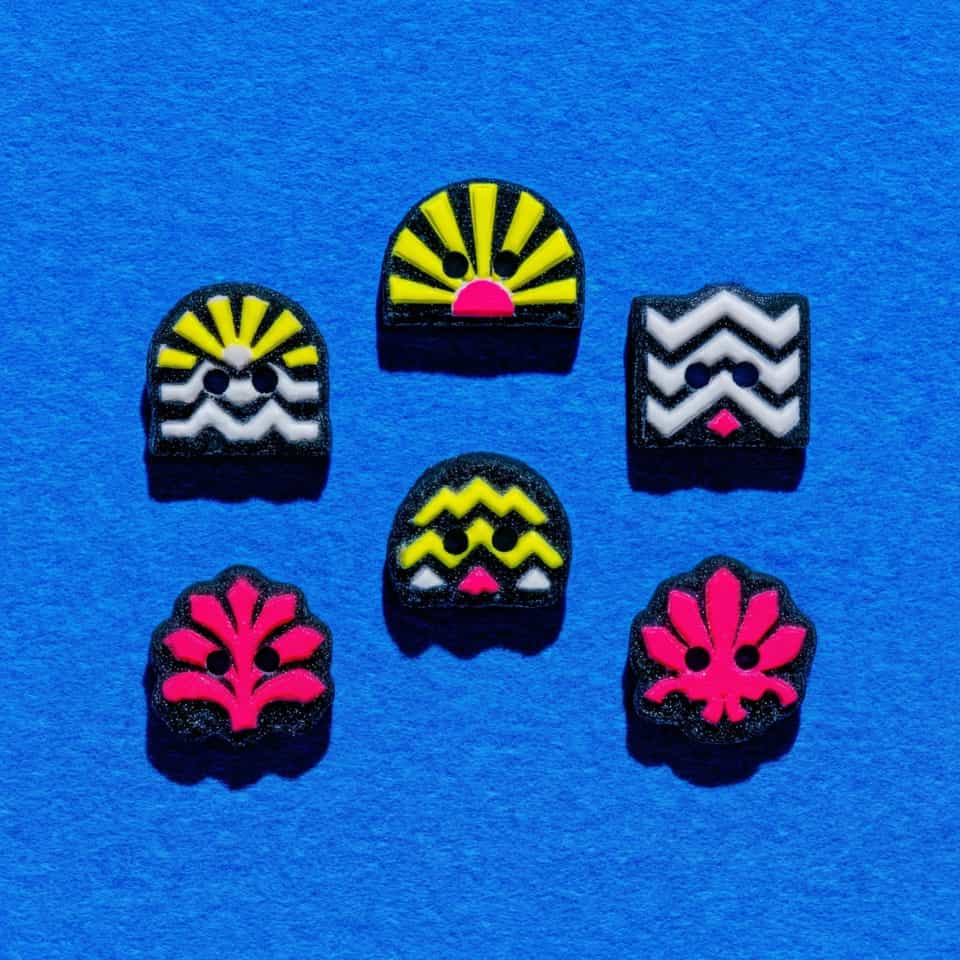
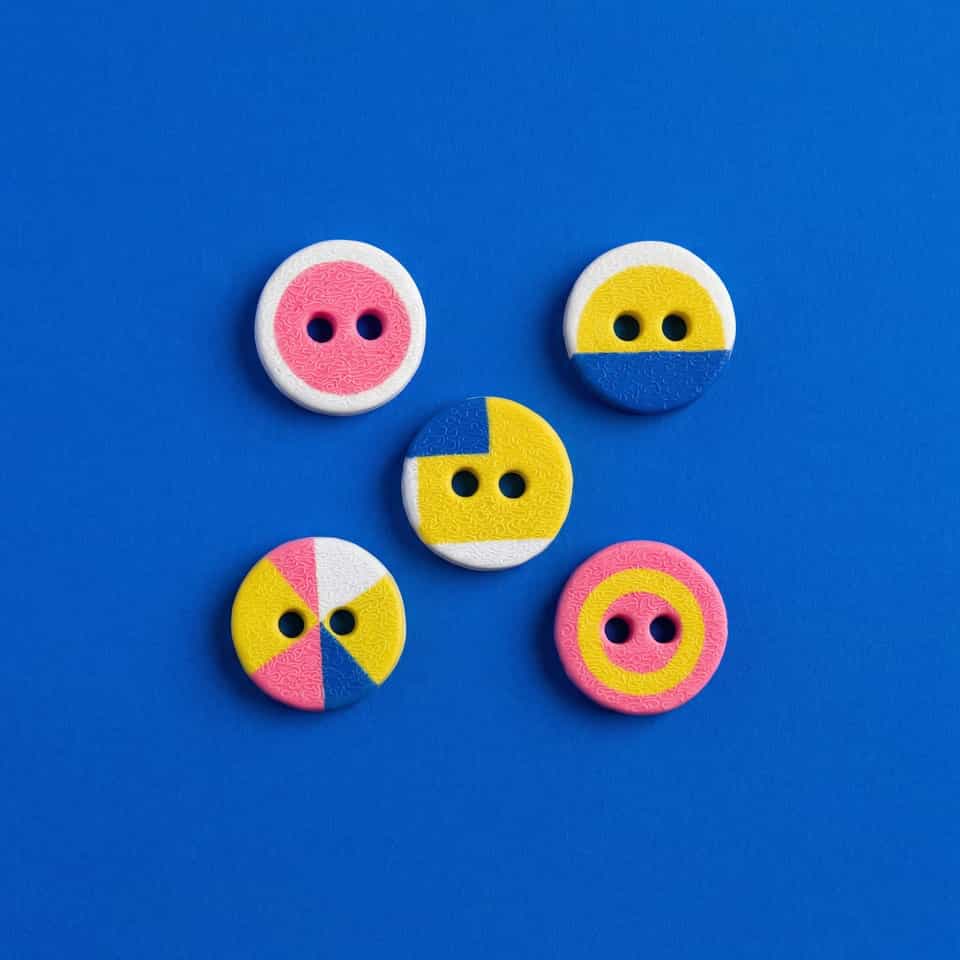
If an inspiration page shows repeated button blanks, mixed motifs on one garment, or two visible front holes, use this guide as the technical baseline before you worry about the decorative layer.
In practice that means:
- match the sheet thickness first
- cut the silhouette cleanly
- place the holes with enough strength around them
- bake flat
- finish only after the mechanics already work
Common questions
Frequently asked questions
Take the next buyer step
Two or three more pages should get you to a confident yes or no.
Designs to try


Black and Neon Art Deco Buttons


Bauhaus Color-Block Buttons


Pastel Cameo Motif Buttons


Pop Art Graphic Buttons
Keep comparing

Conditioning Polymer Clay for Clean Sheets, Crisp Cuts, and Better Canes
Conditioning is not just softening clay. It is how you get cleaner slabs, steadier cane reduction, and sharper cut edges before the piece ever reaches the oven.

Clay Cutters for Beginners: Start With Sharp, Simple Shapes
A stainless cutter starter set in repeatable shapes is usually easier to learn with than a large novelty bundle. Clean release and even slab thickness matter more than a long shape list.

Sanding, Buffing, and Finish Testing for Polymer Clay
Smoother polymer clay surfaces come from controlled sanding and careful finish testing, not one universal gloss rule. This guide covers wet sanding, buffing, and when to test a coating on scrap first.