What Is a Polymer Clay Cane? Millefiori, Flower Canes, and Cane Slices Explained
A plain-English guide to polymer clay canes, millefiori, flower canes, reduction, slicing, and when to use a cane over a backing sheet instead of building the whole piece from patterned clay.
In brief
Key takeaways
- 1A cane is a patterned log of clay, and each slice reveals the same motif again
- 2Millefiori is a decorative style of cane work, often floral, not a different basic construction method
- 3Most flat brooches, buttons, and earrings use thin cane slices over a backing rather than patterned clay through the full thickness
- 4Reduce canes slowly, rotate often, and slice only after the clay is firm enough to hold detail cleanly
Use this guideas a maker reference, not a final spec. Some pages are researched and drafted with AI assistance, then reviewed by our team. Clay lines, ovens, tools, adhesives, and finishing products behave differently, so check your clay brand's instructions plus manufacturer safety guidance before baking, finishing, or attaching hardware.
Some links in this article are affiliate links. If you buy through them, we may earn a small commission at no extra cost to you. That support helps keep our guides and research free. As an Amazon Associate I earn from qualifying purchases. We choose products we think are relevant to the build, but check the listing details, dimensions, and material fit for your own setup before you buy.
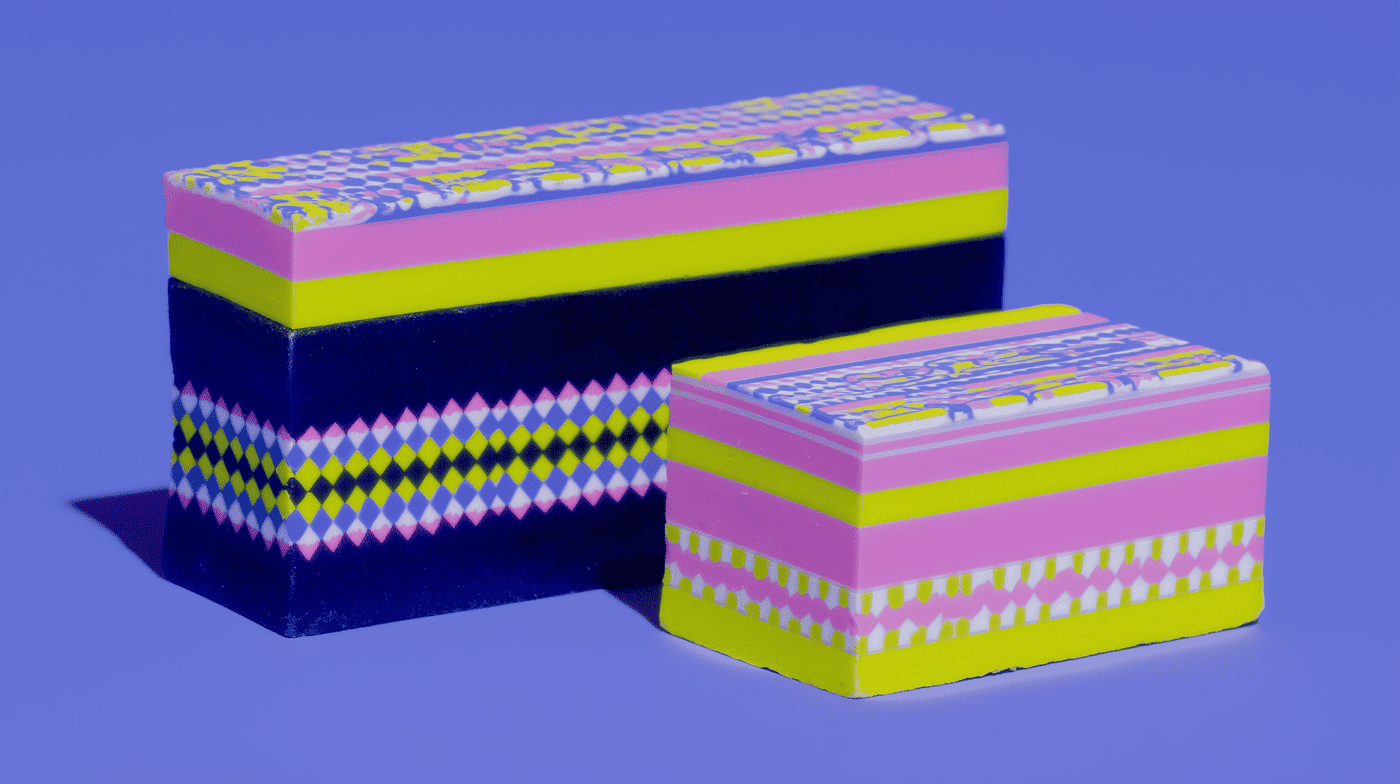
If you keep seeing the word cane in polymer clay tutorials and wondering what people actually mean, think of it as a patterned log of clay. You build the design once, stretch or reduce it to the size you need, then slice it to repeat that pattern across brooches, buttons, pendants, earrings, and dishes.
That is why canes matter so much in lookbook builds. They let you make repeated flowers, dots, stripes, eyes, petals, and graphic motifs that stay consistent from piece to piece. If you are trying to copy an inspiration image with repeated motifs, learning how canes work usually saves time and gives you a cleaner result.
What A Cane Actually Is
A polymer clay cane is a patterned log or block that reveals the same design every time you slice through it.
Build the pattern in cross-section first, then make the cane longer and smaller without losing the internal design. When you cut across the cane, each slice shows the same motif. That motif can be simple, like a bullseye or stripe, or much more detailed, like a flower.
Sculpey project guidance for caned work treats the finished cane as a reusable patterned form: condition the clay first, build the internal motif carefully, then reduce and slice it only after the clay is smooth and stable enough to hold detail. That is the key mental model for makers. A cane is not surface painting. It is a pattern engineered into the clay body before slicing.
See this technique in the gallery
Browse real designs built with the techniques covered in this article.
Cane Versus Millefiori Versus Nerikomi
Cane is the general method. Millefiori is a decorative style of cane work, often floral. Nerikomi is a related layered-pattern term some polymer clay makers use for cane-like or slab-patterned work.
These terms overlap, which is why they confuse people:
- Cane: The general polymer clay method of building a repeatable patterned log and slicing it.
- Millefiori: A specific decorative look, often many small flowers or repeated motifs made from cane slices.
- Nerikomi: A related layered-pattern term. In polymer clay, some makers use it for cane-like work, patterned slabs, and other through-body pattern systems.
If an item page says flower cane, it is telling you the flower was probably built into a cane first, then sliced. If it says millefiori, it usually means those slices are being used decoratively across the surface.
What A Flower Cane Is
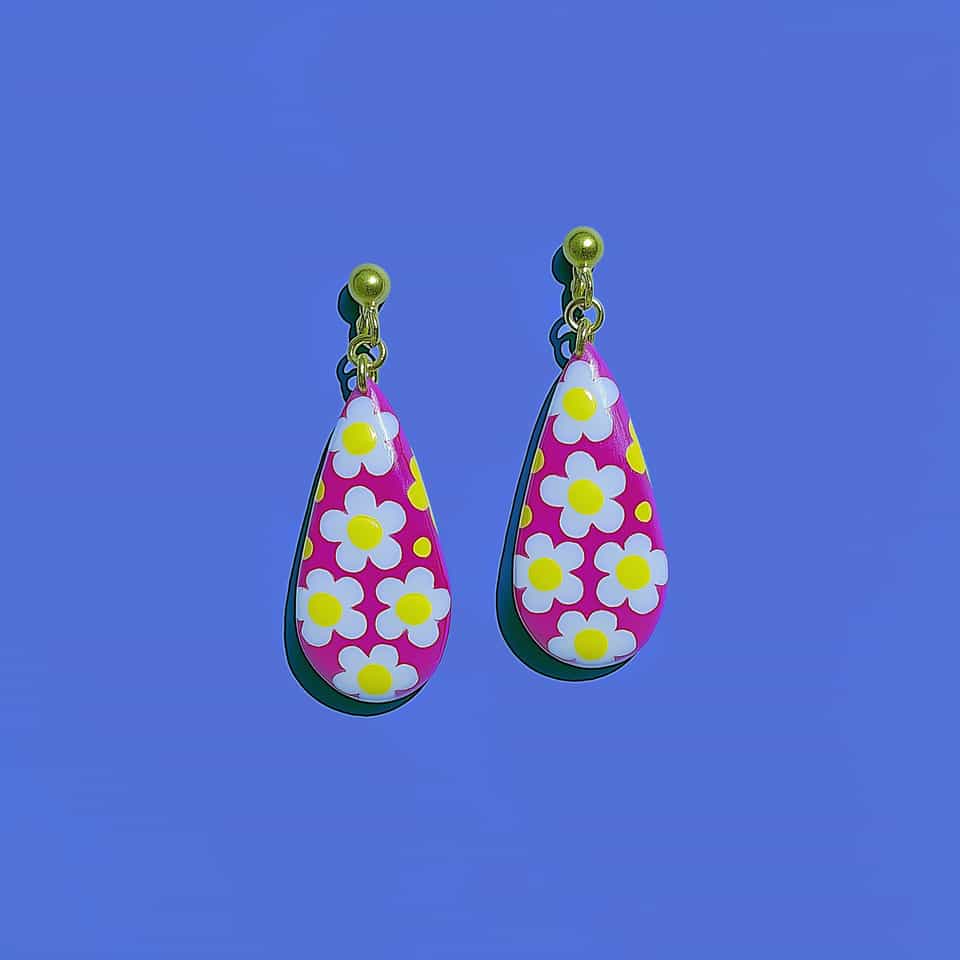
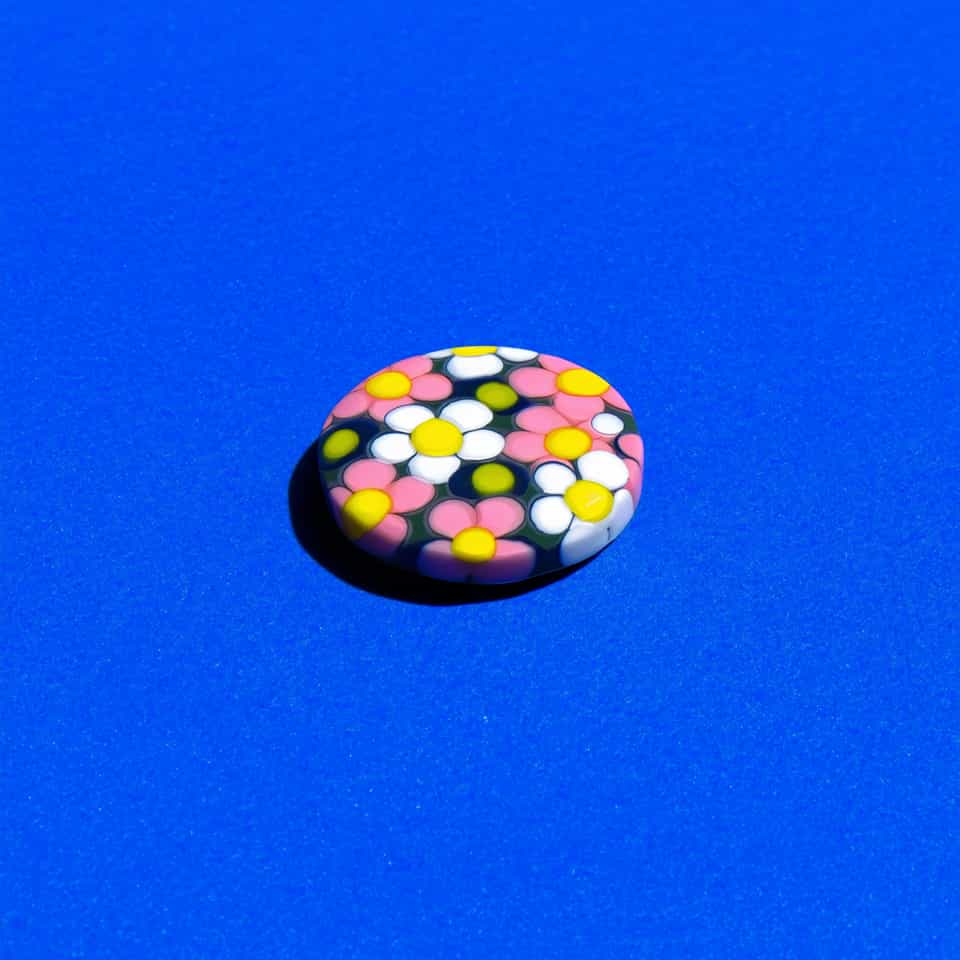
A flower cane is a cane where each slice reveals a flower built from a center, petals, and an outer background or wrap.
A simple flower cane usually has:
- a center core
- petal sections arranged around that center
- background clay between petals or around the outside
- an optional outer wrap to help the cane reduce evenly
This matters because many inspiration pieces only need the flower cane on the front face, not through the entire thickness of the piece.
When To Use Cane Slices Over A Backing
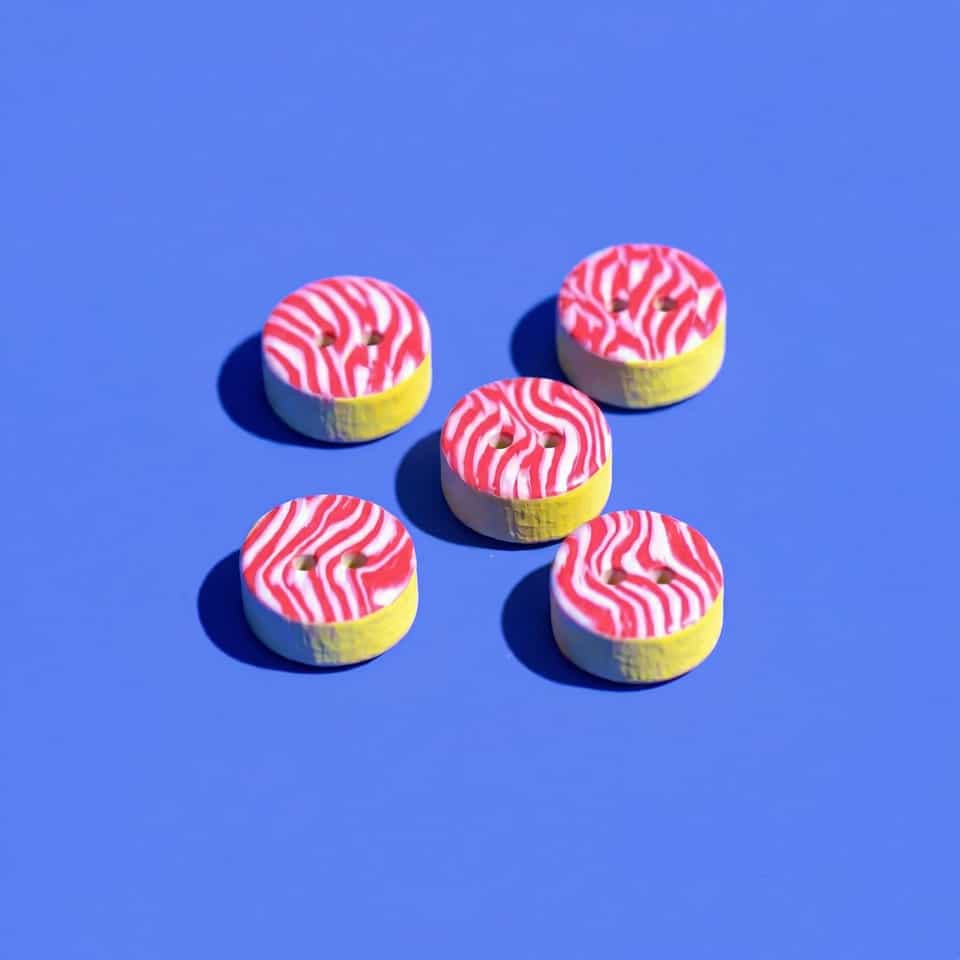
Use thin cane slices over a backing sheet or base form for most jewelry, buttons, and brooches. That often gives you a calmer back, uses less cane, and keeps the surface easier to control.
This is the move many beginners miss. You do not usually need the whole object to be cane all the way through.
Use slices over a backing when:
- the motif is only visible on the front face
- you want to stretch one good cane across multiple pieces
- you need a flat back for a brooch finding or button holes
- you want more predictable thickness and a calmer back for later holes or hardware
That is the right build logic for many lookbook pages, especially small brooches, flat pendants, floral buttons, and decorative slabs.
When To Build The Pattern Through The Whole Piece
Run the pattern through the whole piece only when the edge, side, or cut face needs to show the same internal design.
This makes more sense for:
- beads
- bullseye or striped canes used as the full body
- thicker statement pieces where the side view matters
- objects meant to be carved or sanded back into the pattern
For most flat inspiration items, surface slices over a backing are the safer starting point.
The Basic Cane Workflow
Condition, build the pattern, reduce slowly, slice thinly, then apply the slices to the final base shape.
- Condition the clay well. Uneven conditioning is one of the fastest ways to distort a cane.
- Build the cross-section carefully. Start with the shape you want each slice to reveal.
- Reduce from the center outward. Light pressure and rotation keep the cane from twisting or hourglassing.
- Rest or chill if needed. Slightly firmer clay slices more cleanly.
- Slice only what you need. Thin slices usually work best over a backing sheet or base form.
- Press slices in gently. Enough to bond them, not so much that you flatten the petals or smear the pattern.
Common Cane Mistakes
Most cane problems come from uneven conditioning, reducing too aggressively, or using slices that are too thick for the scale of the piece.
- Blurred petals: The cane was too warm, too soft, or over-compressed during reduction.
- Twisted pattern: The cane was rolled in one direction instead of being rotated frequently.
- Chunky surface: The slices were too thick for the scale of the piece.
- Uneven flowers: The colors were conditioned to different softness levels, so one section stretched more than another.
Best Tools For Cane Work
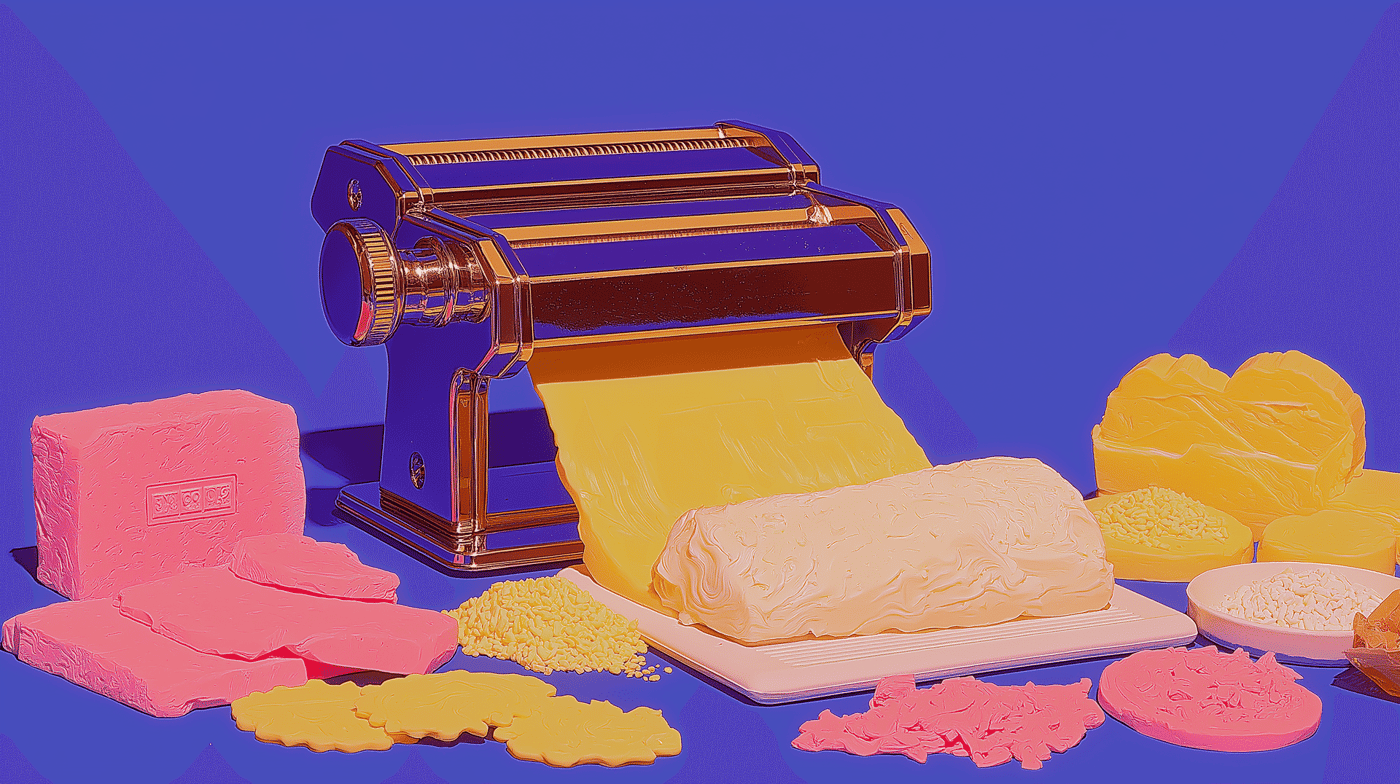
A pasta machine or acrylic roller, a sharp tissue blade, ceramic tile, and an oven thermometer make cane work much more predictable.
Atlas Pasta Machine helps you condition clay and make even sheets before building the cane.
Clay Blade Set is useful for clean slicing and trimming. A sharp blade matters more than almost anything once the cane is built.
White ceramic tiles give you a flat work and bake surface that makes it easier to see dust, slice debris, and edge distortion.
Oven thermometer helps you check the real shelf temperature against your clay line's package instructions before you repeat the build.
Use This Guide With The Lookbook
If an inspiration page mentions a cane, flower cane, or millefiori, read it as a clue about the build method, not as decorative jargon.
It usually means:
- build the repeating motif first
- reduce it to the right scale
- slice it thinly
- apply it to a base form that matches the object in the image pair
That is the exact reasoning we want makers to have when they move from inspiration image to actual polymer clay construction.
Common questions
Frequently asked questions
Designs to try


Daisy Cane Teardrop Drops


Pink and White Millefiori Flower Collar Brooch


Pink Marbled and Floral Domed Two-Hole Button Set
Keep reading

Conditioning Polymer Clay for Clean Sheets, Crisp Cuts, and Better Canes
Conditioning is not just softening clay. It is how you get cleaner slabs, steadier cane reduction, and sharper cut edges before the piece ever reaches the oven.

The Cling Wrap Trick: Perfect Edges with Polymer Clay Cutters
Stop fighting sticky cutters and ragged edges. Learn why professional polymer clay artists use plastic wrap when cutting shapes - the science behind sticking, which wraps are safe, when to skip this technique, and advanced tricks for perfect pillowed edges every time.

Nerikomi for Polymer Clay: The Complete Guide to Japanese Layered Patterns
Master the ancient Japanese ceramic technique of nerikomi using polymer clay. Learn to create stunning layered patterns - spirals, checkerboards, and bullseyes - that run all the way through your jewelry pieces.