Slab Cutting
Condition clay, choose a pasta machine, roll even slabs at the right thickness, then cut Skinner blend, terrazzo, mokume gane and grid slabs cleanly.

Articles
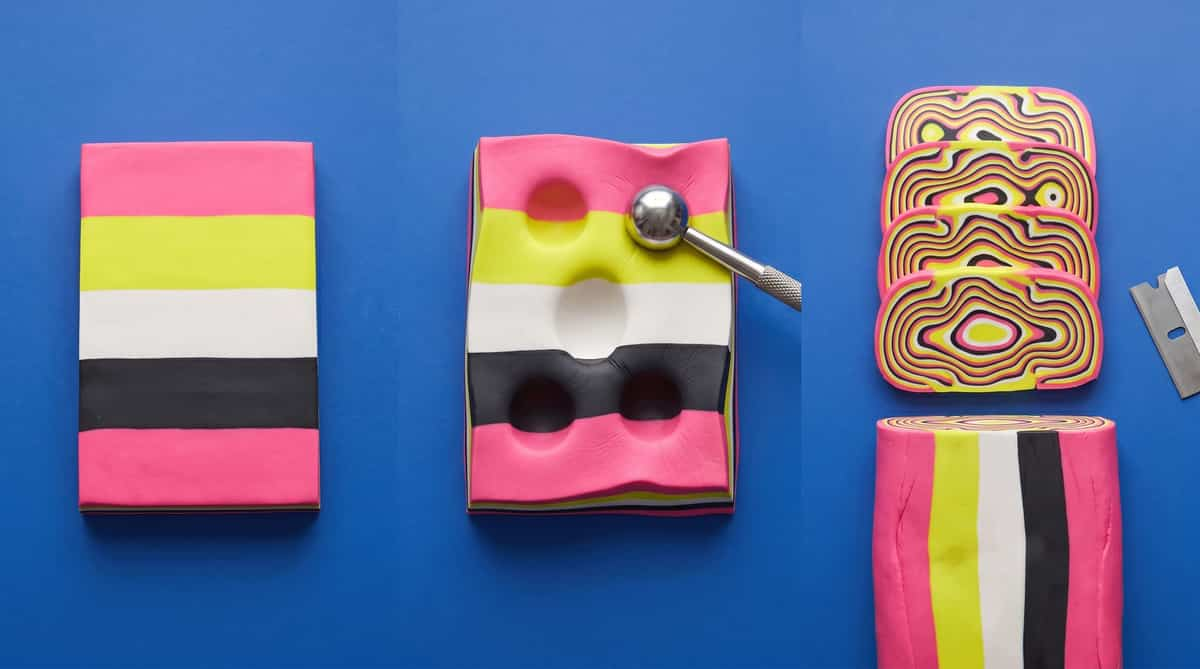
Polymer clay mokume gane: stack, press and shave a patterned slab
Stack eight thin layers of contrasting clay, press dimples two-thirds of the way down and shave thin slices across the top to reveal rings of colour. Lay the shavings on a backing to make the slab you cut from.
Read the guide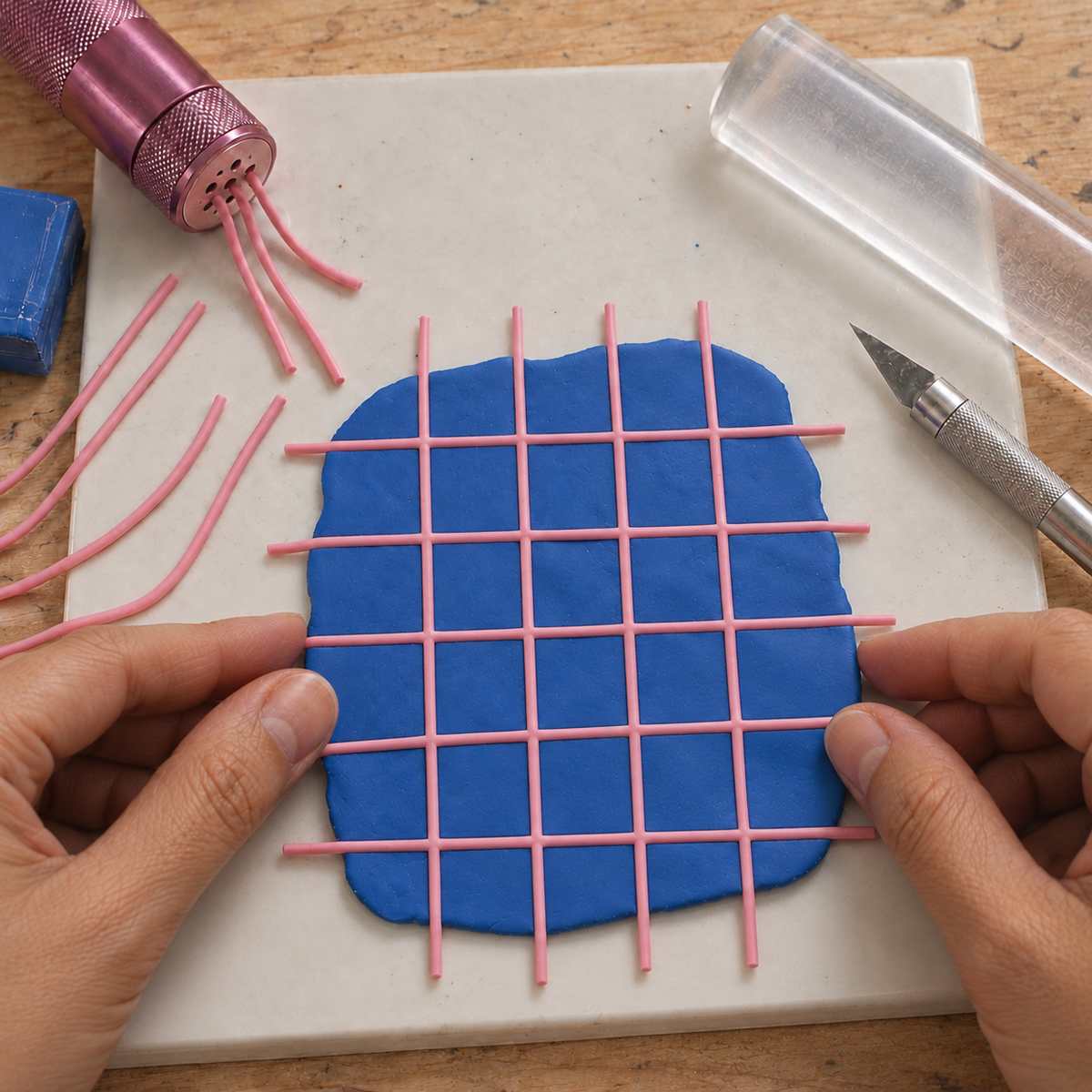
How to make grid-patterned polymer clay slabs
Lay strands of contrasting clay about 1 mm thick across a 3 mm slab, then a second set at right angles. Cover the grid with paper and roll it level between the same 3 mm guides before you cut.
Read the guide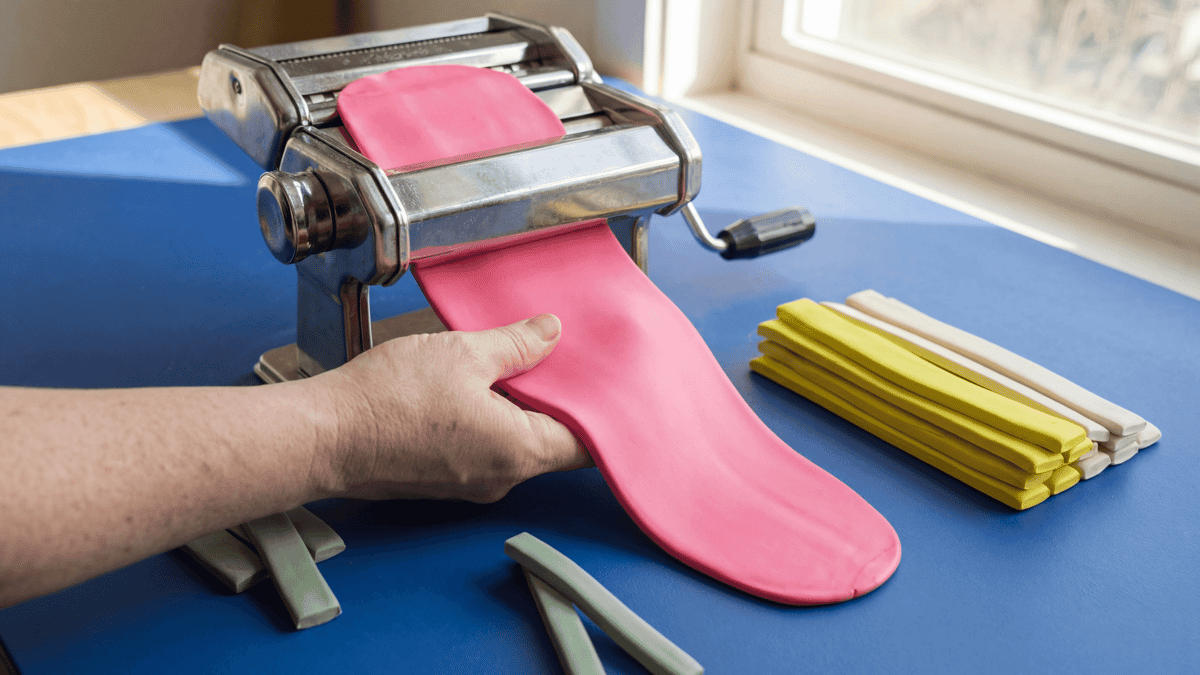
How to condition polymer clay and roll an even slab for cutters
Polymer clay is conditioned when it is smooth, bends without cracking and blends into itself with no visible seam. Roll it on a tile between two guides of the same height until the roller rests on both, and let warm clay firm up before you cut.
Read the guide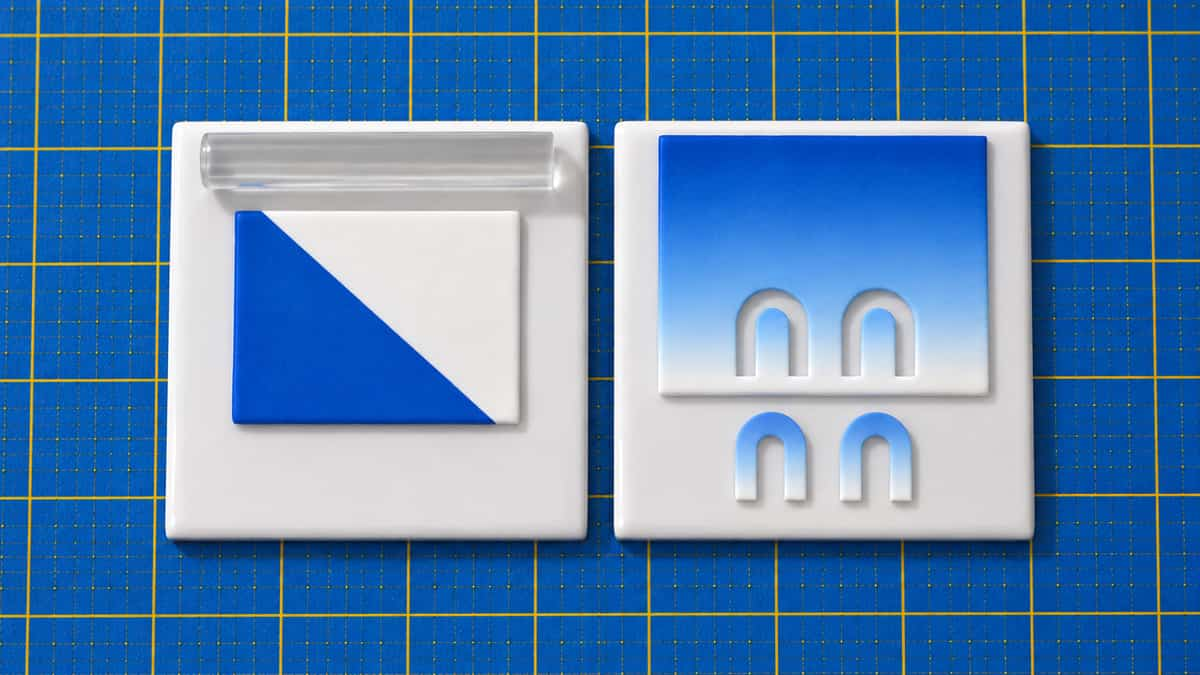
Skinner blend tips for polymer clay: smooth ombre, no muddy middle
Fade one polymer clay colour into another in about 20 fold-and-roll passes, with or without a pasta machine, plus fixes for muddy middles, streaks and bubbles.
Read the guide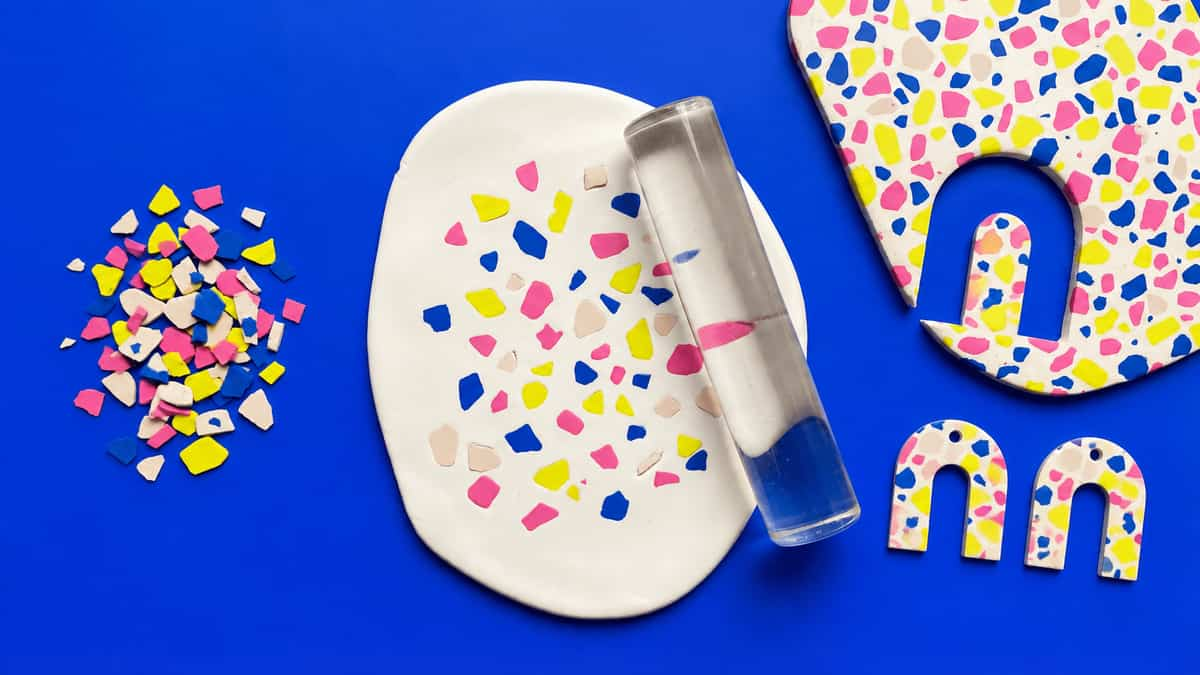
How to make polymer clay terrazzo: chips, slab, cut and sand
Press thin chips of two to four clay colours into a light base about 3 mm thick and roll them flush under paper from all four sides. Cut both earrings from that one slab, then bake and wet sand them for the look of stone.
Read the guide
Layered pixel clay earrings: how to line up thin colour layers without stretching them
Your cutters shape each piece, but you place every colour layer by hand. Lift thin layers on a flat blade, line each one up before any pressure, then press the stack lightly through parchment.
Read the guide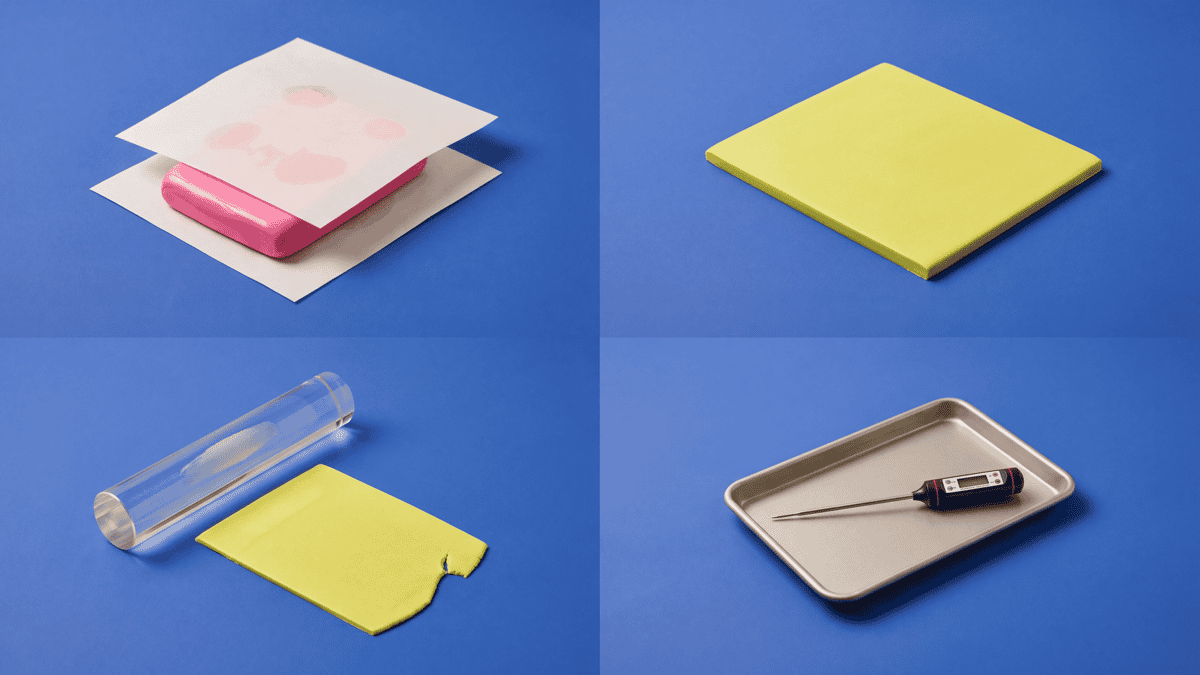
Polymer clay too soft and sticky? How to firm it up
Chill the slab on its tile first. If cuts still stretch, leach part of the clay between plain paper or knead in firmer clay of the same line, and stop once a cut shape lifts clean.
Read the guide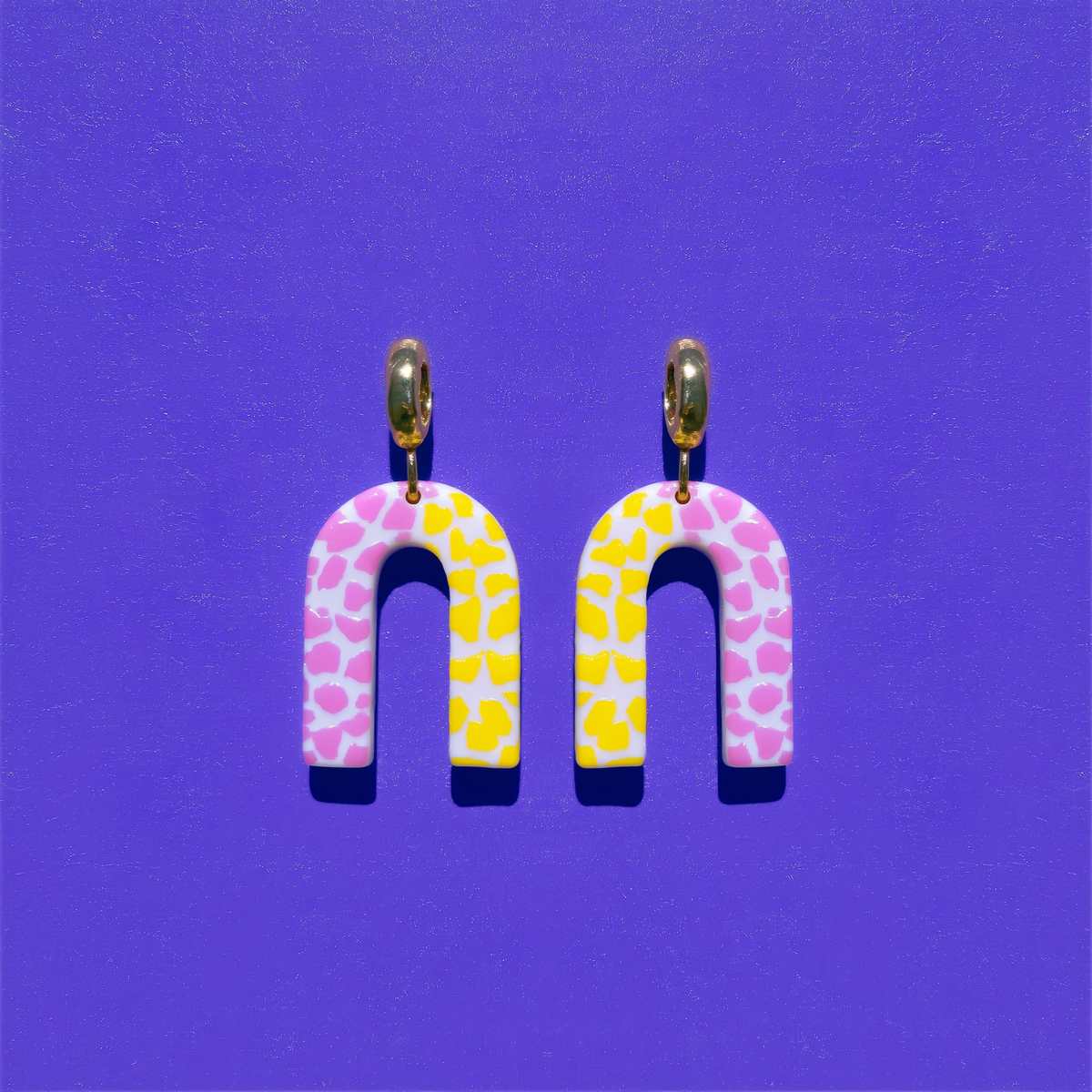
How thick should polymer clay earrings be?
Roll flat earrings about 3 mm thick or a little thinner, measure the raw slab, and size the jump ring, post pad and pasta machine setting to that thickness.
Read the guide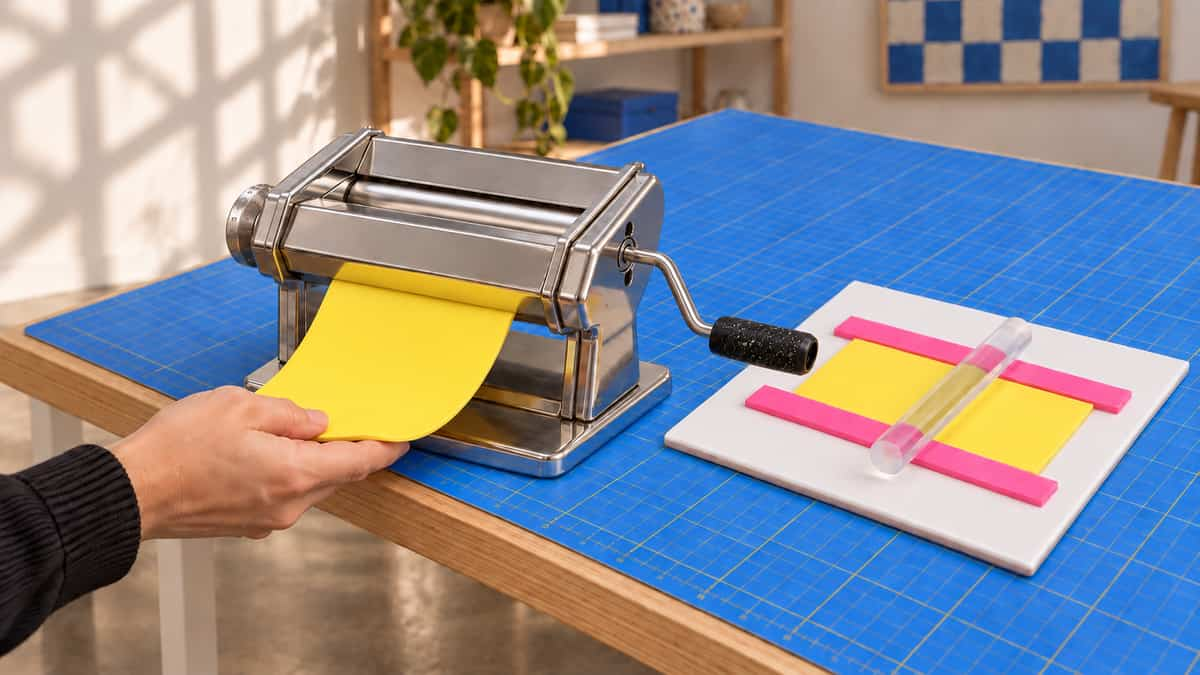
Best pasta machine for polymer clay: Atlas, Sculpey, Makin's or a roller
Buy the Marcato Atlas 150 for earring slabs and blends, or the Atlas 180 for slabs over 14 cm wide. Compare roller widths, measured clay settings and dedicated clay machines.
Read the guideFinished examples
Slab Cutting pieces from the lookbook
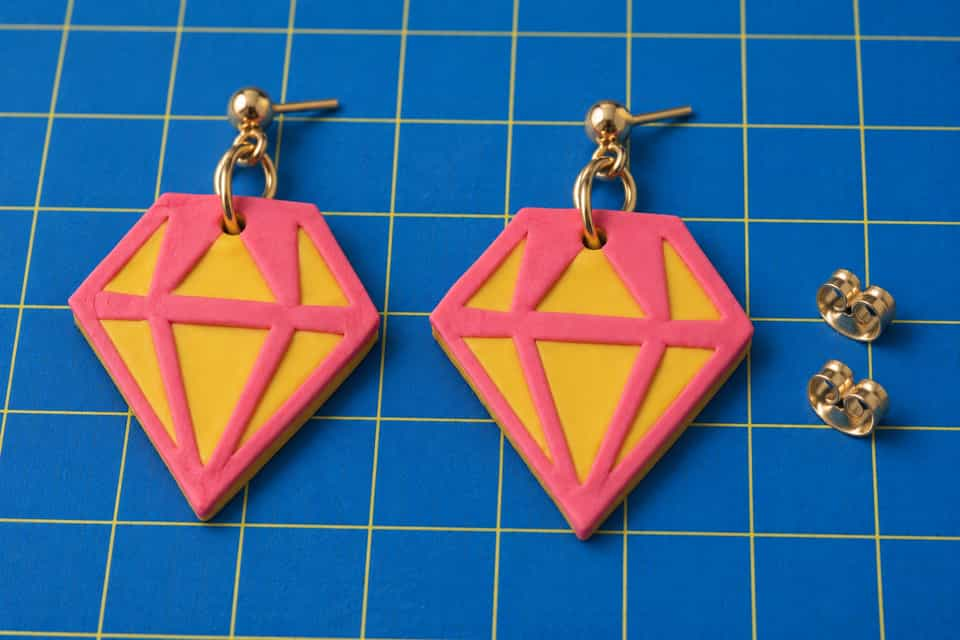
Use these to check cutter shape, negative space, and pattern placement on finished forms.



Tools used in these guides
The 3D-printable tools the slab cutting guides link to. Open one to see what it makes.
Polymer clay slabs
Roll one even slab, then cut every shape from it.
Most flat polymer clay pieces start as one slab rolled to an even thickness and cut into shapes. These guides cover conditioning the clay and rolling it with a pasta machine or roller, building patterned slabs such as Skinner blends, grids and terrazzo, and cutting clean shapes from the finished slab.
Studio notes
Get polymer clay slab cutting notes
New project notes, small checks, and practical links as they publish. Free, no spam, unsubscribe anytime.
By subscribing you agree to get Clay Bake Studio emails about new guides, tools, build kits and offers. Unsubscribe anytime. We do not sell your email. Read our privacy policy.