Surface Effects
Polymer clay surface effects for applying mica powders, acrylic paint washes, and testing clear topcoats on scrap.

Articles
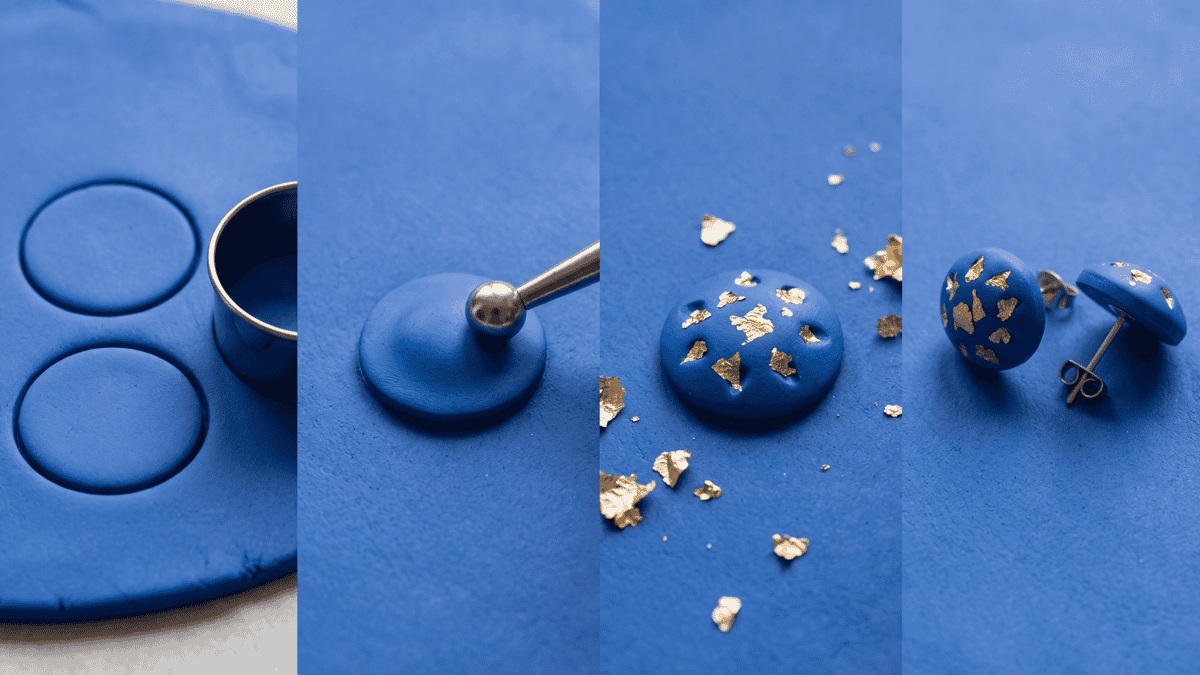
Polymer Clay Domed Studs, Metallic Inlay, and Gilded Details
Domed statement studs stay cleaner when the blank starts as a matched round plaque, the dome stays shallow enough for a flat back, and the metallic detail is pressed in without turning the surface into a lumpy foil patch.
Read the guide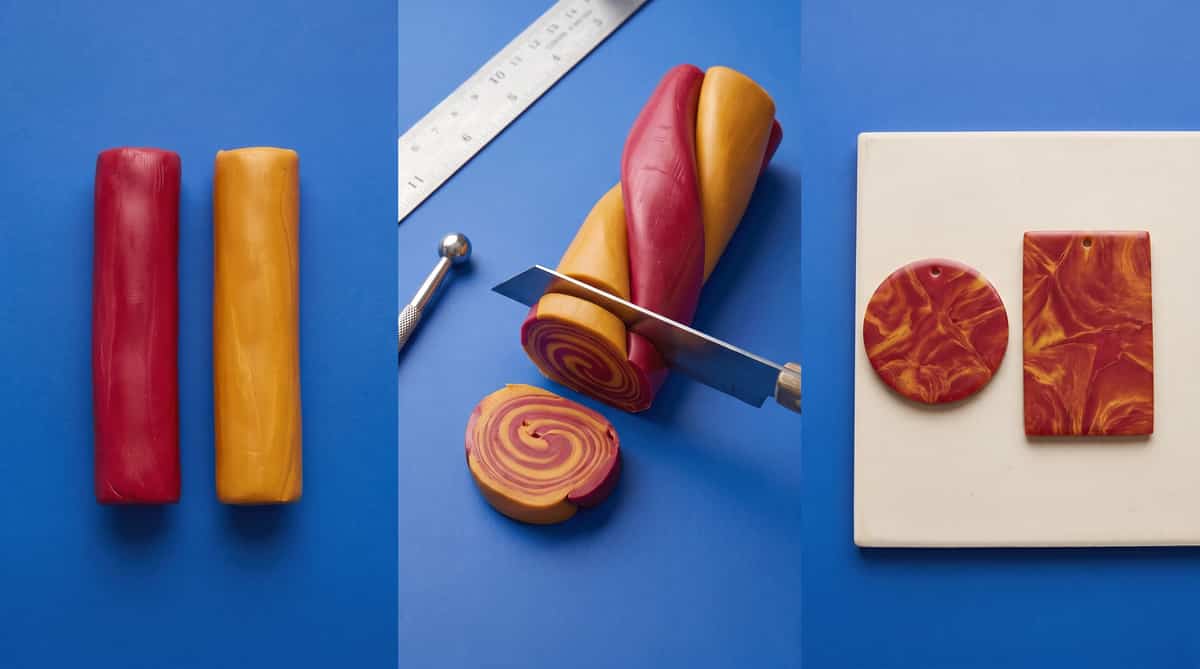
How to Make Faux Bakelite in Polymer Clay (Cherry-Amber Swirl Tutorial)
The cherry-amber faux bakelite look depends on a twisted swirl, not an over-blended marble. This guide covers the color mix, how to stop before the vein muddies, and how to slice the cane so the pattern stays distinct on buttons or drops.
Read the guide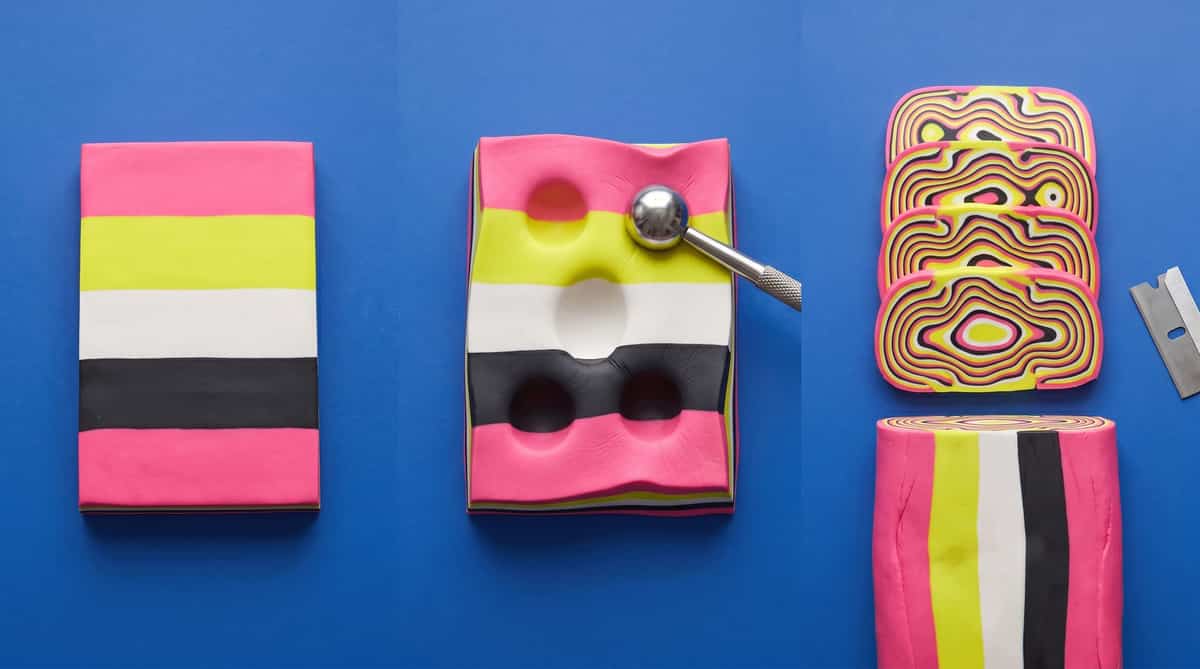
Polymer Clay Mokume Gane: Reduction, Distortion, and Slicing
Mokume gane only reveals its topographic pattern when the stack is distorted before slicing. This guide covers slab thickness, the poke-and-press distortion step, and slicing the stack so each layer makes a clean ring instead of a smear.
Read the guide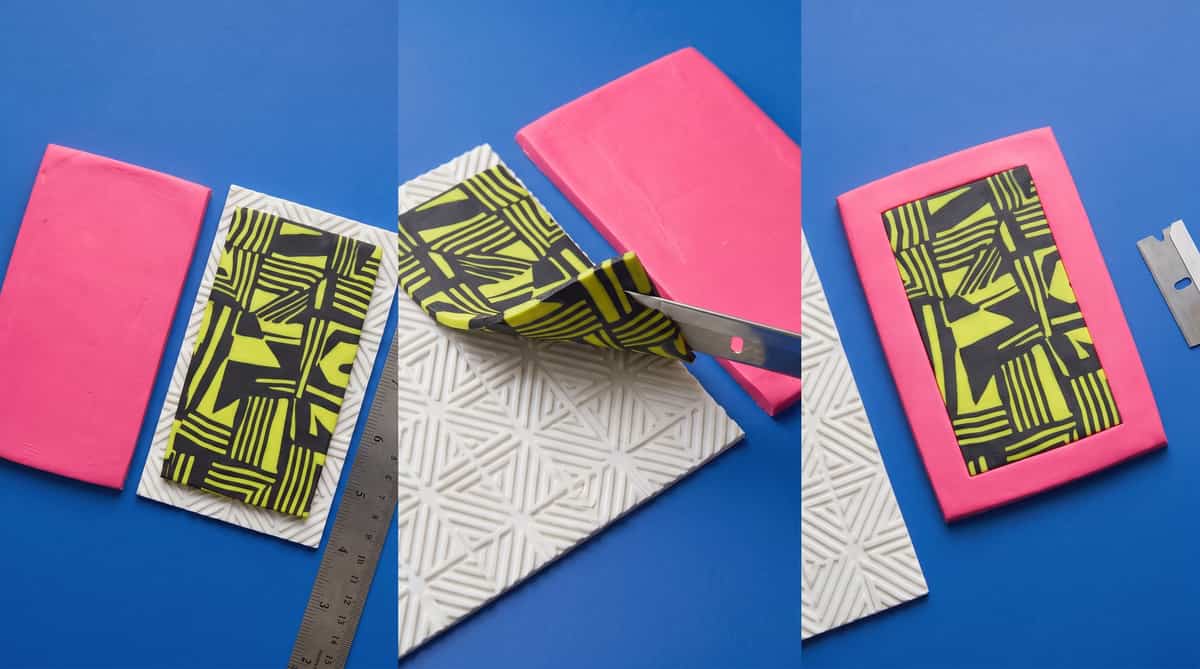
Sculpey Soufflé Sutton Slice: One Official Project
This guide stays within one official Sculpey Soufflé project and does not turn that example into a universal stamp, clay, depth, or transfer rule.
Read the guide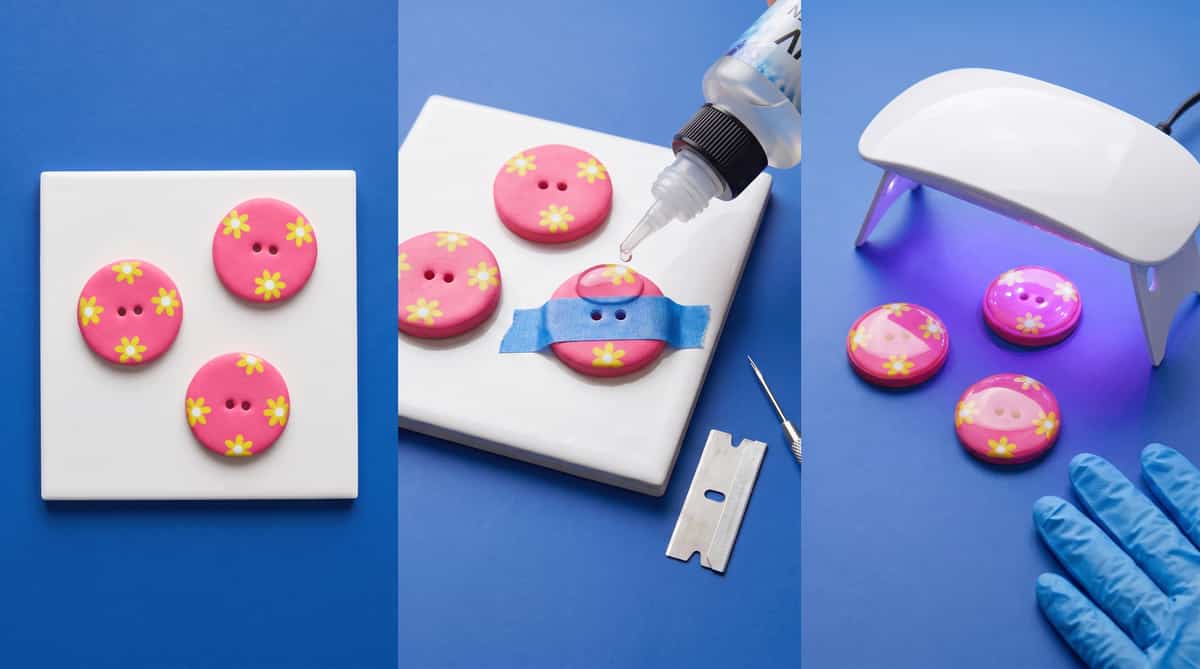
Resin on Polymer Clay: Label-First UV and Epoxy Checks
Bake and cool the clay first, then use the exact resin maker's instructions for compatibility, PPE, lamp or mixing requirements, layer depth, and cure.
Read the guide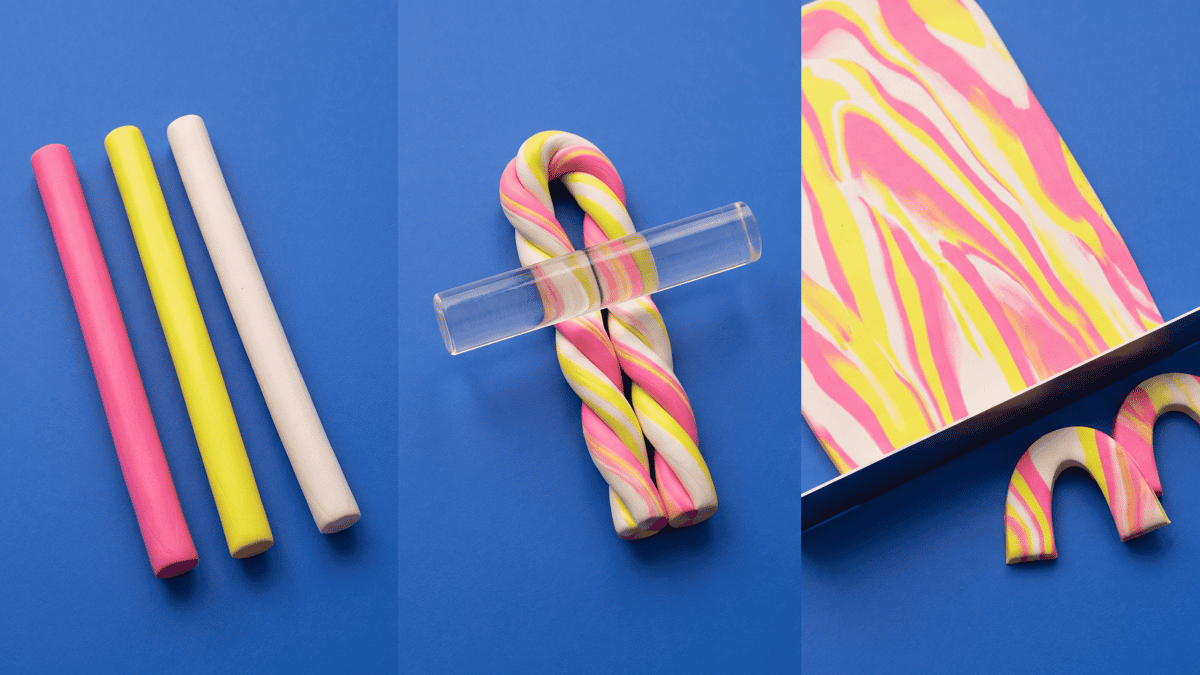
How to Marble Polymer Clay: Beginner Tutorial (Step by Step)
Learn how to marble polymer clay with three colors, a roller, and a blade. A beginner tutorial with pulled, stacked, and tile-cut variations, plus the fix for muddy slabs.
Read the guide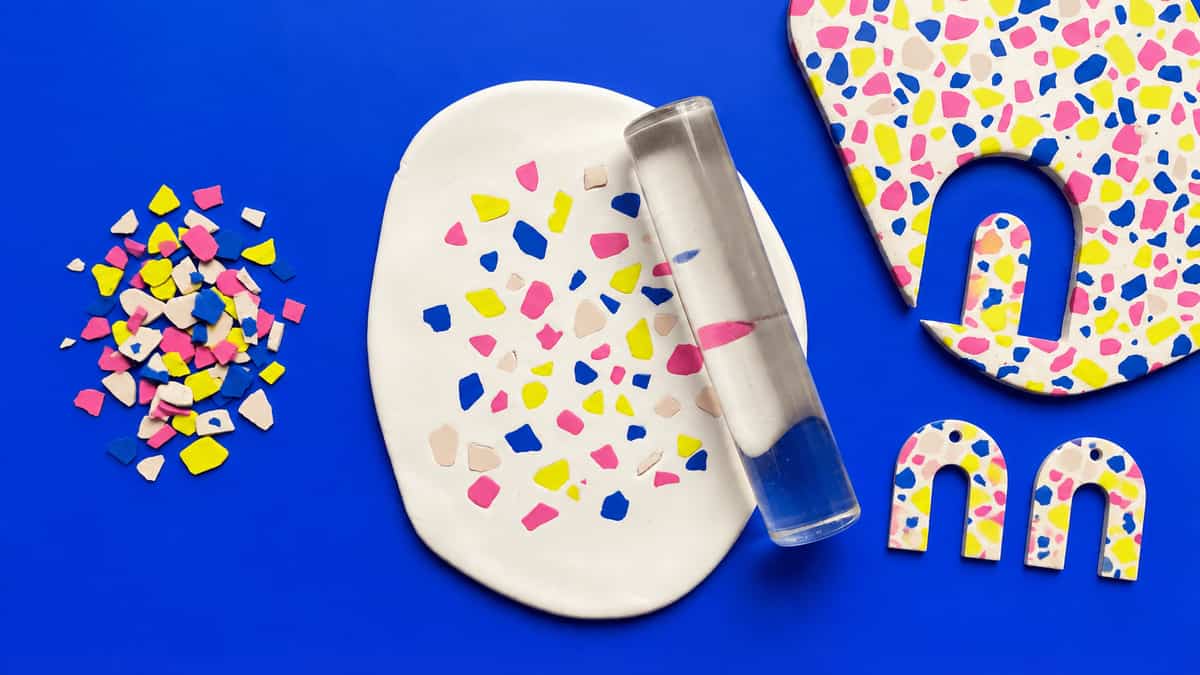
How to make polymer clay terrazzo: chips, slab, cut and sand
Roll thin chips in two to four colours, press them into a light base about 3 mm thick, roll them flush under paper, cut both earrings from the one slab, then bake and sand for the look of stone.
Read the guide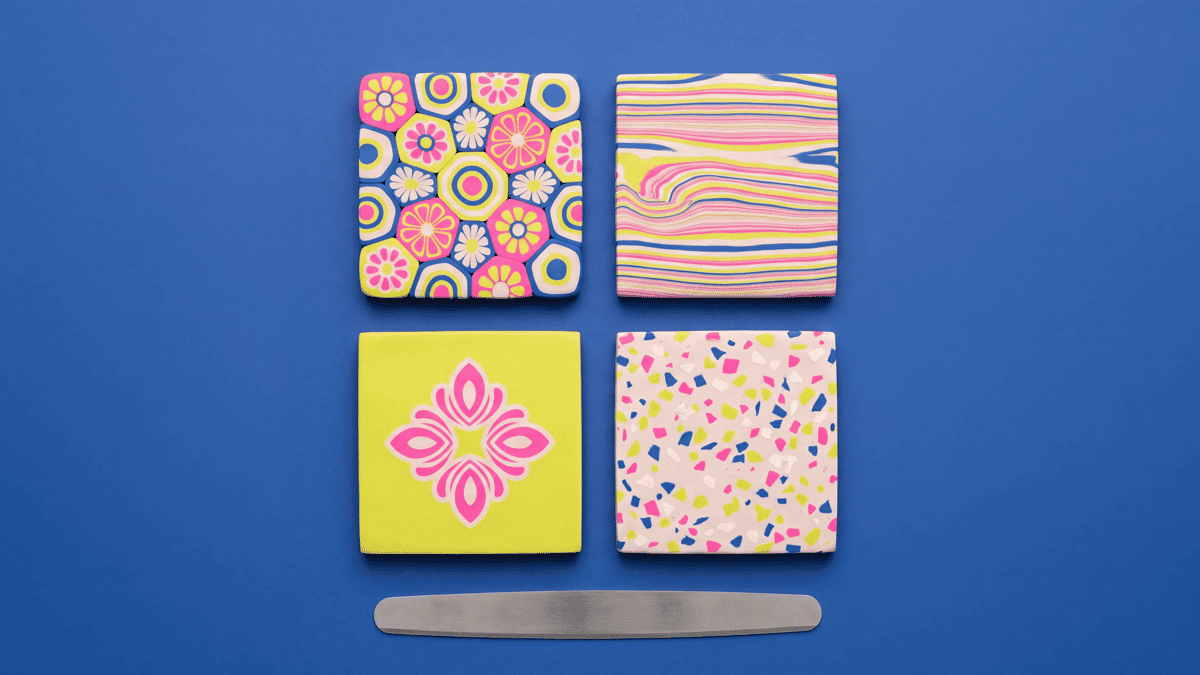
Polymer Clay Surface Effects: Cane, Inlay, Texture, or Print
Choose the surface method by the result you want: cane for a repeating slice pattern, inlay for a pressed two-color pattern, applique for raised motifs, and marbling for irregular color.
Read the guidePolymer clay surface effects
Test the surface effect before coating the pair.
Surface treatments like mica shifts, chalk pastels, acrylic paint washes, and gold leaf add rich depth to your clay, but they may need a compatible finish or cured-clay integration before regular handling. These guides suggest how to apply mica powders, acrylic paint washes, and test clear topcoats on scrap before committing. Always bake and wet-sand a scrap sample to check the result.
Studio notes
Get polymer clay surface effect notes
New project notes, small checks, and practical links as they publish. Free, no spam, unsubscribe anytime.
By subscribing you agree to get Clay Bake Studio emails about new guides, tools, build kits and offers. Unsubscribe anytime. We do not sell your email. Read our privacy policy.