Pro Tips
Advanced polymer clay tips for dust control, quick mold release, post reinforcement, and batch setups.

Articles
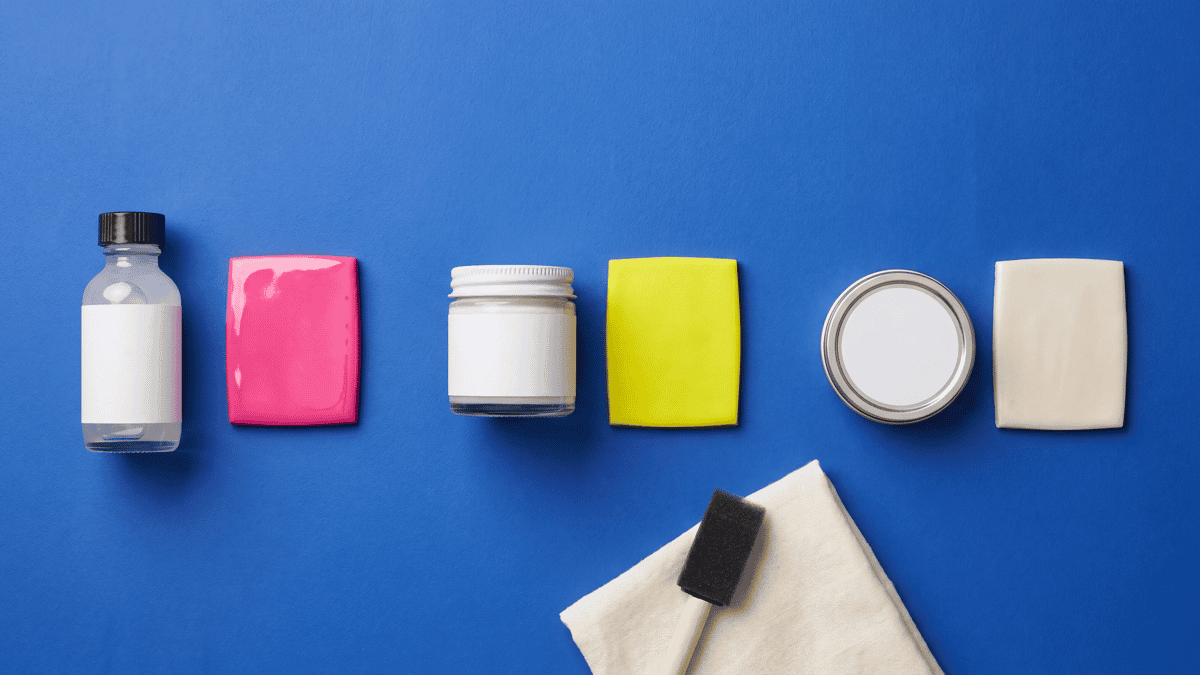
Do You Need a Sealer for Polymer Clay? Compatible Finish Options
Leave a good cured surface bare, or choose one documented water-based finish, test it on the same clay line, and follow the current product label.
Read the guide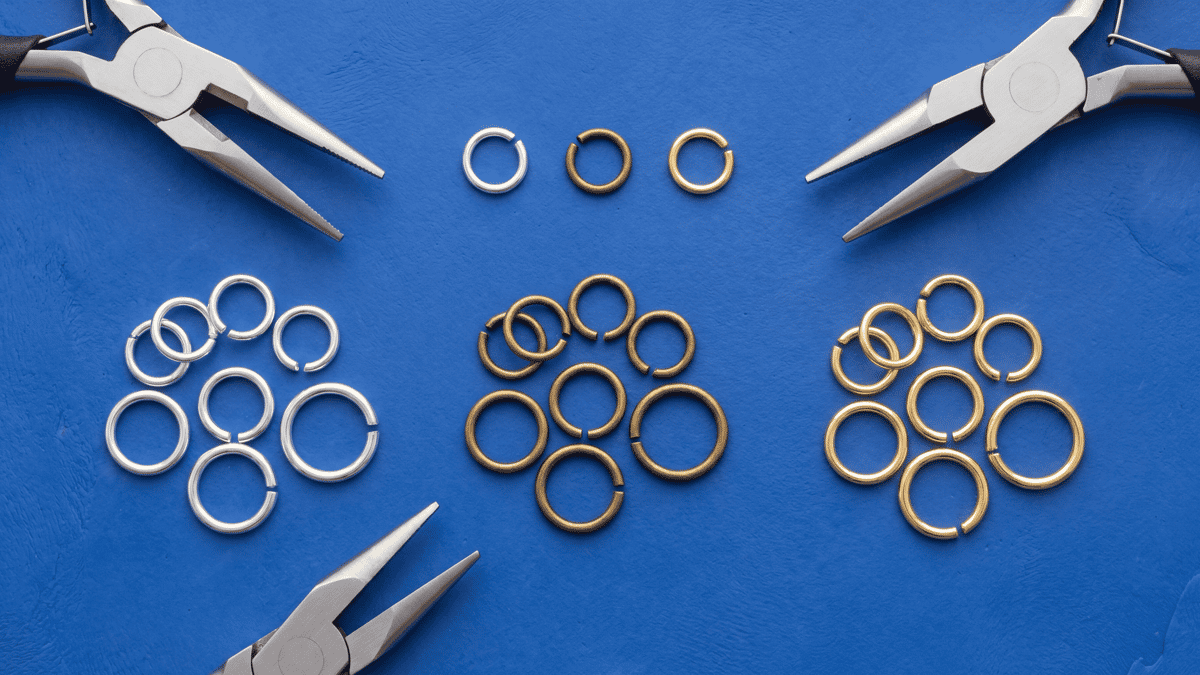
How to choose jump rings for polymer clay jewellery
Learn how to measure jump rings, choose a size that lets your clay earrings swing freely, and open and close the rings with pliers.
Read the guide
Sanding and Buffing Polymer Clay: Pressure and When to Stop
Smooth rough edges on baked clay with wet/dry paper and water. Support small details, remove the scratches from each grit, then hand-buff for a soft sheen.
Read the guide
How to Reverse-Engineer a Polymer Clay Design from a Photo
Separate what a photo shows from what you are inferring, then test one possible construction route on a small scrap-clay sample.
Read the guide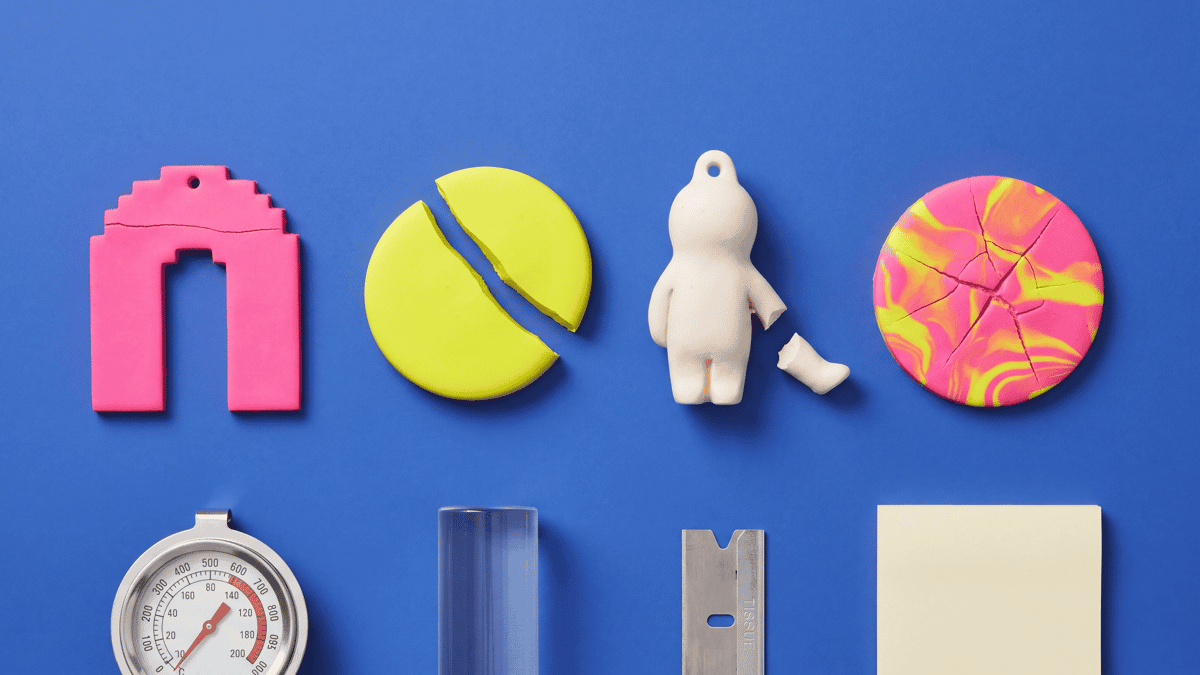
Why Is My Polymer Clay Cracking? Causes and Checks
When polymer clay cracks, check the package bake, measured oven temperature, conditioning, thickness, and support before assigning one cause.
Read the guide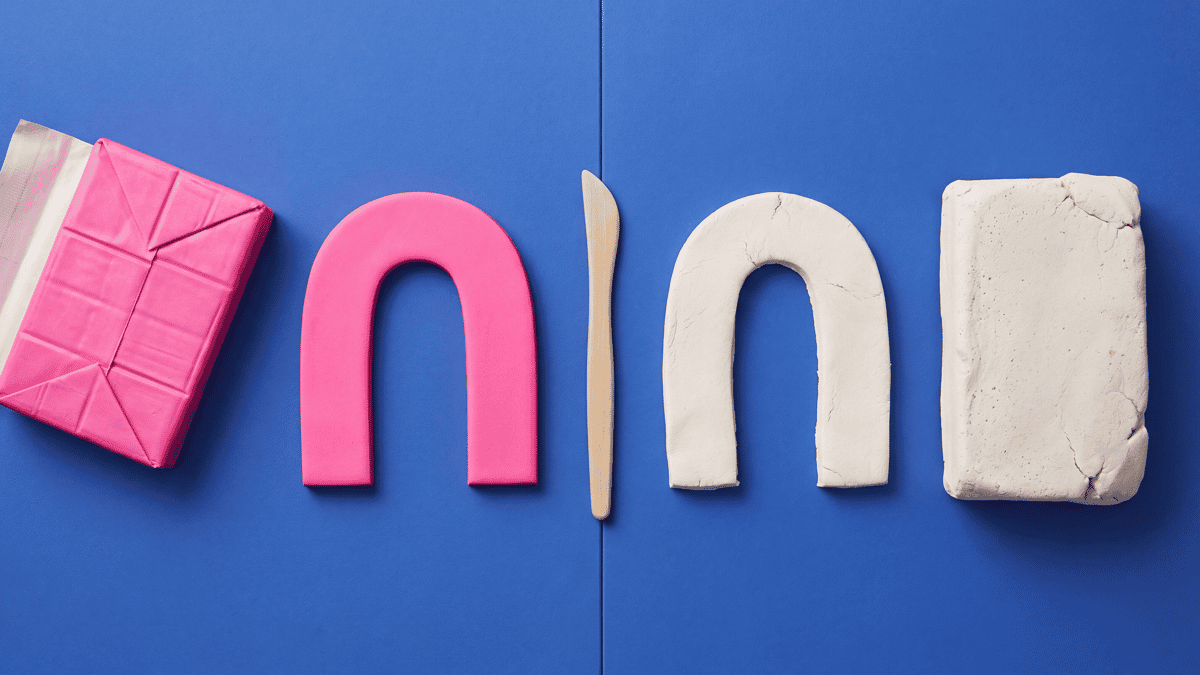
Polymer Clay vs Air Dry Clay: Which to Use
Compare exact product instructions rather than transferring cure, drying, moisture, thickness, or safety claims across two broad clay categories.
Read the guide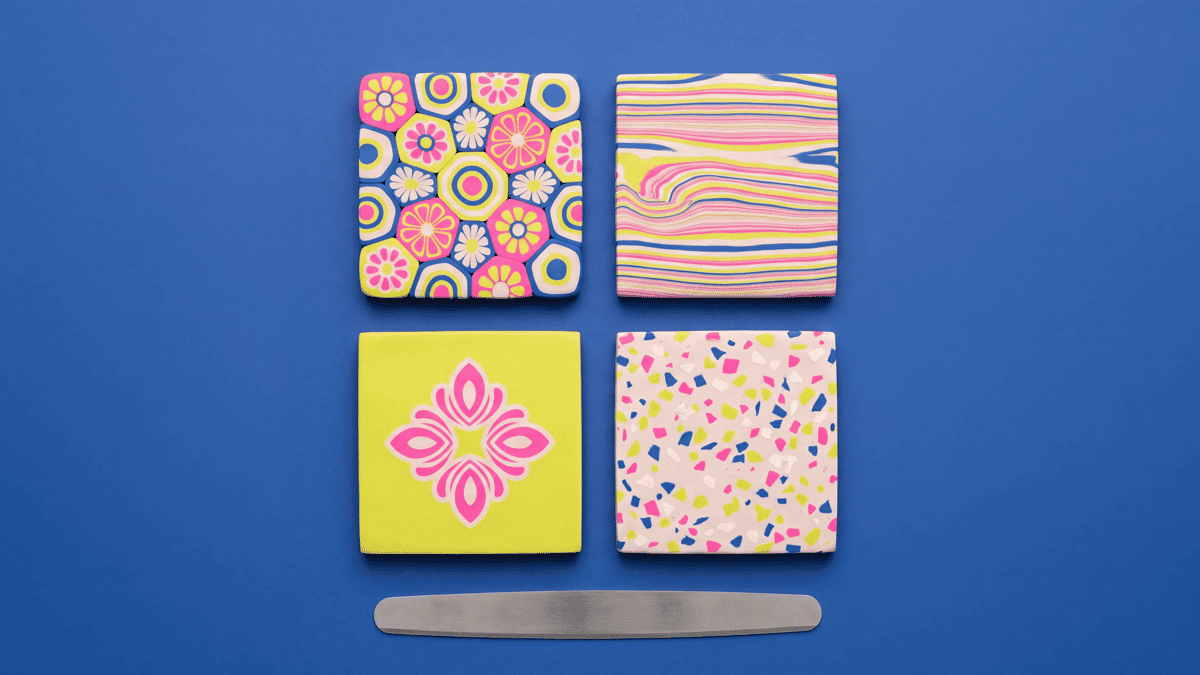
Polymer Clay Surface Effects: Cane, Inlay, Texture, or Print
Choose the surface method by the result you want: cane for a repeating slice pattern, inlay for a pressed two-color pattern, applique for raised motifs, and marbling for irregular color.
Read the guide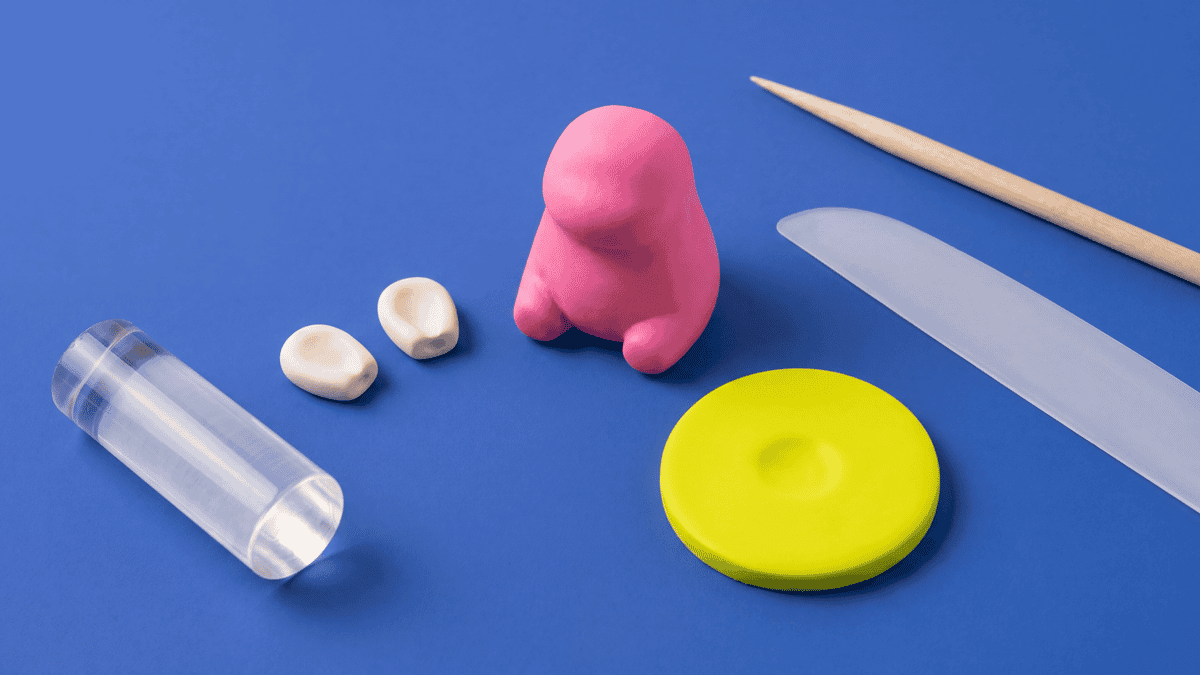
Polymer Clay Assembly: Build Order and Join Planning
Choose the bake surface, support, and build order before making the piece. Use an armature when the form and clay maker's guidance call for one.
Read the guide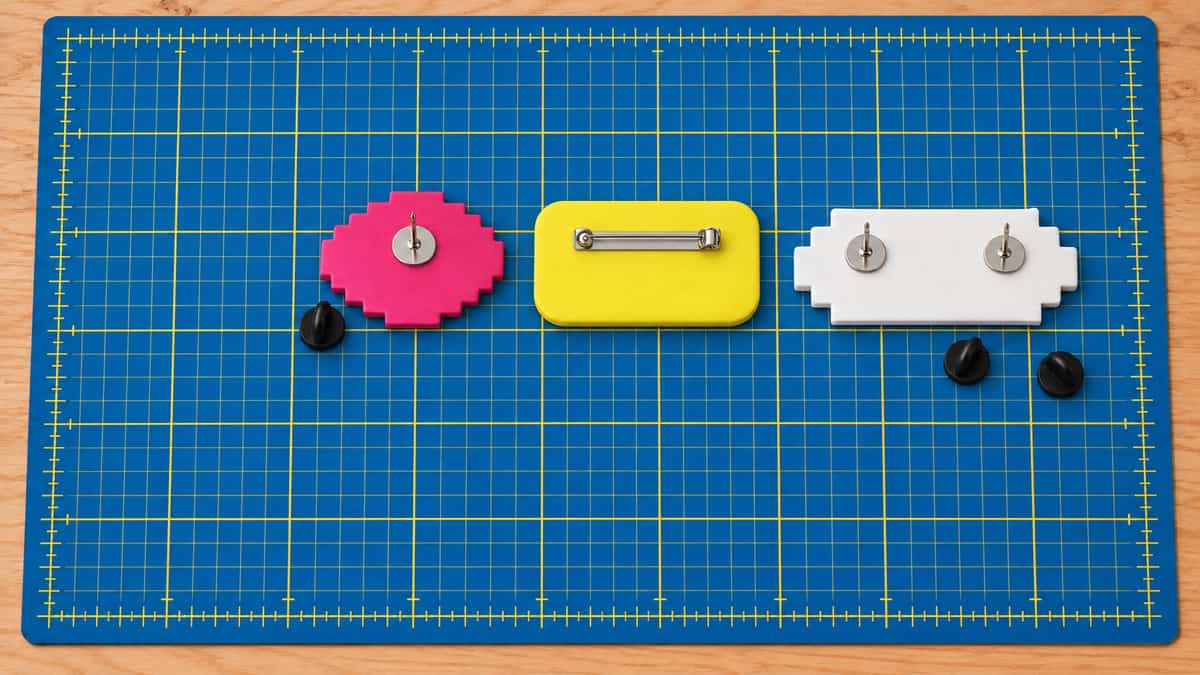
Brooch backs for polymer clay: which pin to choose before you bake
Tie-tack, bar pin, locking clutch or magnet: which brooch back suits a flat clay piece, and what to leave on the back of the clay before it goes in the oven.
Read the guidePolymer clay pro tips
Use small checks to clean up a familiar workflow.
When the basics already make sense, one small adjustment can fix the part that keeps bothering you. These pro tips suggest solutions for common studio annoyances, including keeping lint out of white clay, lifting delicate cutouts without warping, and achieving a flat back. Try one small change in your next batch and compare the results.
Studio notes
Get polymer clay workflow notes
New project notes, small checks, and practical links as they publish. Free, no spam, unsubscribe anytime.
By subscribing you agree to get Clay Bake Studio emails about new guides, tools, build kits and offers. Unsubscribe anytime. We do not sell your email. Read our privacy policy.