How to Reverse Engineer Any Clay Design You See Online
Learn a structured way to study construction, layers, color choices, and finishing clues from a reference photo without copying it line for line.
Use this reference planas a maker reference, not a final spec. Some pages are researched and drafted with AI assistance, then reviewed by our team. Clay lines, ovens, tools, adhesives, and finishing products behave differently, so check your clay brand's instructions plus manufacturer safety guidance before baking, finishing, or attaching hardware.
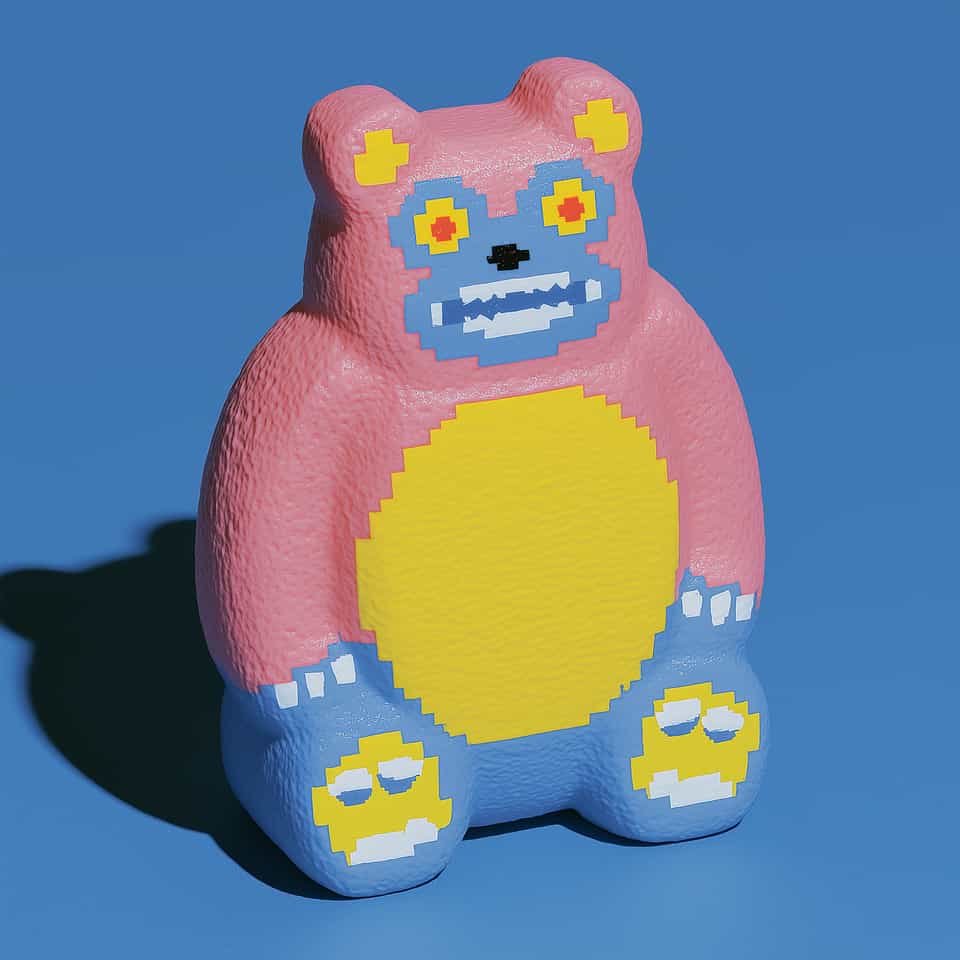
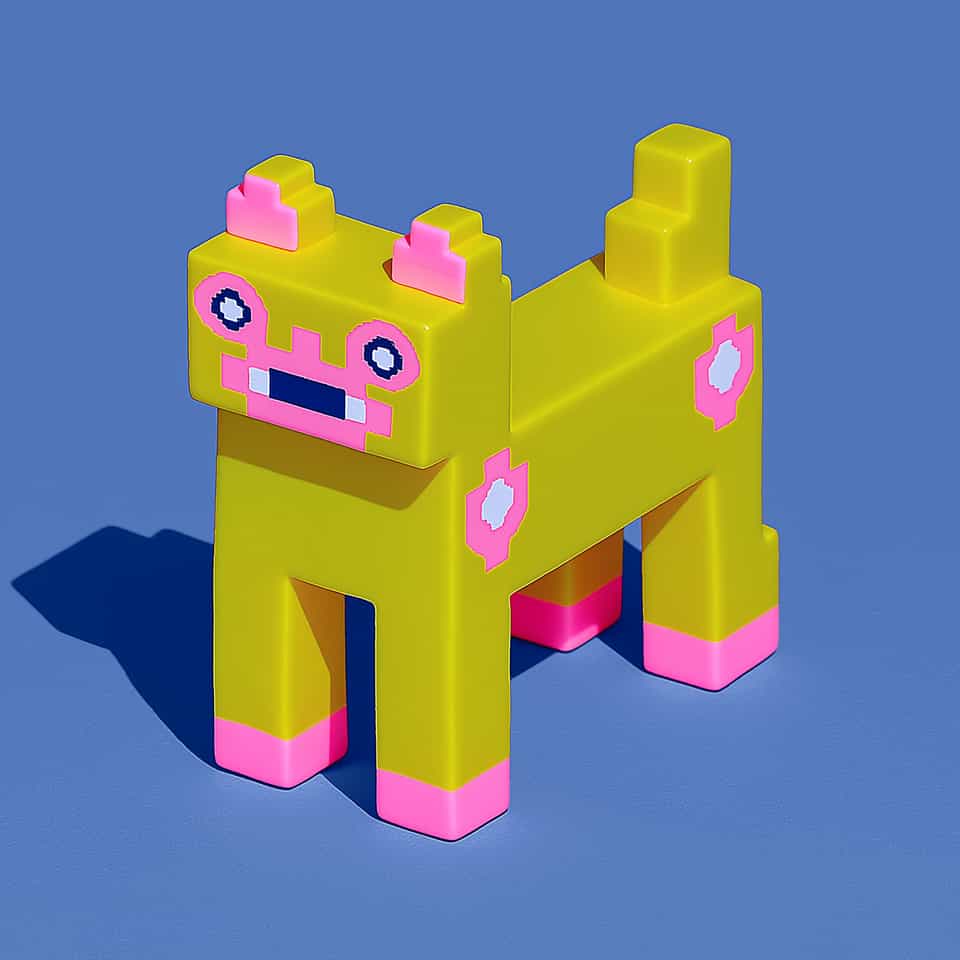
Treat the bear as a stacked voxel build: lock the square head, torso, limbs, and paws first, then layer in the muzzle, sweater band, and belly motif once the silhouette is balanced. Keep the edges crisp enough to read as pixel construction, but still smooth the transitions where the character needs to feel handmade.
A quick read on the clay method, surface finish, and effort level before you start gathering tools.
Dimensions, motif spacing, and step timing below are build-ready estimates inferred from the reference image and the listed technique. Verify measurements against your own setup before cutting or assembling.
Work in sequence so the form, thickness, surface detail, and finishing stay controlled from prep through bake.
Block the head, torso, arms, legs, and paws as separate square-edged masses before refining the pose.
Keep the chest, muzzle, and sweater bands aligned so the front read stays centered.
Add the pixel face details and small color accents in layers after the main body is stable.
Bake with the figure supported so the limbs and feet do not twist or slump.
Cool fully, then only polish or seal lightly if you want the same smooth toy-like read.
Start with the core build kit, then add optional finishing or hardware only if it fits the version you want to make.
Helpful for crisp corners, fine inside cuts, and cleaner pattern edges on graphic builds.
Useful for piercing holes, nudging seams into place, and refining small details before baking.
A roller helps keep slabs even when you do not need a full pasta machine setup.
Some links in this build guide are affiliate links. If you buy through them, we may earn a small commission at no extra cost to you. That support helps keep our guides and research free. As an Amazon Associate I earn from qualifying purchases. We choose products we think are relevant to the build, but check the listing details, dimensions, and material fit for your own setup before you buy.
Read the technique guides that matter most for building this piece, refining the finish, or avoiding the most common mistakes.

Learn a structured way to study construction, layers, color choices, and finishing clues from a reference photo without copying it line for line.

A stainless cutter starter set in repeatable shapes is usually easier to learn with than a large novelty bundle. Clean release and even slab thickness matter more than a long shape list.
Explore adjacent builds with similar form, finish, or construction ideas.
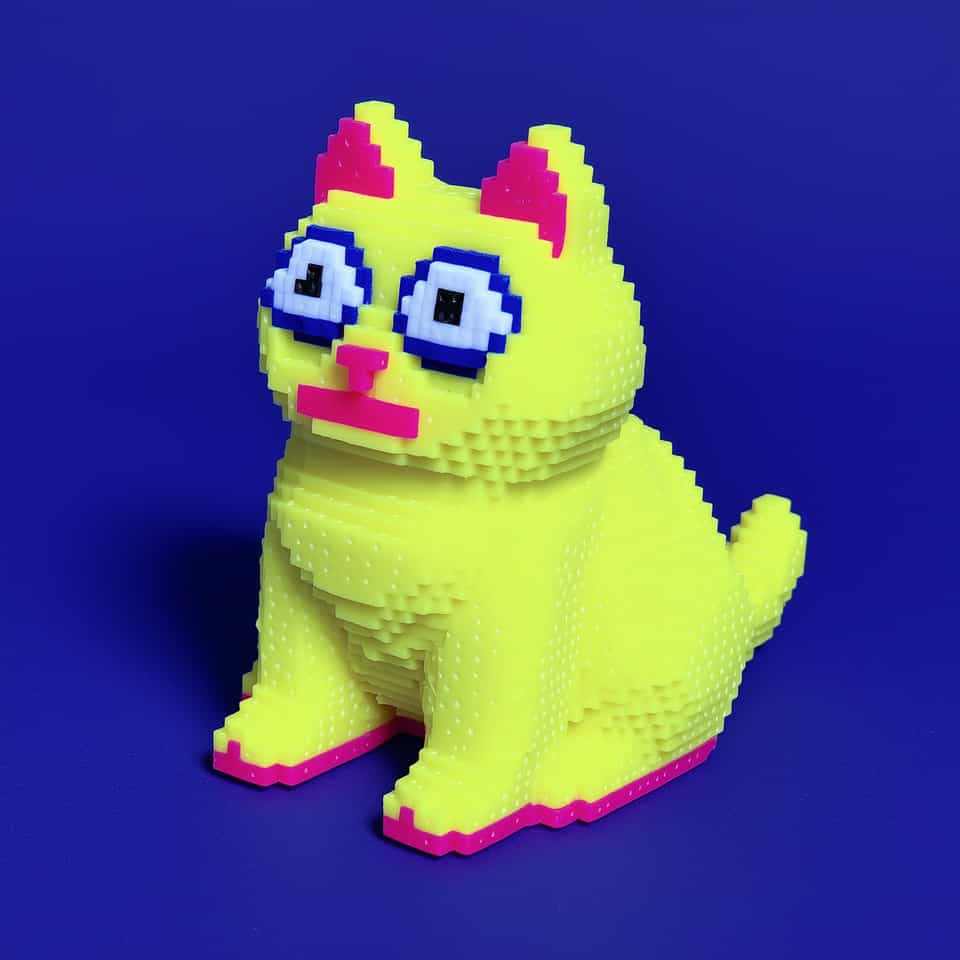
Yellow and Pink Pixel Cat Sitting Figurine
Pink Rounded Pixel Bear Figurine
Pink Block-Built Pixel Bear Figurine
Pink Textured Pixel Bear Figurine
Start with the cutter setup, thickness control, and clay that behave predictably. Clean edges come from the system, not just the shape.
See all guides
CuttersStart with a sharp stainless cutter set in circles, arches, or ovals. Clean release and repeatable slab thickness matter more than having dozens of shapes on day one.
Starter kitA practical first order can stay focused: clay, a tile, an acrylic roller, a tissue blade, and an oven thermometer.
Keep this build handy while you test your own version.
Tag #ClayBakeStudio on Instagram or TikTok.