Polymer Clay Pixel Slabs, Stepped Layers, and Mirrored Pairs
Graphic lips, eyes, mushrooms, and badge-like brooches are often easier to build as flat or gently domed pixel slabs. This guide covers crisp staircase edges, stacked layers, and ways to keep left and right pieces matched.
In brief
Key takeaways
- 1Start with one clean template and cut both sides from the same setup so the pair actually matches
- 2Keep every sheet at a repeatable thickness before stacking or the stepped edge drifts fast
- 3Press layered pixel pieces together just enough to bond without rounding off the staircase edge
- 4Plan holes, jump rings, or brooch placement around the balance of the finished shape, not just the raw blank
Pixel-style polymer clay pieces look playful because the edges stay deliberate. The moment the steps blur, the sheets drift to different thicknesses, or the pair stops matching, the whole thing starts feeling accidental instead of graphic.
The good news is that most of these builds do not need complicated sculpting. They need cleaner slab logic: even sheets, one reliable template, planned layering order, and hardware decisions made before you reach for any finish.
Maker reference
Maker reference only. Verify brand instructions, seller details, dimensions, and safety guidance for your own setup.
Affiliate note
Some links in this article are affiliate links. If you buy through them, we may earn a small commission at no extra cost to you. As an Amazon Associate I earn from qualifying purchases.
Start With Even Sheets
Pixel pieces fall apart visually when one layer is thicker than the next, because the staircase edge stops reading as intentional.
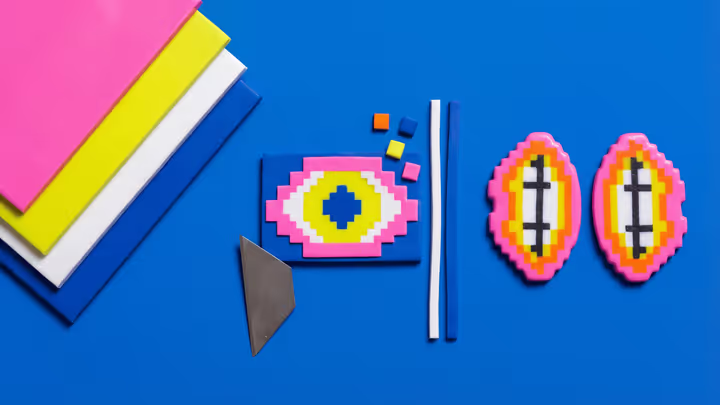
Condition the clay until it rolls smoothly, then use thickness guides, a roller, or a pasta machine to keep the sheets repeatable. This matters on eyes, lips, badges, and mushrooms because the edge profile is part of the design, not just a construction detail.
Thickness guide strips make it much easier to keep the steps consistent from one layer to the next.
Use One Template For Mirrored Pairs
If the build is an earring pair, cut both sides from the same template and the same setup before the clay changes softness.
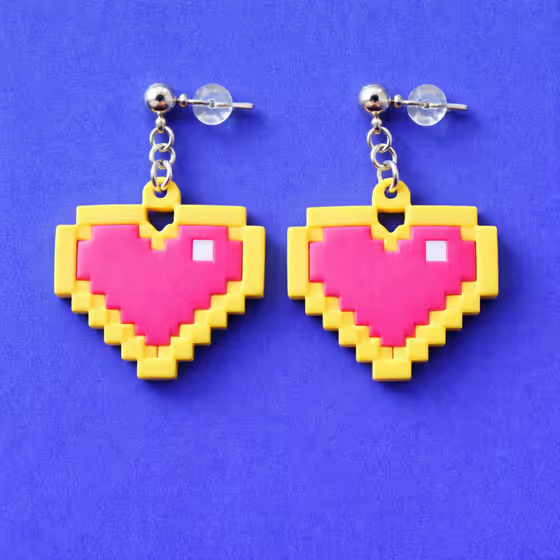
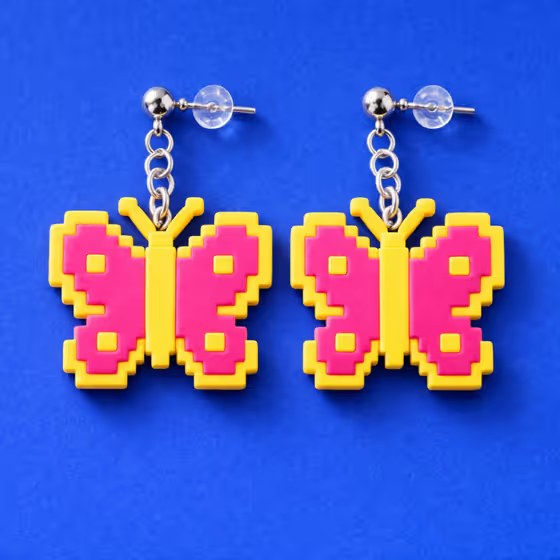
This is the simplest way to avoid a left side that looks sharper, fatter, or taller than the right. For lips, hearts, butterflies, and other graphic silhouettes, make the pair first and only then start placing internal color blocks.
Keep The Edge Crisp While You Stack
Attach the layers with just enough pressure to bond them. If you flatten the face while you are still building it, the staircase edge disappears.
Clay Blade Set is useful here because it trims corners and stepped inserts more cleanly than a craft knife once the shapes get small.
For a flat badge-like piece, keep everything nearly flush. For a dome, like a layered eye brooch, keep the rear side broad and stable while the front rises in measured steps.
Plan The Hardware Before Bake
Graphic pieces need the hardware to support the read, not fight it.
Ask three questions before the piece goes into the oven:
- Where is the real visual centerline?
- Will the jump ring or brooch pad pull the piece off balance?
- Do I need one top hole, two hanging points, or a flat back zone?
That is what gives a lip earring a better chance of hanging straight and helps you catch a stepped eye brooch that wants to sag forward on fabric before you finish the piece.
When To Bake Flat And When To Support The Shape
Flat earrings and badges are often easiest to cure on a tile if your clay line supports that setup. Gently domed or stacked forms may need light support so the profile stays intentional.
If the piece is mostly flat, keep it flat. If the front is built as a shallow dome, use the smallest amount of support that protects the shape without imprinting the face.
Acrylic roller is still worth having even on heavily graphic builds because clean sheets are what make the stepped edge possible in the first place.
Finish Quietly
Do not let the finish do the design work. The edge, color blocking, and hardware balance should already be carrying the piece before you add any shine.
If the piece needs gloss, use a light coat so the steps still stay visible, and test that finish on a baked sample first. If the surface already looks good after cure, buffing or leaving it alone may be the cleaner move.
Use This Guide With The Lookbook
If an item page mentions pixel slabs, stepped layers, or mirrored pairs, use this guide as the build grammar behind the design.
It is most useful for:
- pixel lips and other mirrored earring pairs
- stepped eye brooches and badge-like pins
- graphic flat builds where edge clarity matters more than sculpted volume
Take the next step
Continue the series with the next guide in this path.