Techniques
Polymer clay technique guides for conditioning blocks, reduction caning, slab construction, and hardware joins.

Articles
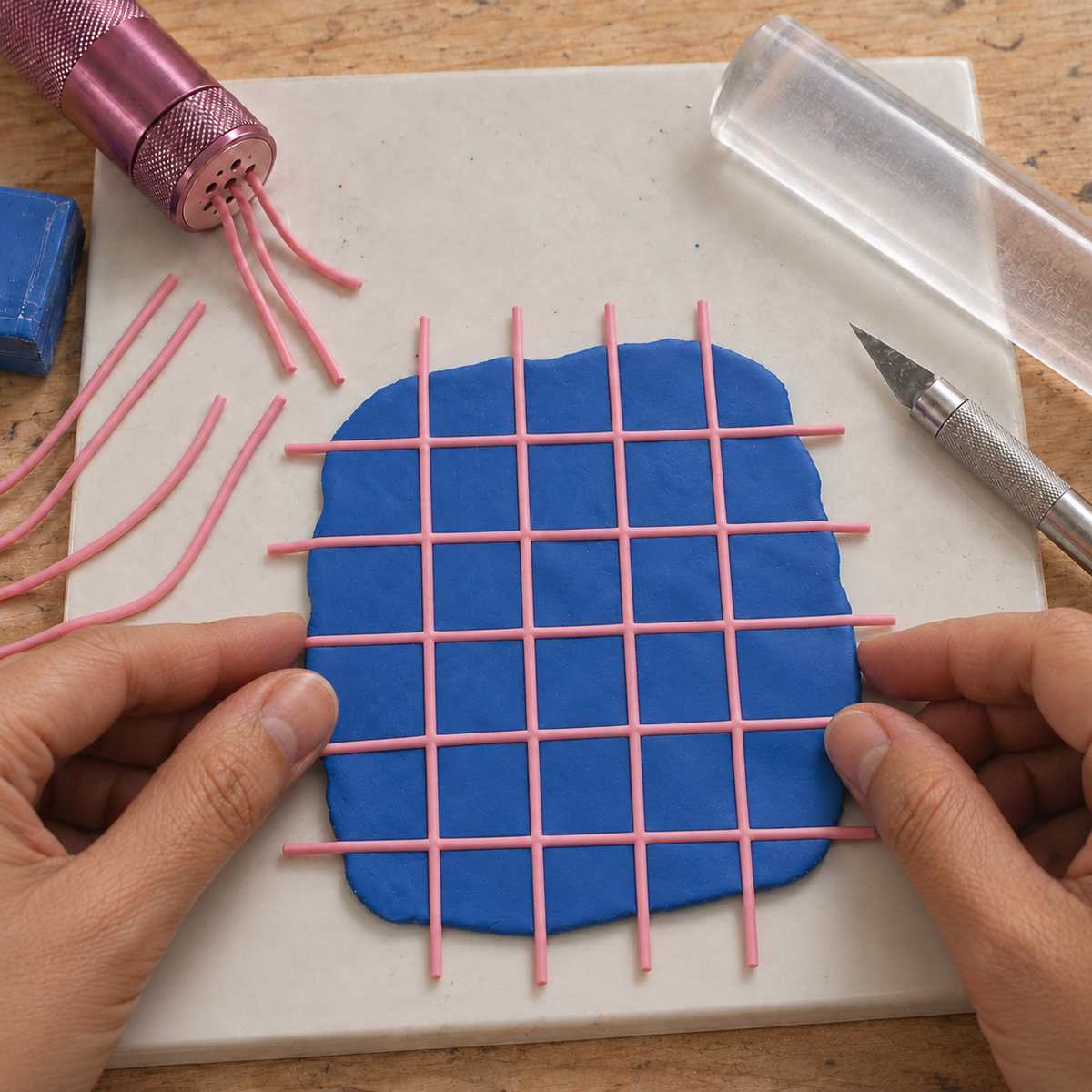
How to make grid-patterned polymer clay slabs
Lay thin strands of contrasting clay in two directions, then roll the grid into your slab before cutting. Follow the four illustrated steps.
Read the guide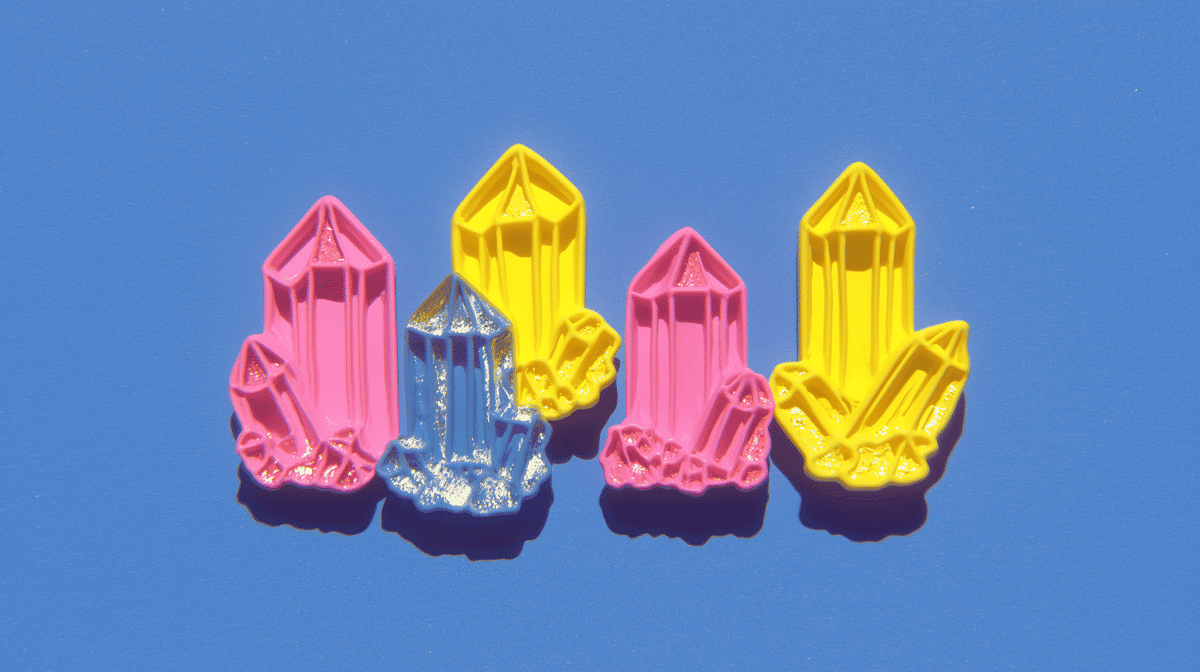
Sanding and Buffing Polymer Clay: Pressure and When to Stop
Smooth rough edges on baked clay with wet/dry paper and water. Support small details, remove the scratches from each grit, then hand-buff for a soft sheen.
Read the guide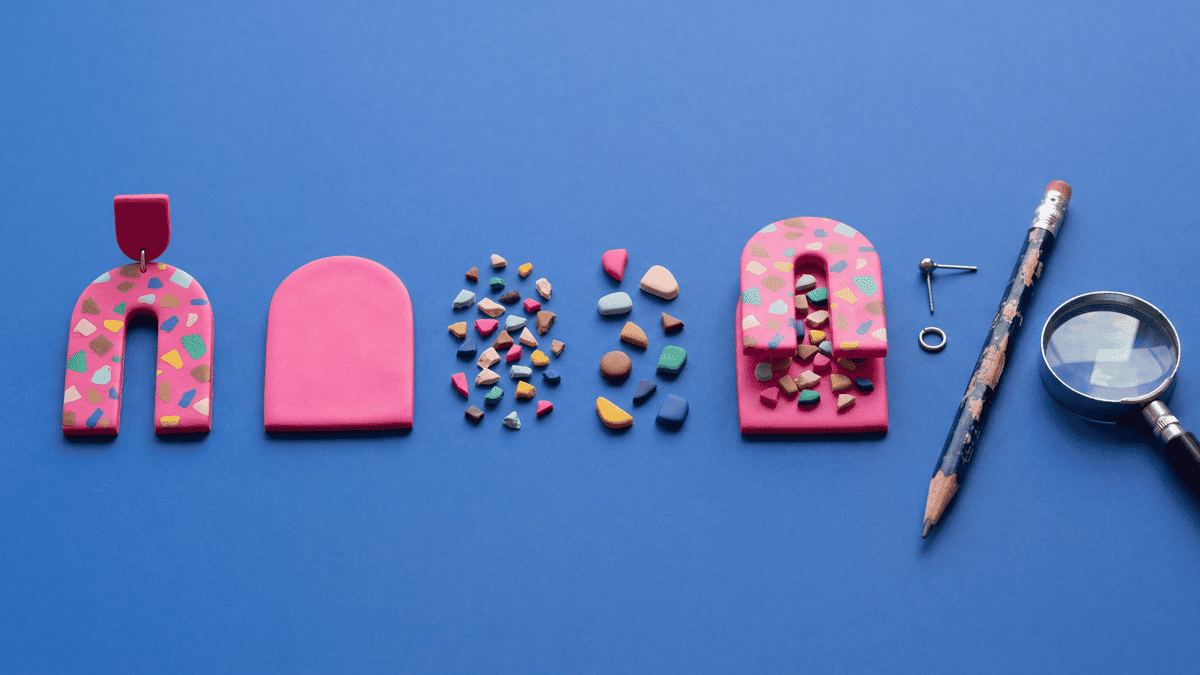
How to Reverse-Engineer a Polymer Clay Design from a Photo
Separate what a photo shows from what you are inferring, then test one possible construction route on a small scrap-clay sample.
Read the guide
Faux Stone and Translucent Effects With Cernit Tests
Choose one Cernit Translucent product, make one small visual study, follow its exact package, and keep the result tied to the recorded sample.
Read the guide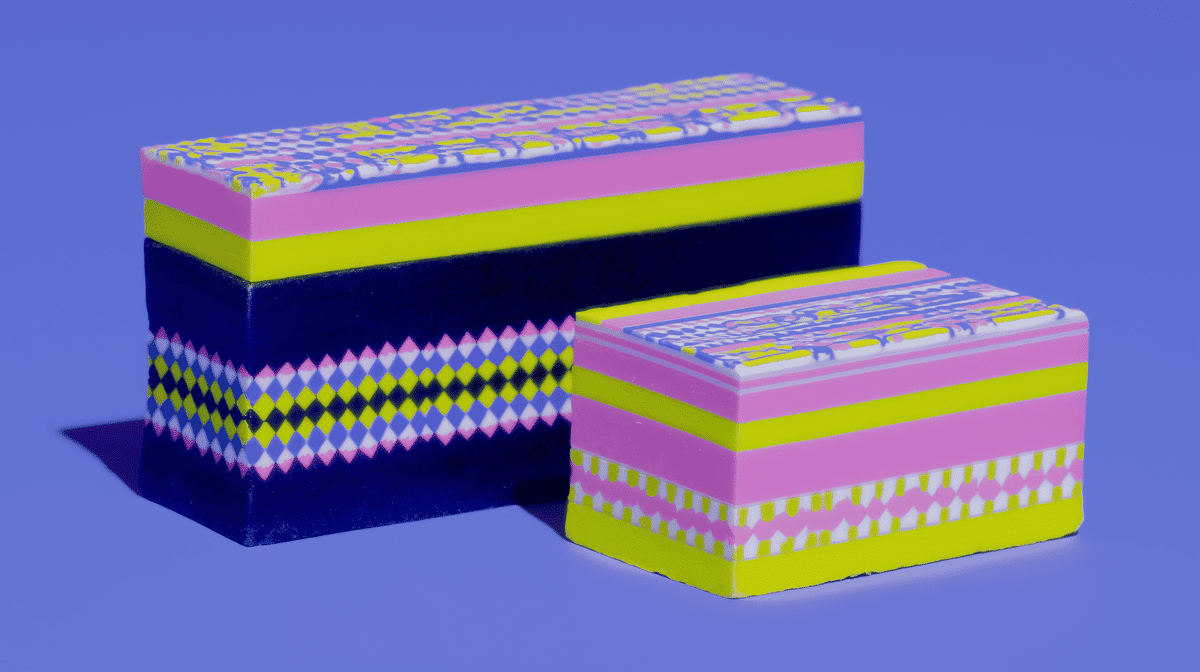
Layered Polymer Clay Pattern Block (Nerikomi-Inspired)
Stack contrasting sheets of polymer clay into a small block, slice across the layers to reveal the pattern, and bake a slice by its package directions.
Read the guide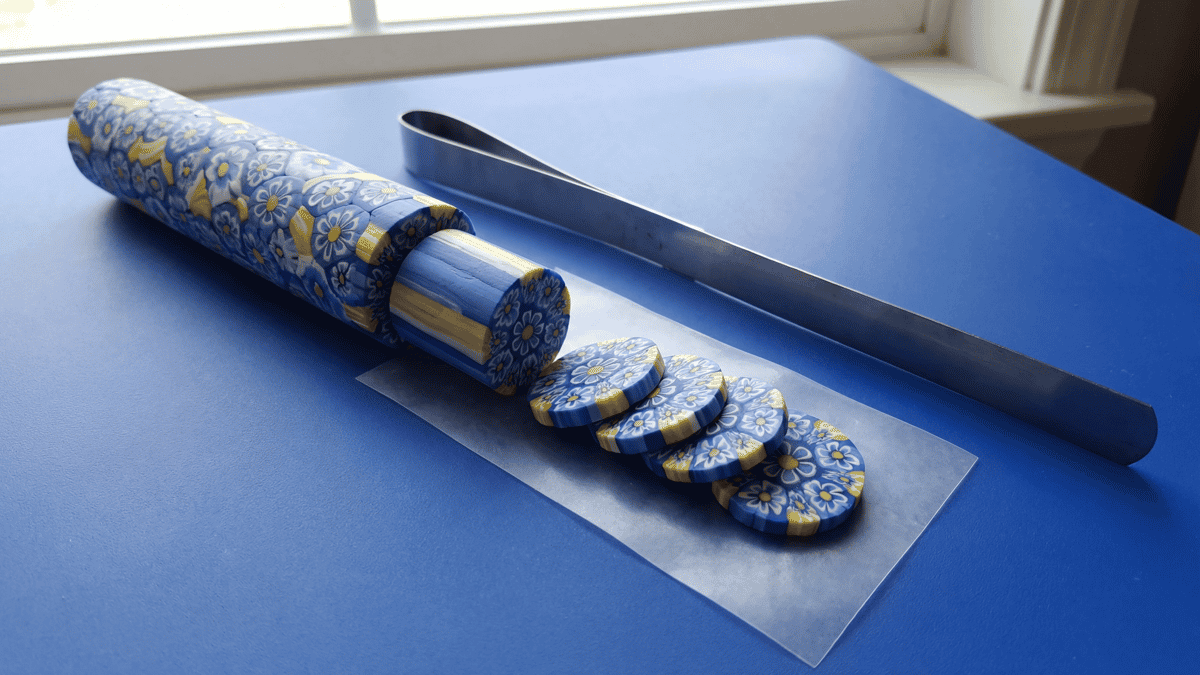
Polymer Clay Cane: A Small Recorded Pattern Exercise
Use a simple patterned-log exercise to test one clay, arrangement, cut face, and package-directed bake without turning it into a universal cane method.
Read the guide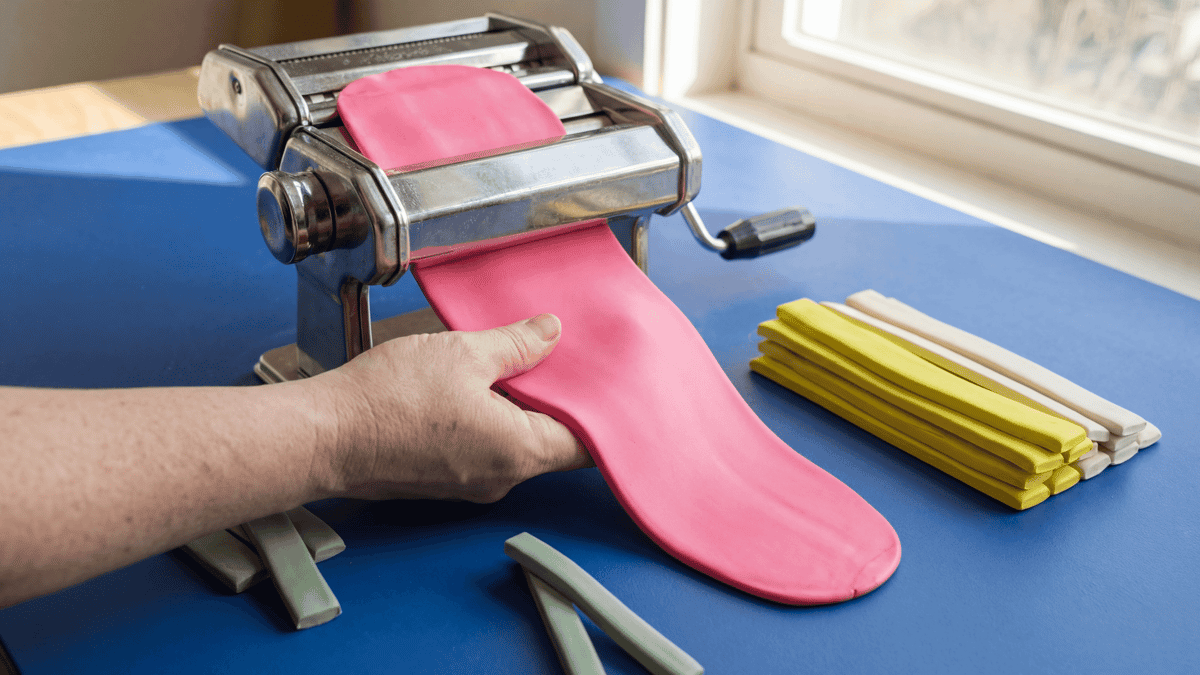
How to condition polymer clay and roll an even slab for cutters
Get every clay colour to the same softness, roll each layer to its measured thickness on a tile, and let warm clay firm up before you cut.
Read the guide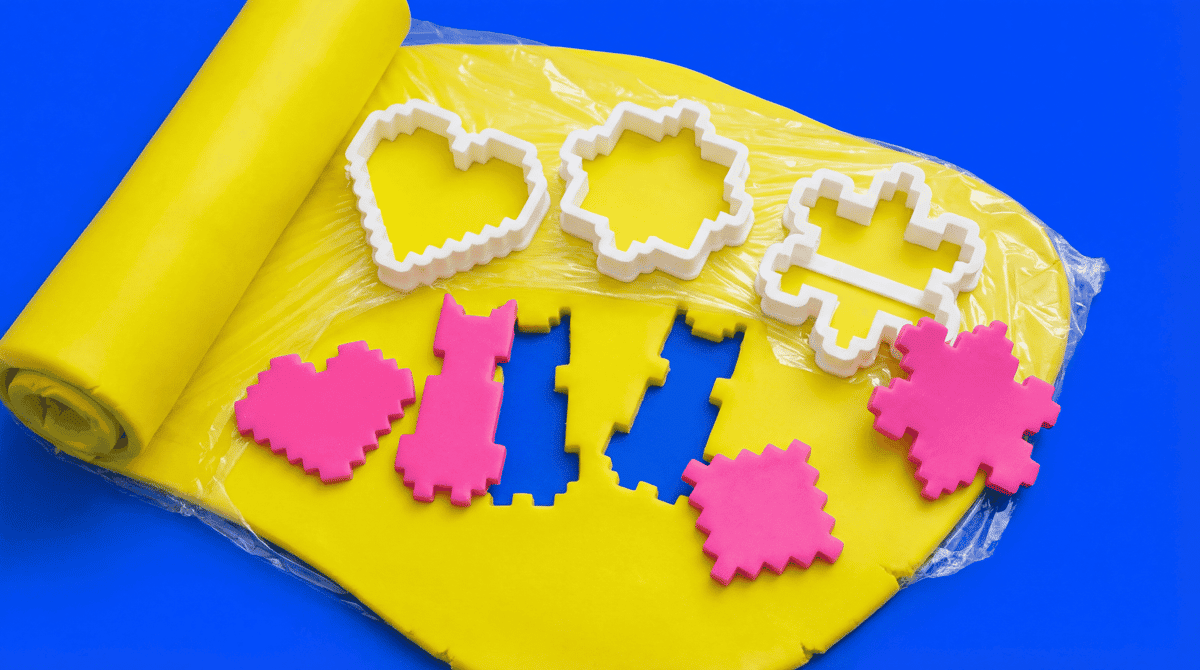
Polymer clay stuck in your cutter? How to release it and stop it sticking
Free a trapped shape, dust the cutter without leaving white clumps, and set up the slab for the next clean release. Includes the cling-wrap method for softer edges.
Read the guide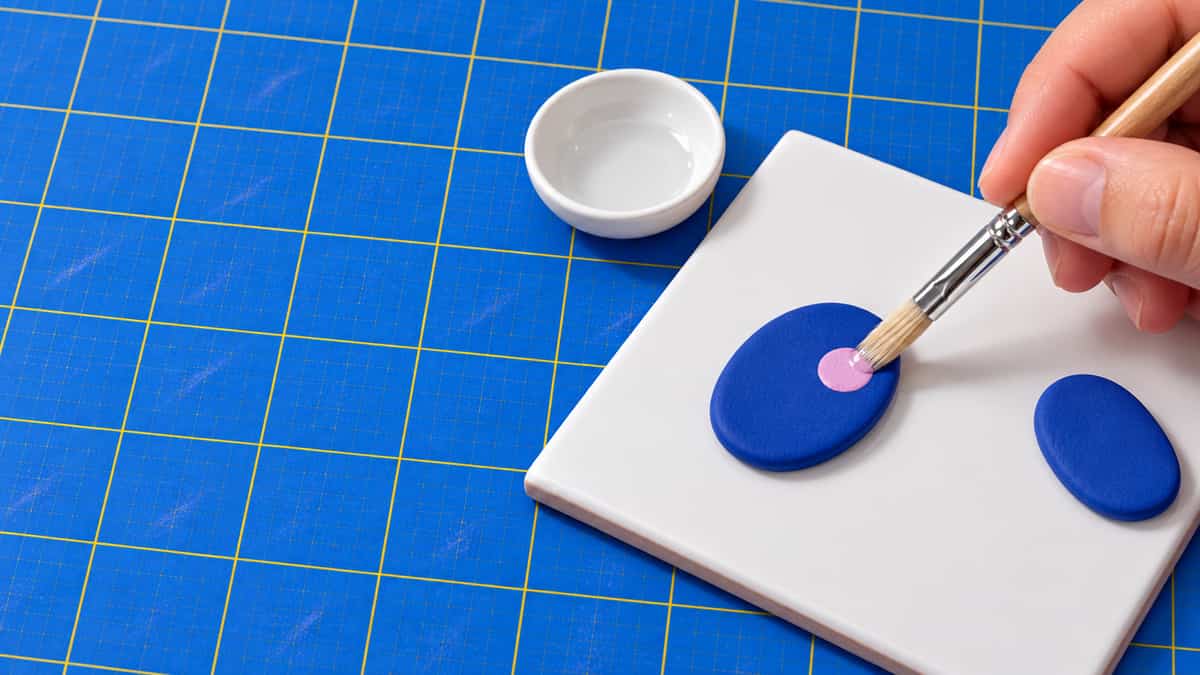
Painting baked polymer clay: which paint to use and whether to seal it
Painted details on a baked piece can smudge, rub off or leave a glaze sticky at the very last step. See which paint grips baked clay, how to brush small details cleanly, and when a coat is worth adding.
Read the guide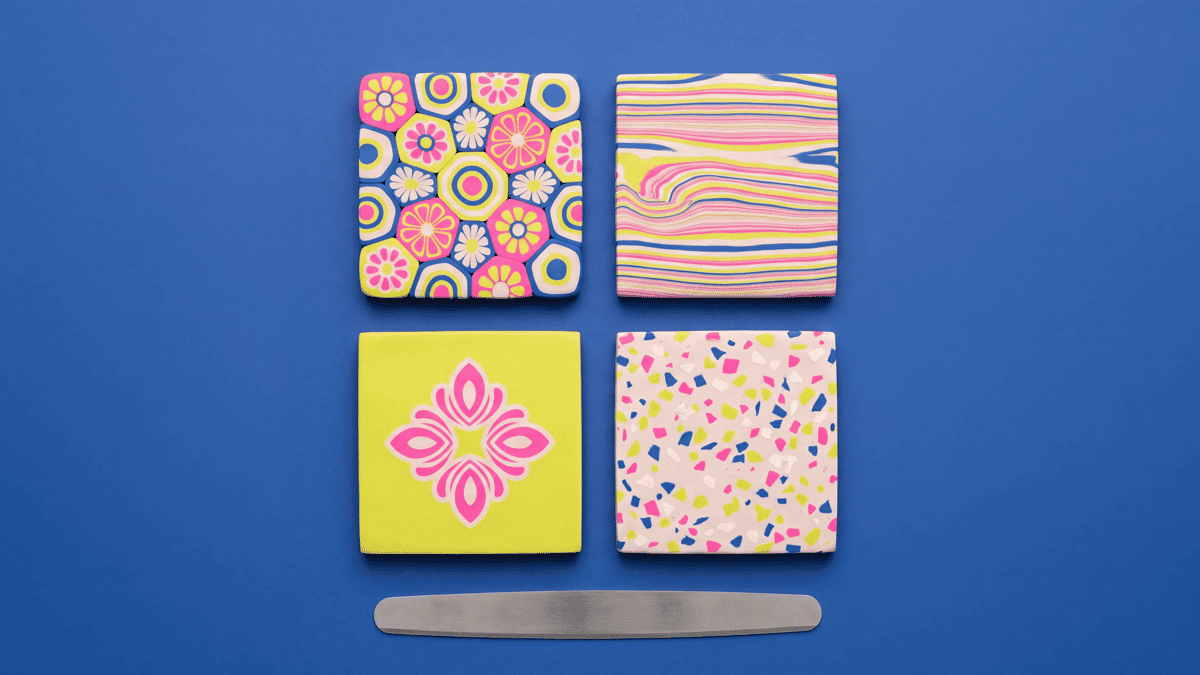
Polymer Clay Surface Effects: Cane, Inlay, Texture, or Print
Choose the surface method by the result you want: cane for a repeating slice pattern, inlay for a pressed two-color pattern, applique for raised motifs, and marbling for irregular color.
Read the guide
Polymer clay pixel art: pick the build method for your design
Five ways to build polymer clay pixel art, compared on one 12 x 12 design: stacked cutter layers, one stepped silhouette, square tiles, a pixel cane or clay beads, plus the sum that sets each pixel's size.
Read the guidePolymer clay techniques
Pick the method, then test the tricky step.
Whether you want to roll Skinner blends, cut perfect 8-bit shapes, or embed hardware, mastering polymer clay is a process of small techniques. These guides suggest conditioning blocks, reduction caning, slab construction, and hardware joins, helping you isolate the tricky step, like reducing a cane or wet-sanding an edge, and conquer it.
Studio notes
Get polymer clay technique notes
New project notes, small checks, and practical links as they publish. Free, no spam, unsubscribe anytime.
By subscribing you agree to get Clay Bake Studio emails about new guides, tools, build kits and offers. Unsubscribe anytime. We do not sell your email. Read our privacy policy.