Findings
Earring posts, glue, jump rings, pendant bails and brooch backs for polymer clay, with hole placement and the assembly order that keeps joins strong.

Articles
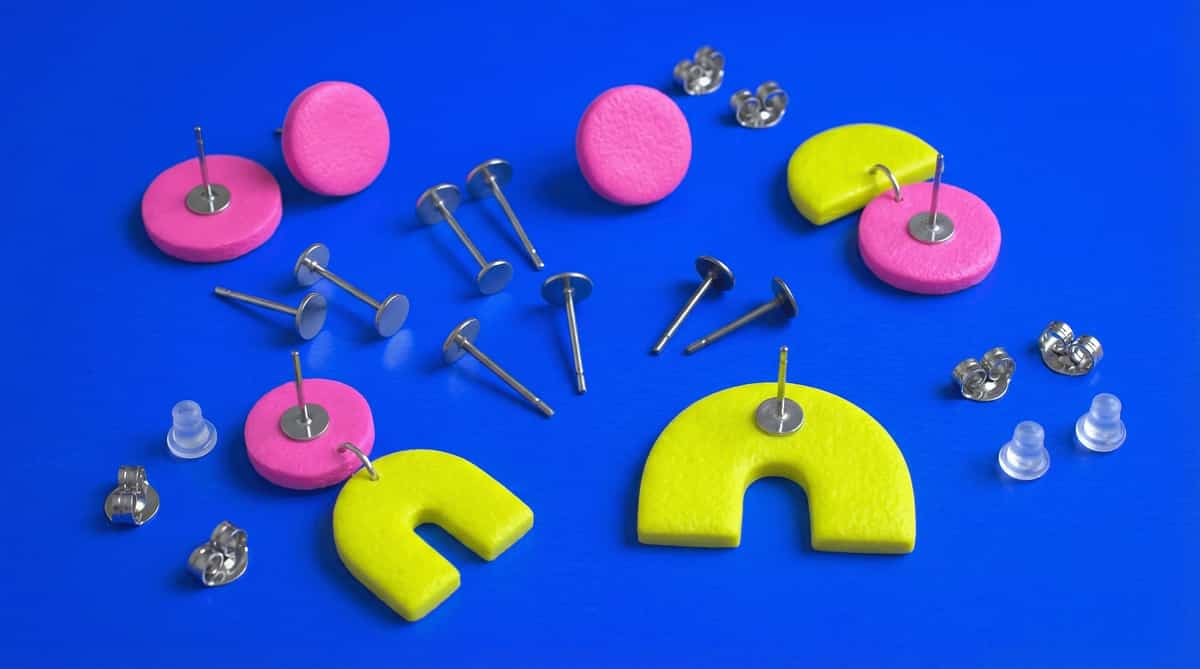
Best earring posts for polymer clay studs: pad size, backs and metal
Buy flat-pad posts, set the post a little above the middle of the stud, pick a pad that lies flat on the stud's back, and check which metal the listing names for the post itself.
Read the guide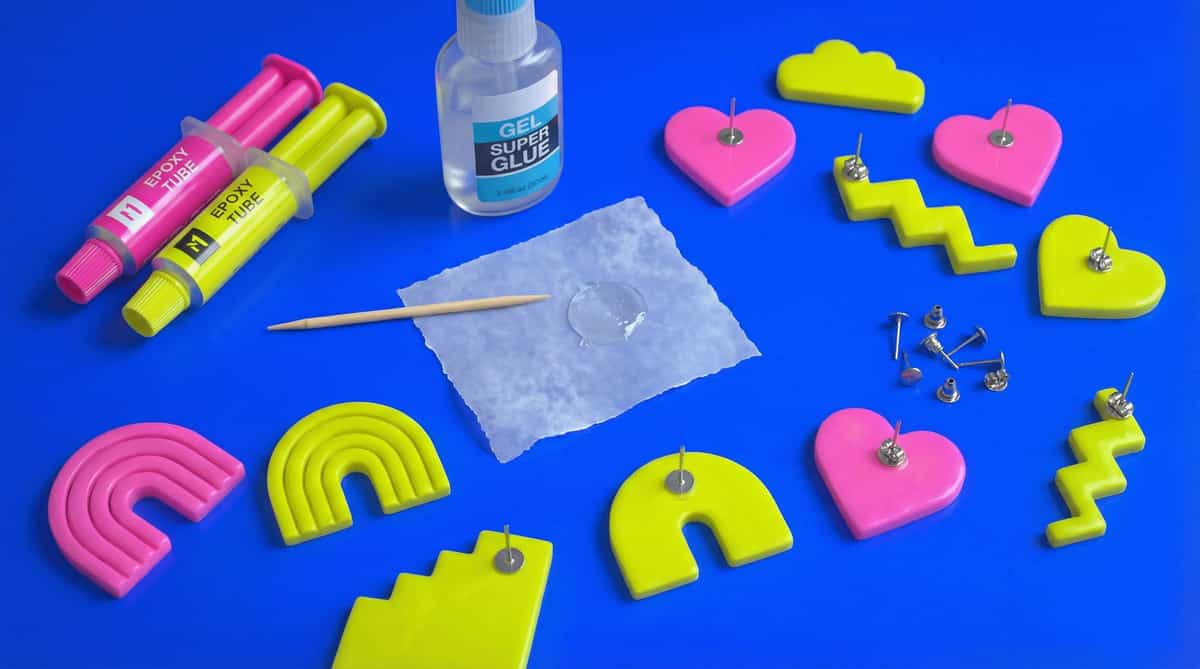
Best glue for polymer clay earrings: gel super glue for posts
Use a gel super glue such as Loctite Super Glue Ultra Gel Control or Gorilla Super Glue Gel. Prepare bare clay and the pad, use a small dot and wait the full label cure before wearing.
Read the guide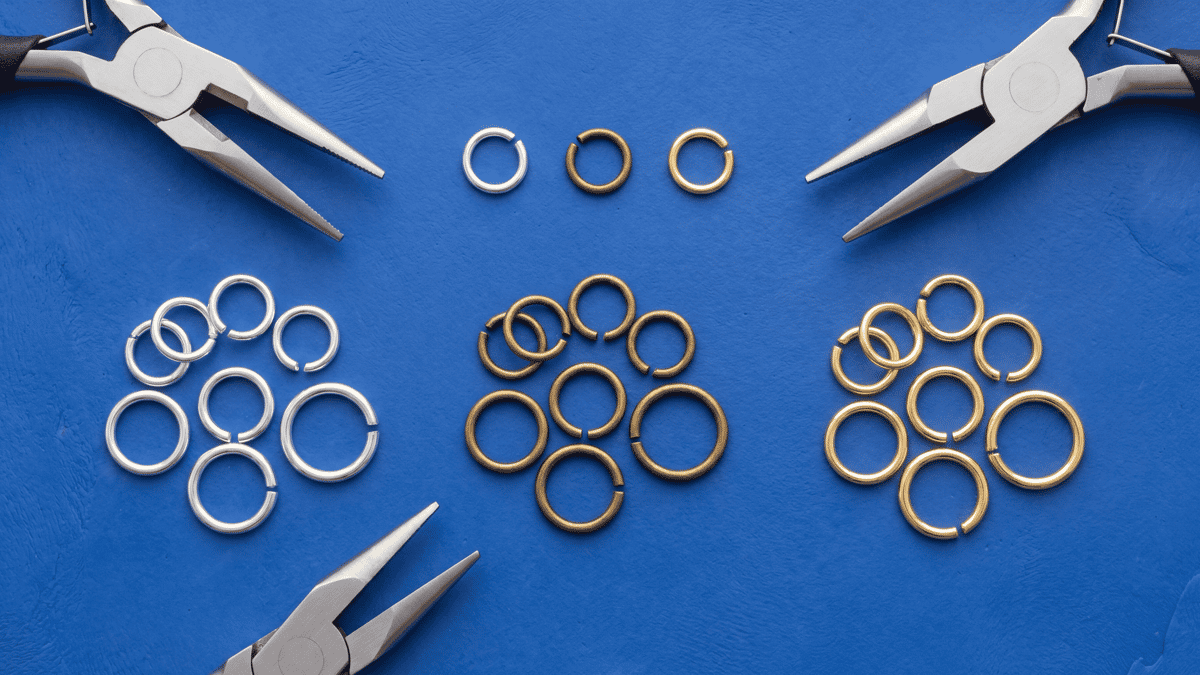
How to choose jump rings for polymer clay jewellery
Learn how to measure jump rings, choose a size that lets your clay earrings swing freely, and open and close the rings with pliers.
Read the guide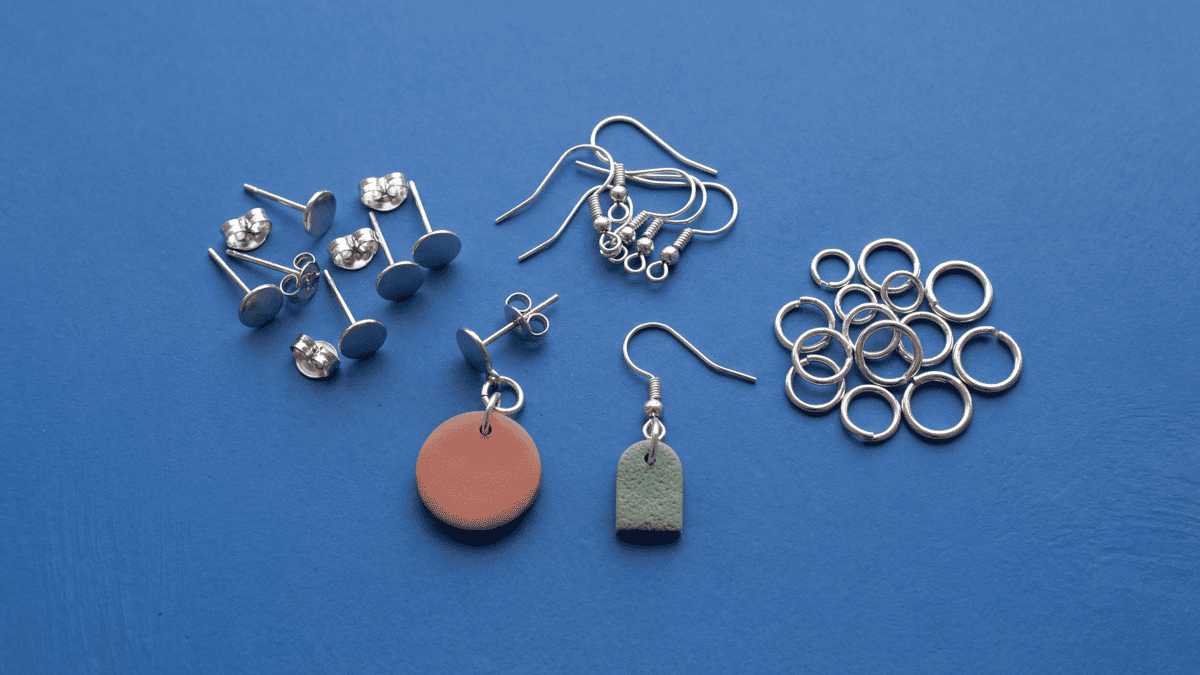
How to attach earring findings to polymer clay earrings
Choose a fish hook, leverback or looped stud, join it with a jump ring, add a second ring if the drop shows its edge, and check the pair before you wear it.
Read the guide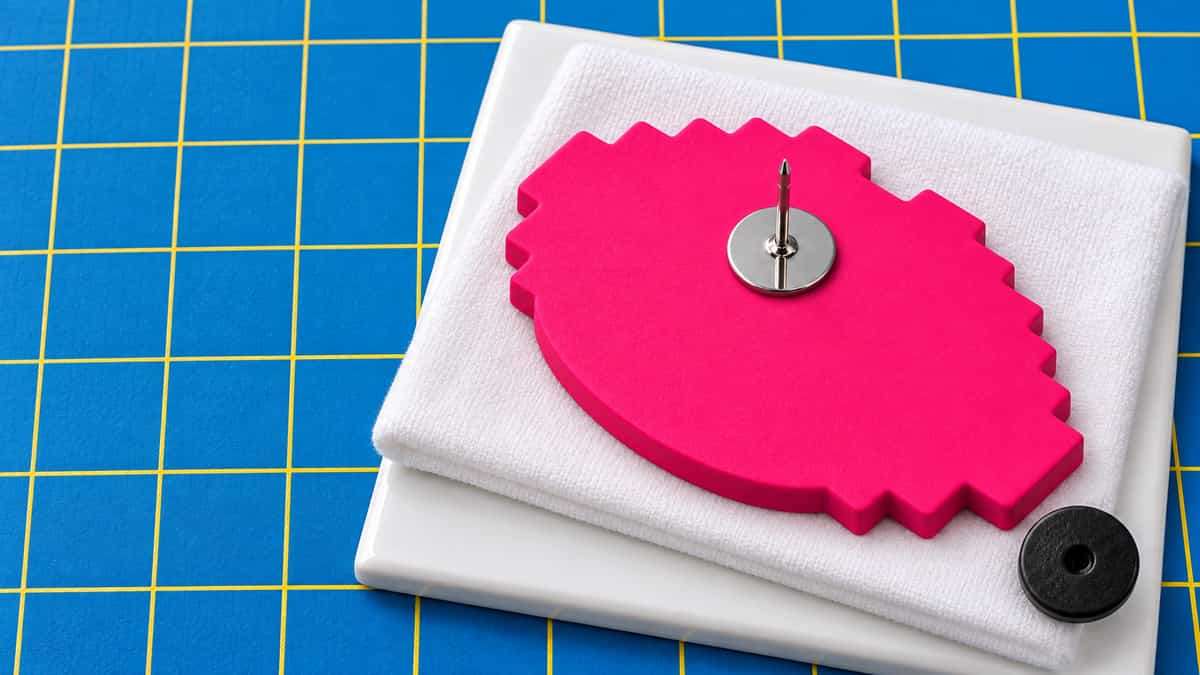
How to attach a brooch pin to polymer clay so it sits straight and stays on
Place and glue a brooch pin on bare baked clay, then check how the piece sits on your garment. Pin position, clutch grip and fabric support all affect tipping or turning.
Read the guide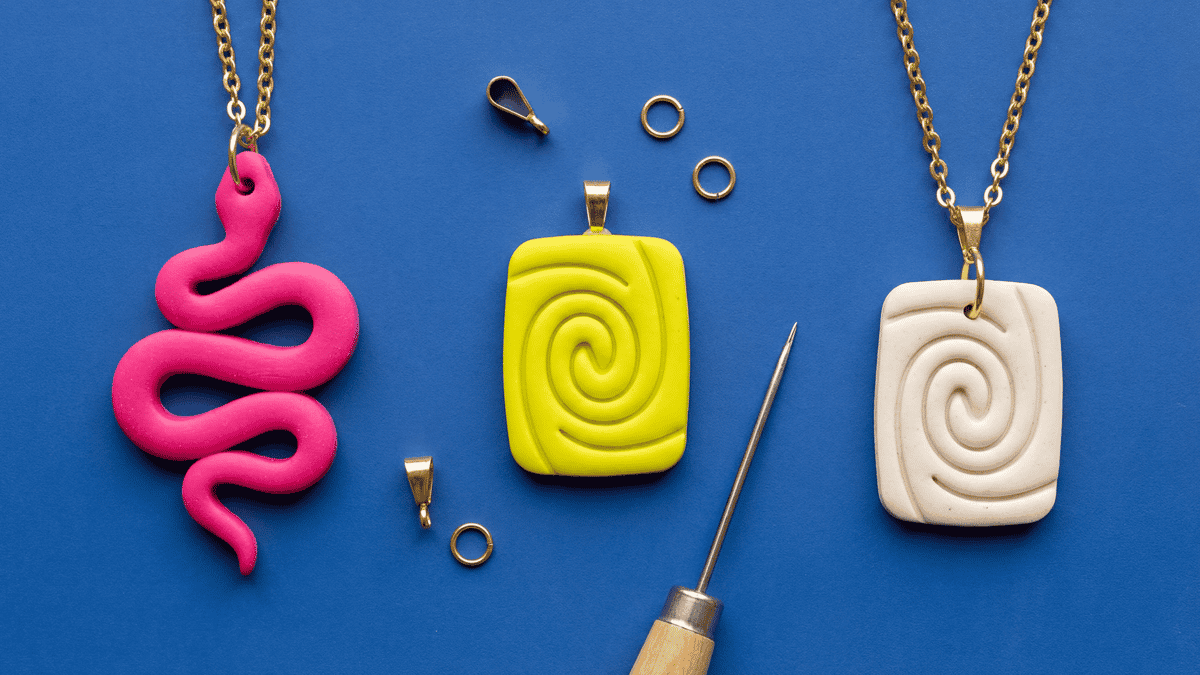
Choose a Hole or Bail for a Polymer Clay Pendant
Where to put the hole in a clay pendant, which jump ring fits it, when to glue on a flat-pad bail instead, and how to make the pendant face forward on its chain.
Read the guide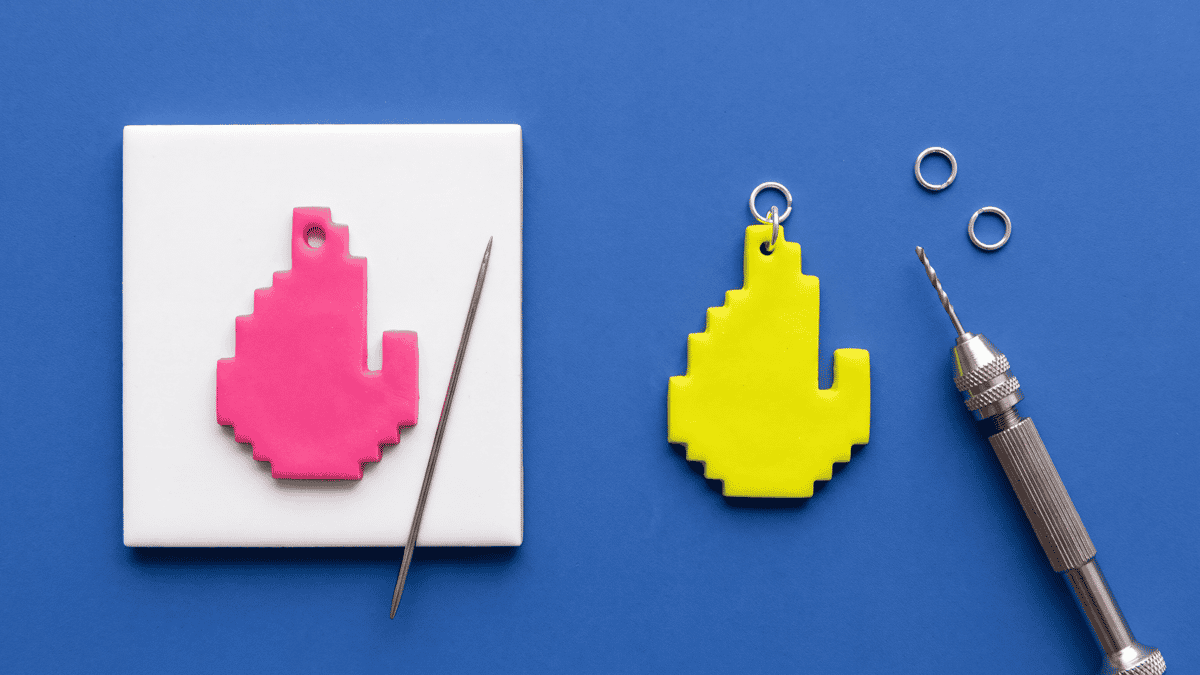
Jump ring holes in polymer clay: punch before baking or drill after?
Punch a raw slab while it is chilled and stuck to its tile, or drill after baking with the back supported. Make the hole 1.5 to 2 mm across and centre it about 3 mm from the edge. A hole-marking cutter presses a dot, not an open hole.
Read the guide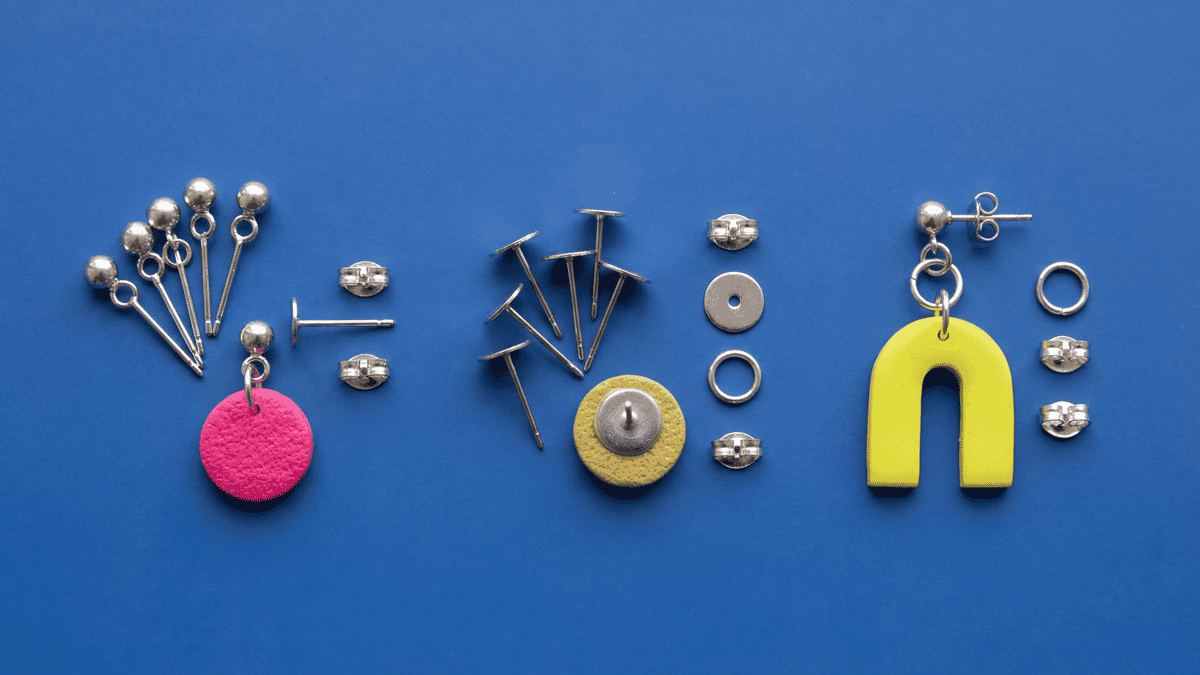
Clay stud toppers: flat pads, holes and connector rings
Size a clay stud topper to hide the post pad and still leave room for a hole near its lower edge, then hang the drop from one jump ring. A metal loop post does the same job with no clay topper.
Read the guide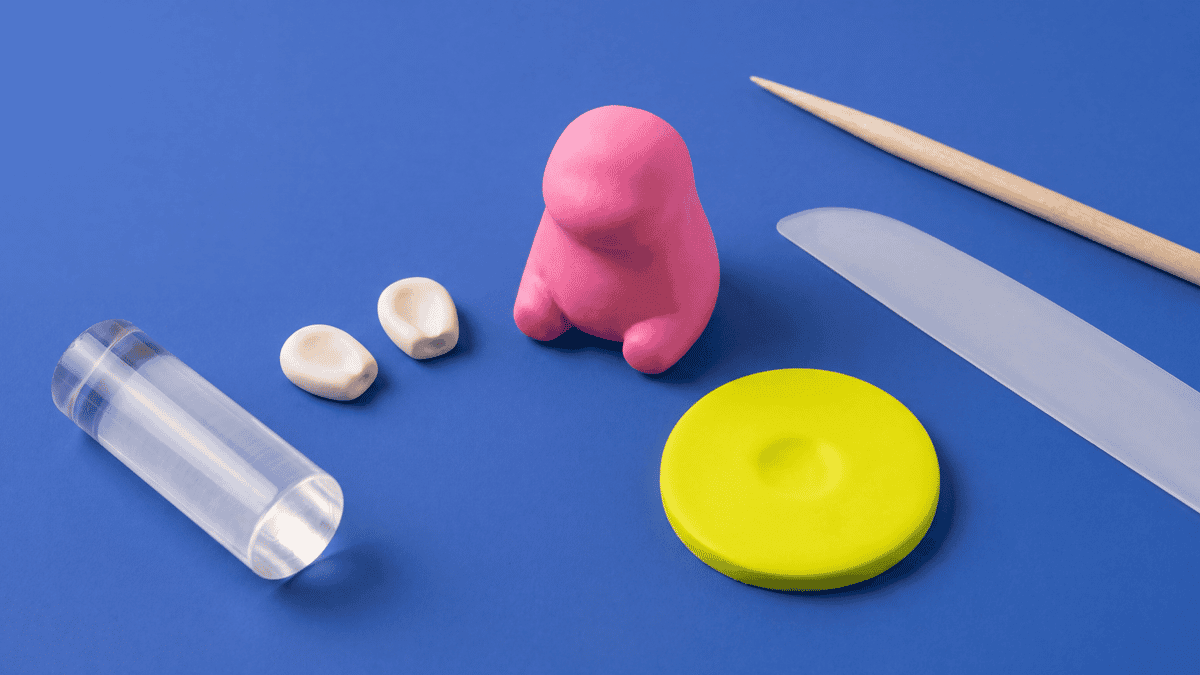
How to assemble polymer clay earrings and jewellery
Which finding goes on each polymer clay piece, how the parts connect, and when to bake, glue and finish, with links to the post, jump ring, bail, brooch back and glue guides.
Read the guide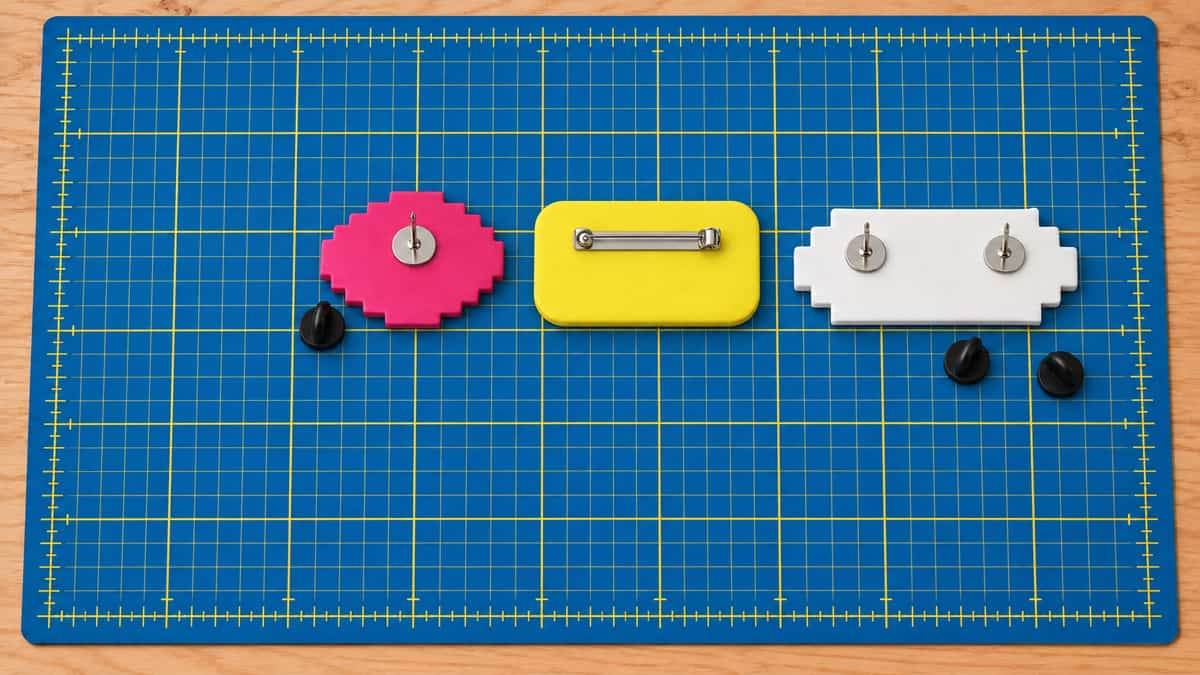
Brooch backs for polymer clay: which pin to choose before you bake
Tie-tack, bar pin, locking clutch or magnet: which brooch back suits a flat clay piece, and what to leave on the back of the clay before it goes in the oven.
Read the guideTools used in these guides
The 3D-printable tools the findings guides link to. Open one to see what it makes.
Polymer clay findings
Match the finding to the back of the piece.
Findings decide how a piece hangs and how it holds up to wear. These guides cover matching a flat post pad to the back of a stud, sizing a jump ring so it turns freely through its hole, choosing brooch backs, and hanging a pendant from a hole through the clay or a glued bail. Fit each finding to a cooled offcut before you make the set.
Studio notes
Get polymer clay finding notes
New project notes, small checks, and practical links as they publish. Free, no spam, unsubscribe anytime.
By subscribing you agree to get Clay Bake Studio emails about new guides, tools, build kits and offers. Unsubscribe anytime. We do not sell your email. Read our privacy policy.