Polymer Clay Striped Buttons: Chevron Wraps and Drum Blanks
Patterned polymer clay buttons get much easier when you lock the blank size first, then build stripes, chevrons, or wrapped sidewalls around that structure. This guide covers a clean build order for flat sew-through buttons and short drum blanks.
Some links on this page are affiliate links. If you buy through them, we may earn a commission at no extra cost to you. As an Amazon Associate I earn from qualifying purchases. Disclosures

In brief
Key takeaways
- Lock diameter, height, and hole spacing on the plain blanks first. Decorating before the blank is set is what makes a button set drift across a card
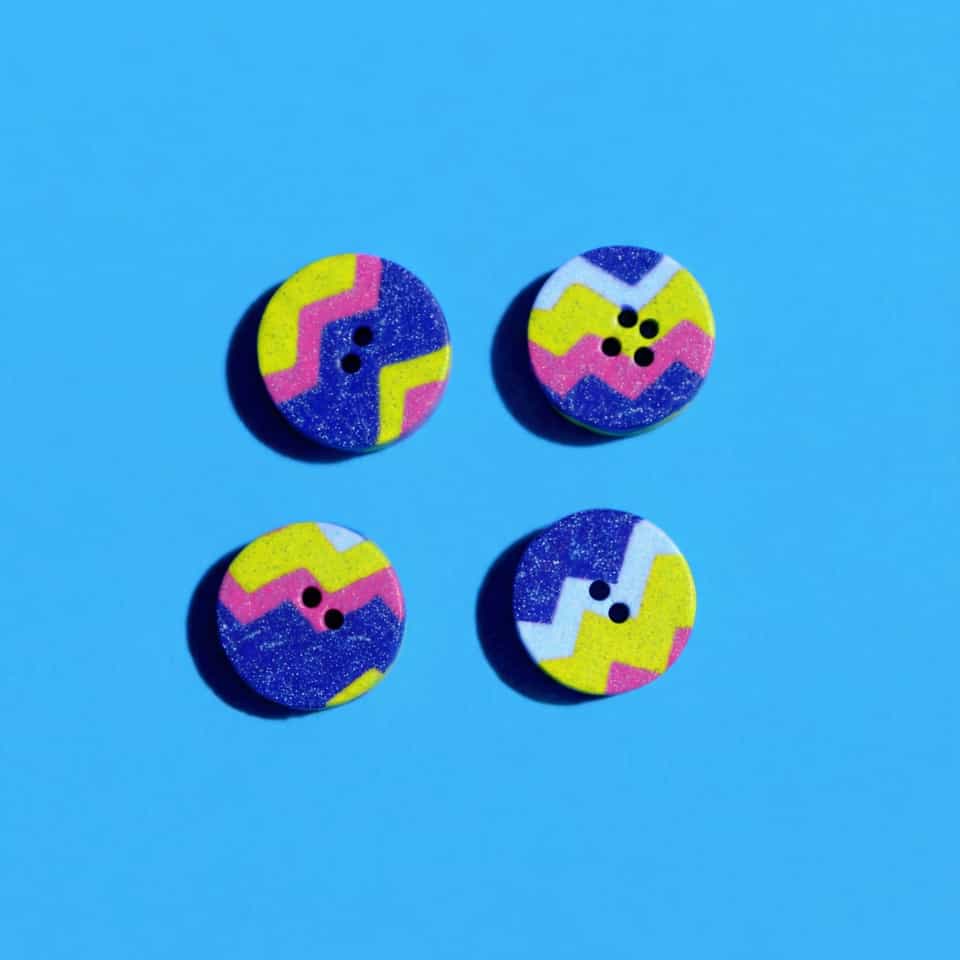
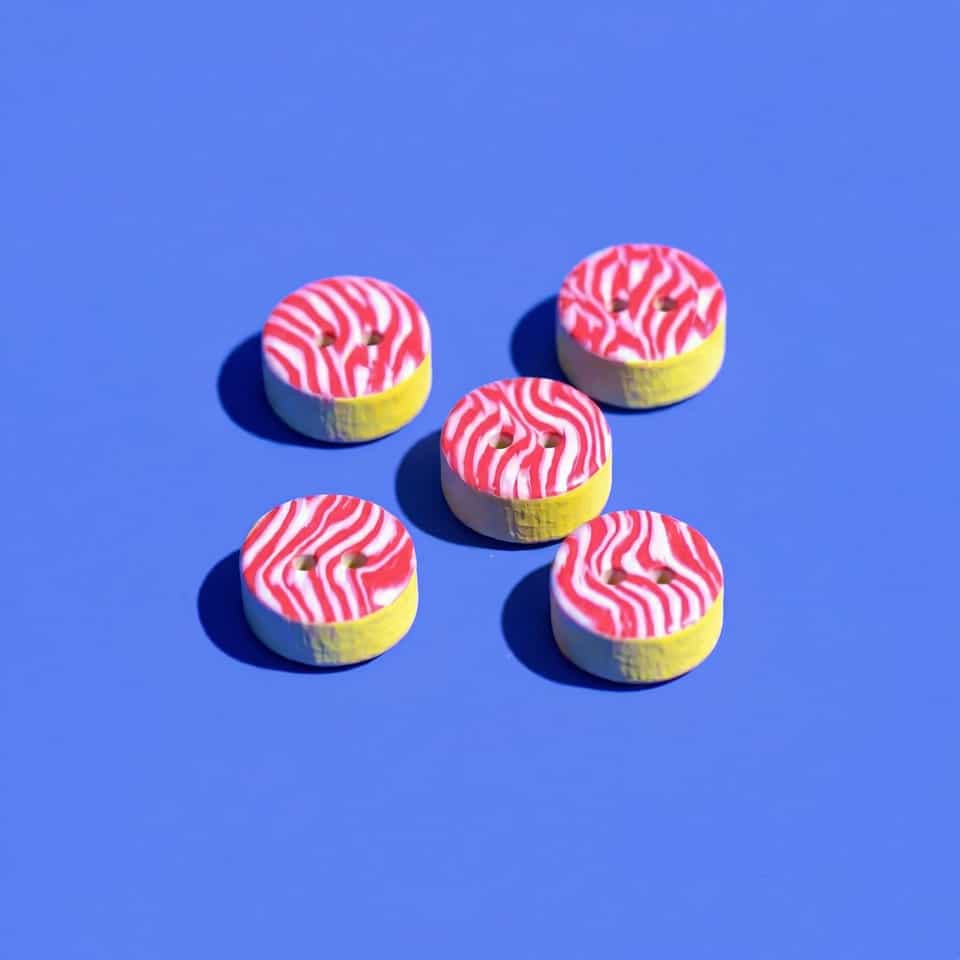
- For flat striped buttons, build one clean patterned sheet and cut the full set from it so the stripe alignment matches across pairs
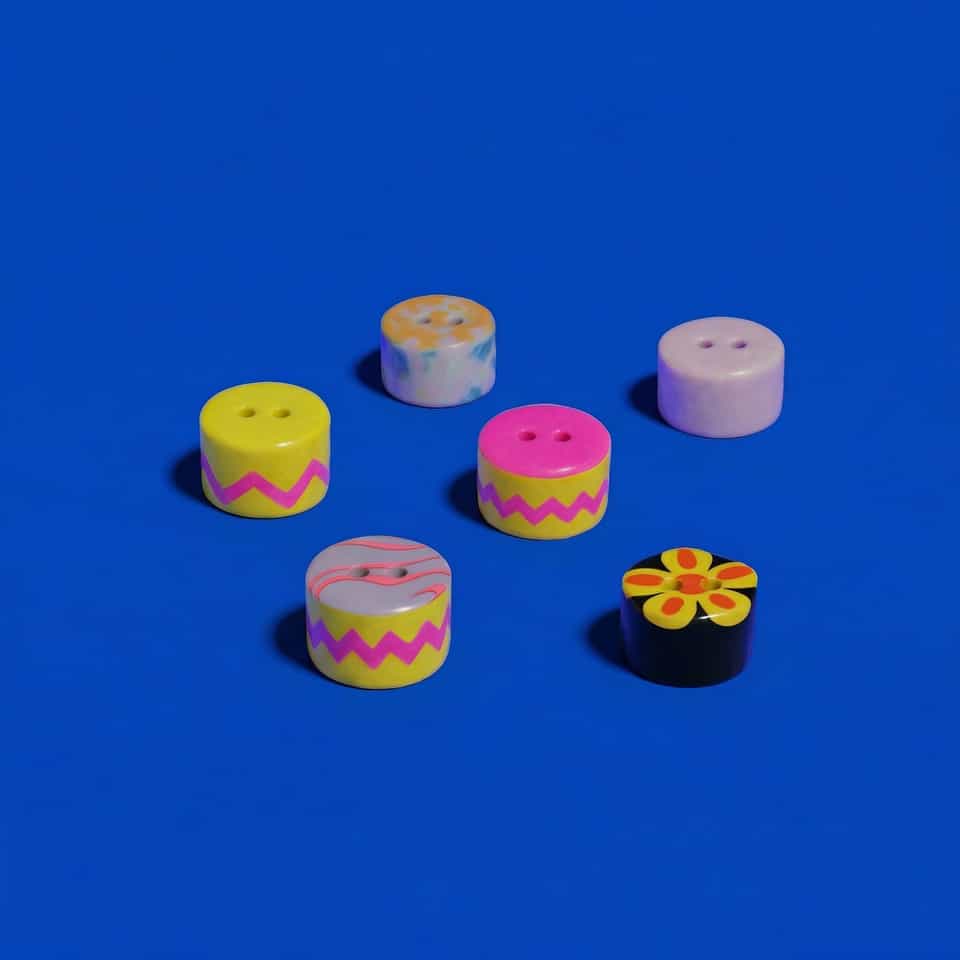
- Drum buttons assemble more cleanly when the cylinder is already sized and pierced, then the side wrap or top motif goes on last
- Cut chevron bands with a blade and press them on lightly. Stretching the bands into place is what makes them tear or gap at the seam
Article contentsOpenClose
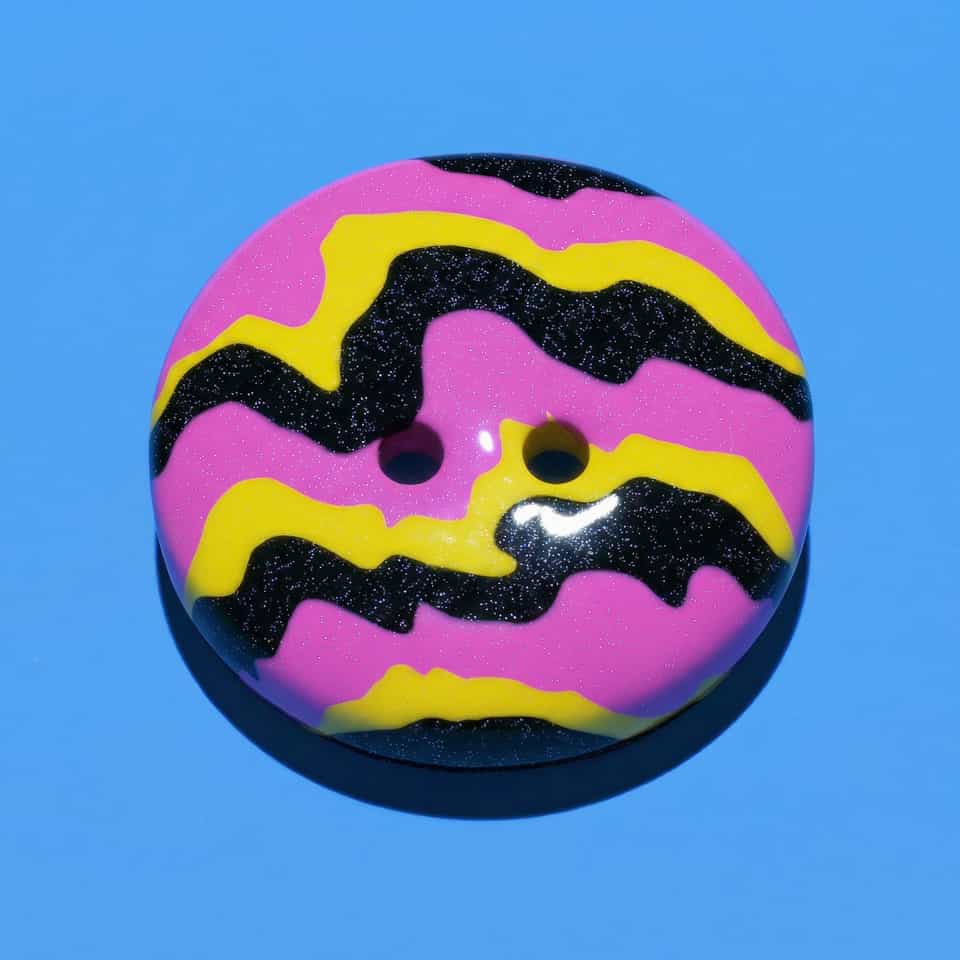
Follow an official Sculpey button source for one flat patterned sample. Record the shape, pattern placement, raw hole piercing, and package bake without adding unsupported fusion, wrap, or functional-performance claims.
Start From The Official Button Workflow
Sculpey's button guidance documents shaping, pattern placement, making holes while the clay is raw, and package-directed baking. Use that source as the boundary for this sample.
Record One Patterned Button
Note the clay brand and product line, slab dimensions, stripe or chevron layout, cutter and hole tool so you can repeat the button. Follow the clay's package bake directions, and check the finished button and attachment on the intended fabric before making a set.
Use an acrylic roller to prepare even sheets and a clay blade to trim the coloured strips. Keep your fingers away from the cutting edge and follow the blade's handling instructions.
Pierce And Bake As Documented
Place the holes while the clay is raw as the official source directs. Follow the exact package with an oven thermometer in the baking area, then let the sample cool.
Keep Unsupported Extensions Out
Do not claim raw-clay fusion, liquid-clay repair, drum or wrap mechanics, a hole-spacing formula, thread strength, laundering suitability, or finish preference without exact primary evidence and physical validation.
More guides in this path
Open these when the next decision is material choice, attachment, or finishing.
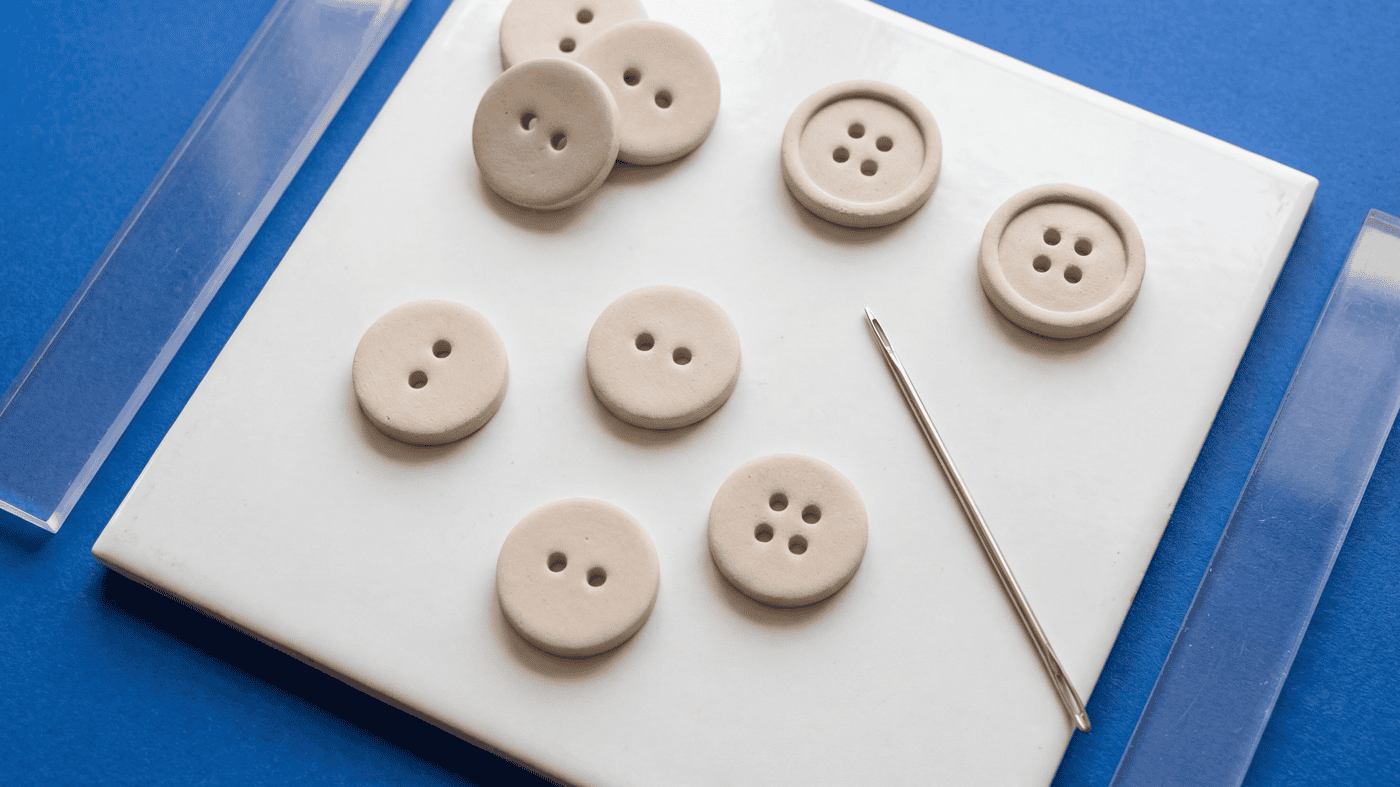
Polymer Clay Buttons: Holes, Flat Baking, and Thickness
Small button sets fail when the holes are too close to the edge, the blanks bake unevenly, or the thickness drifts from one button to the next. This guide shows the repeatable build path that keeps polymer clay buttons more consistent and easier to test on garments.
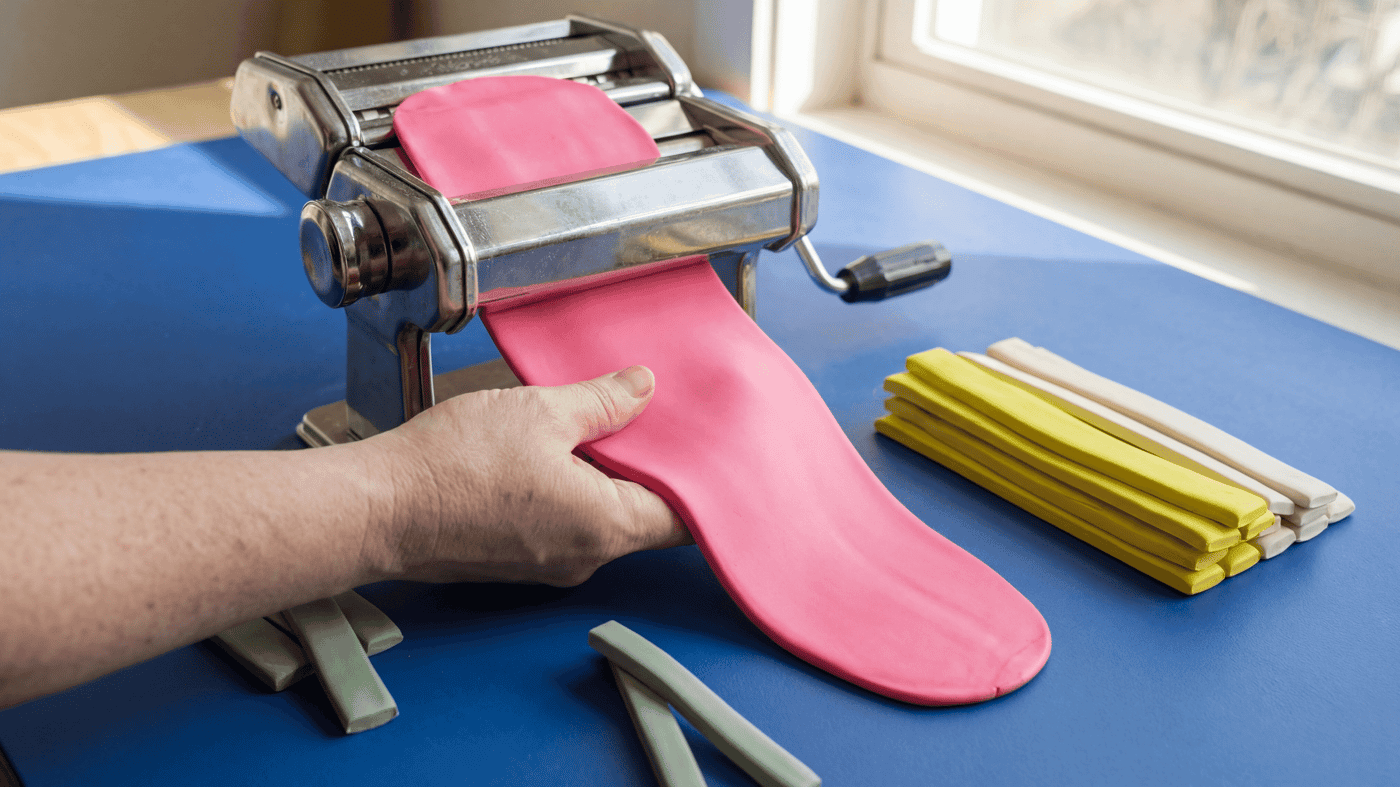
How to condition polymer clay and roll an even slab for cutters
Get every clay colour to the same softness, roll each layer to its measured thickness on a tile, and let warm clay firm up before you cut.
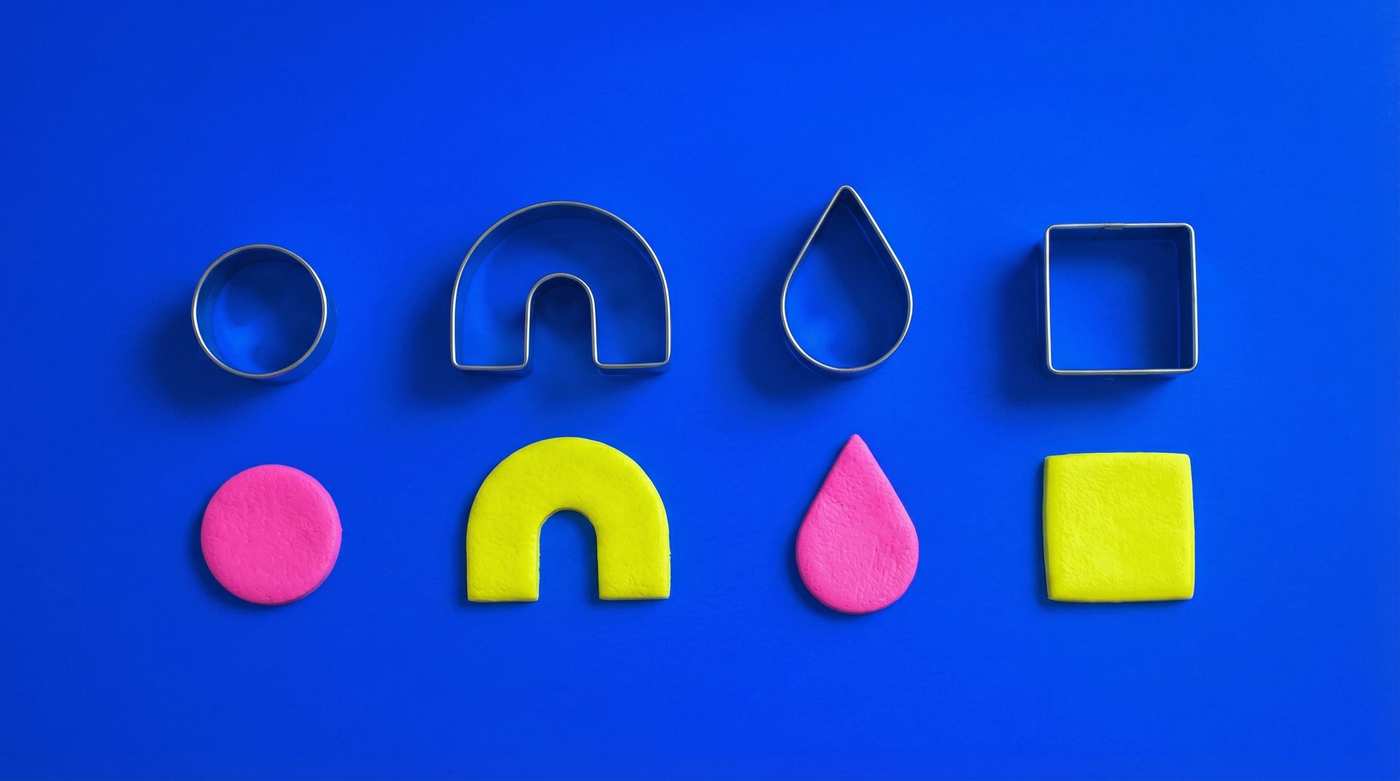
Best Polymer Clay Cutters for Beginners: Sharp Starter Shapes (2026)
Beginner clay cutters work best as a small repeatable starter set. Clean release and even slab thickness matter more than a long novelty list.
Finished examples with related clay decisions
Each piece shows how a material, attachment, or surface choice changes the final form.