Three 2026 Paint Color Signals to Test in Polymer Clay
Chasing every 2026 trend color can leave you with blocks you do not use. Before you commit to a full batch, bake small swatch chips and test the finish. This guide gives you three 2026 color directions plus the swatch test that confirms a color before you scale it.
Some links on this page are affiliate links. If you buy through them, we may earn a commission at no extra cost to you. As an Amazon Associate I earn from qualifying purchases. Disclosures

In brief
Key takeaways
- Benjamin Moore and Sherwin-Williams 2026 paint announcements point toward deep brown and warm khaki palettes worth testing for clay; Behr's 2026 pick Hidden Gem adds a smoky blue-green.
- Treat annual trend posts as dated snapshots. Re-check the brand announcements before reusing the same palette next year
- Bake small swatch tiles before committing to a full collection so finish and saturation stay consistent across pairs
Article contentsOpenClose
Use three official 2026 paint announcements as visual prompts for clay swatches: Benjamin Moore Silhouette AF-655, Sherwin-Williams Universal Khaki SW 6150, and Behr Hidden Gem N430-6A. They are paint references, not polymer-clay formulas.
The 2026 Color Signals Worth Tracking
Benjamin Moore's Silhouette AF-655, Sherwin-Williams' Universal Khaki SW 6150, and Behr's Hidden Gem N430-6A point toward three useful 2026 directions for clay: a refined dark brown, a warm khaki neutral, and a smoky jade blue-green.
Silhouette gives you the dark anchor, Universal Khaki gives you the warm everyday neutral, and Hidden Gem gives you the cool accent that still feels grounded. Together they give you three practical directions to test before chasing a longer list of color ideas. Each direction below includes a clay starting mix; treat every ratio as a swatch-test starting point (the color mixing guide covers the baked-chip workflow).
Browse pieces with this feel
Open related pieces when you want a starting point for palette, silhouette, texture, or hardware.
Direction 1: Silhouette AF-655 for Refined Dark Browns
Use Silhouette when you want brown to feel polished, graphic, and slightly dramatic instead of rustic.
Benjamin Moore describes Silhouette AF-655 through burnt umber and charcoal. Use that description as the direction for a clay swatch, then judge the cooled chip rather than treating the paint colour as a clay formula.
- First swatch prompt: Burnt umber with a small measured addition of black; adjust the next chip after the first one has baked and cooled
- Pairings to compare: Bone, soft cream, muted plum, brushed gold, smoked brass
- Finish directions to test: Satin buff, soft matte, or lightly antiqued texture
- Useful forms to test: Rounded arches, oversized coat buttons, house-shaped dangles, low-relief art objects
Direction 2: Universal Khaki SW 6150 for Warm Neutrals
Test khaki as a quiet base under one brighter cane slice. Bake the khaki chip first, then compare the bright slice against the cooled result.
Sherwin-Williams describes Universal Khaki SW 6150 as a mid-tone neutral with a slight yellow undertone. Use that description to steer a warm neutral swatch, not as a matched polymer-clay recipe.
- First swatch prompt: Roughly 3 parts white to 1 part ecru, then one small measured addition of yellow ochre and a smaller addition of burnt umber; judge only after baking and cooling
- Pairings to compare: Chalk white, camel, terracotta, cocoa, smoked olive
- Finish directions to test: Matte, softly buffed satin, or a water-based glaze already tried on a sample for higher-touch pieces
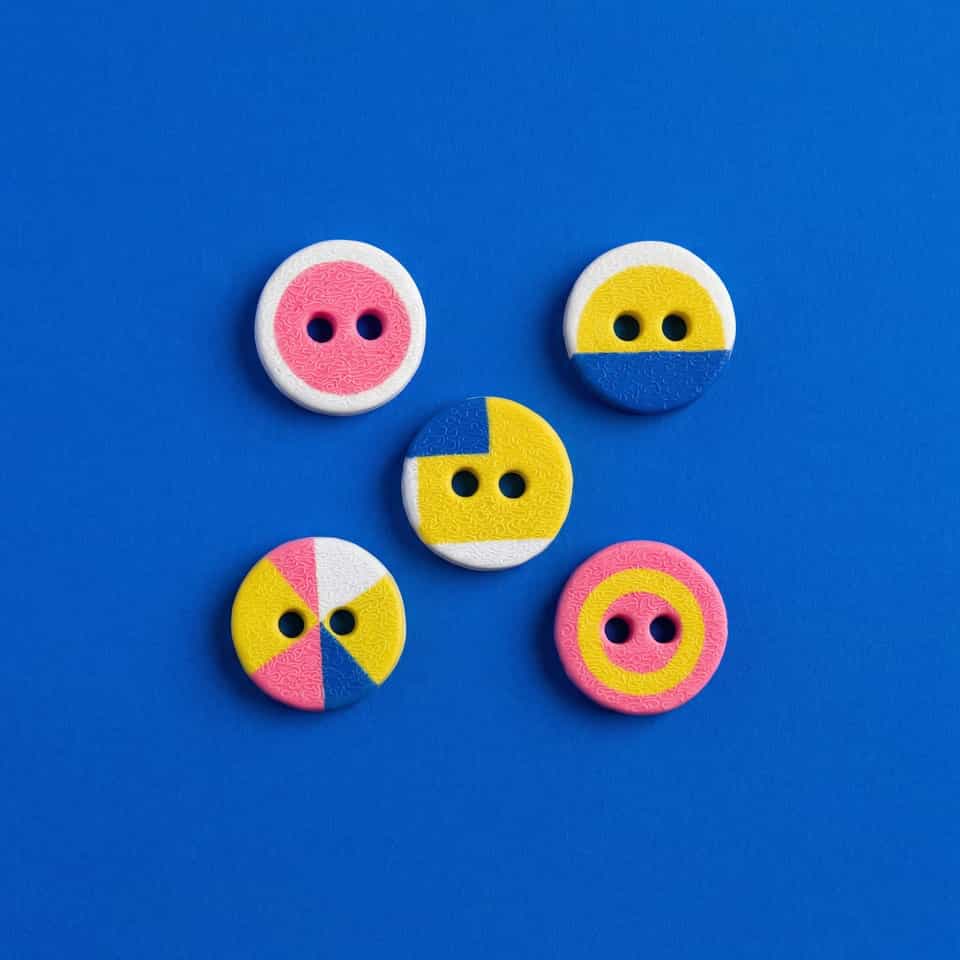
- Useful forms to test: Pebble studs, geometric slabs, sew-through buttons, trays, small vessels
Direction 3: Hidden Gem N430-6A for Smoky Blue-Green Accents
Hidden Gem is one of the cooler 2026 signals in this set, but it still feels grounded enough for quieter palettes.
Behr describes Hidden Gem N430-6A as a smoky jade made from blue and green. Use that as a visual direction for an opaque swatch first. Make a separate translucent chip if you want to compare opacity.
- First swatch prompt: Green with a small measured addition of blue, then separate chips with white, black, or a trace of the complement so you can see which change produced the muted result
- Pairings to compare: Bone, charcoal, soft taupe, oxidized silver, muted navy
- Finish directions to test: Buffed satin, translucent layering, or subtle mica highlights
- Useful forms to test: Cabochons, patterned canes, statement pendants, art-toy accents, character accessories
How to Translate 2026 Paint Trends Into Clay Palettes
Build each palette with baked swatch chips first, then test finish and translucency before you commit to a full batch.
- Roll equal-thickness swatches with an acrylic roller so the color comparison stays useful when you compare the baked results.
- Test one finish at a time: uncoated cured clay, buffed satin, or a compatible water-based glaze already tested on that clay line.
- Make opacity a separate test. Use a separate Premo Translucent chip if you want to compare light transmission. Translucent clay is not a substitute for white.
- Use color-shift materials sparingly and test tiny amounts first so the palette stays grounded while you tune the finish.
| Source colour | Clay translation | ClayBake test idea |
|---|---|---|
| Silhouette AF-655 | Chocolate-brown with charcoal depth | Statement earrings, coat buttons, framed relief work |
| Universal Khaki SW 6150 | Warm khaki, putty, and sand neutrals | Slab jewelry, sew-through buttons, trays, small vessels |
| Hidden Gem N430-6A | Smoky jade blue-green with muted depth | Faux-stone details, canes, marbling, character accents |
Where the 2026 Colors Fit Best
Start with one lead colour. Add a second only if the shape and pattern still read clearly in the cooled sample.
- Jewelry: Let Silhouette or Hidden Gem carry the shape, then keep the supporting neutral quiet.
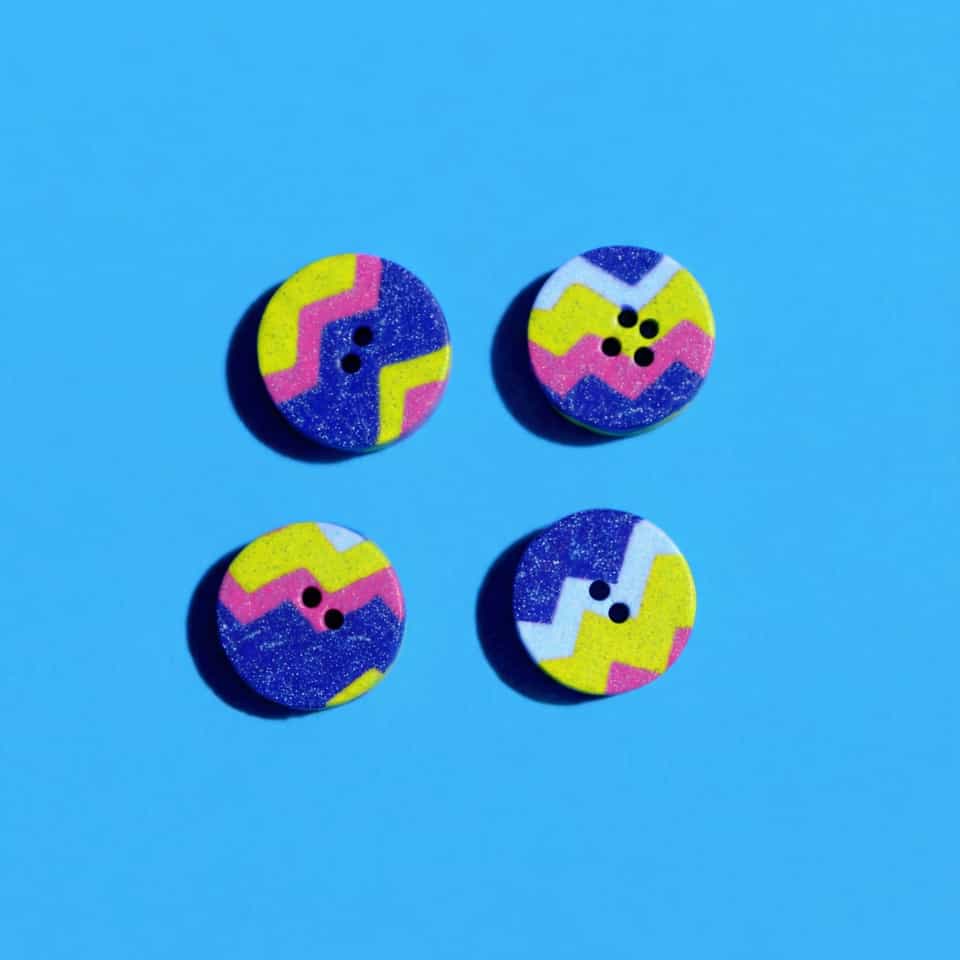
- Buttons and wearable objects: Universal Khaki and Silhouette can both read well on matte, garment-scale sew-through buttons.
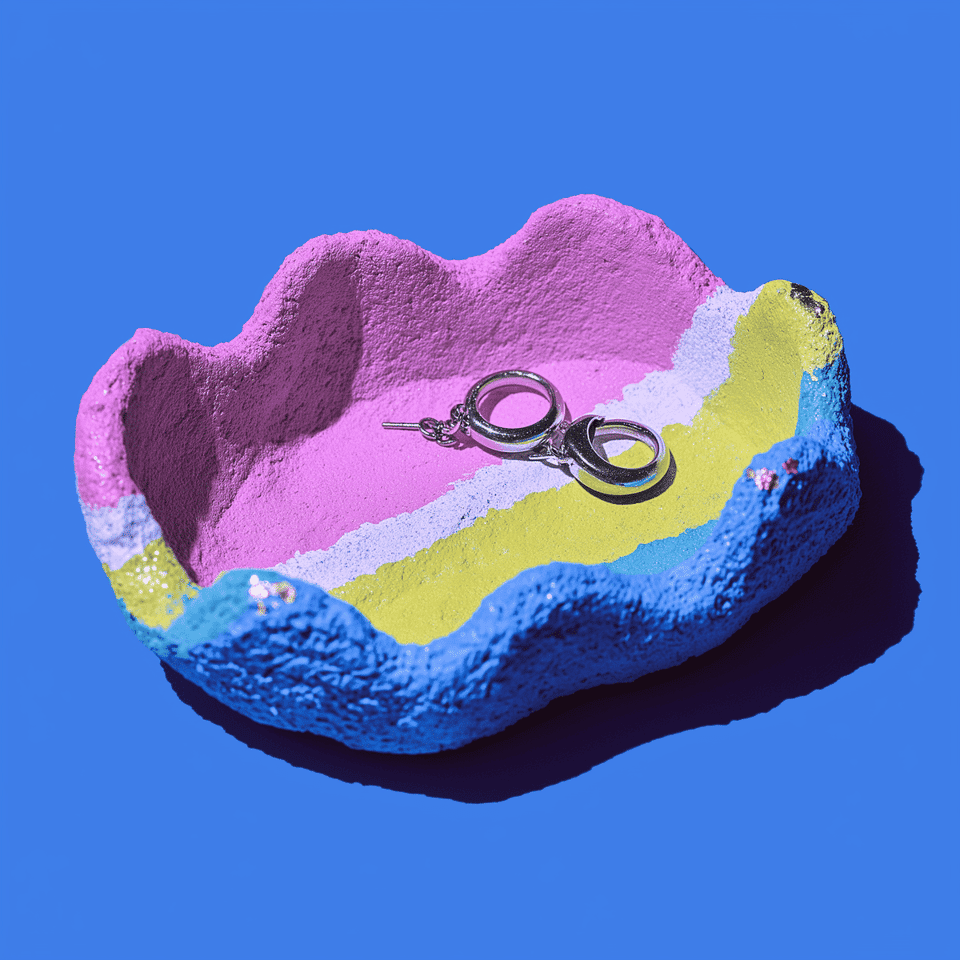
- Art objects: Hidden Gem works beautifully as an accent against warm neutrals on trays, ornaments, and framed relief tiles.
- Character designs: Use Hidden Gem for props, armor panels, hair accents, or capes, then anchor the rest of the palette in khaki, cream, or cocoa.
For clay work, the better question is not "which color is trendy?" It is "what job does this color do in the piece?" A dark brown can replace black when black feels too harsh. A khaki neutral can make bright cane slices easier to wear. A smoky blue-green can give a miniature or pendant a current accent without turning the whole palette loud.
Other reads on this topic
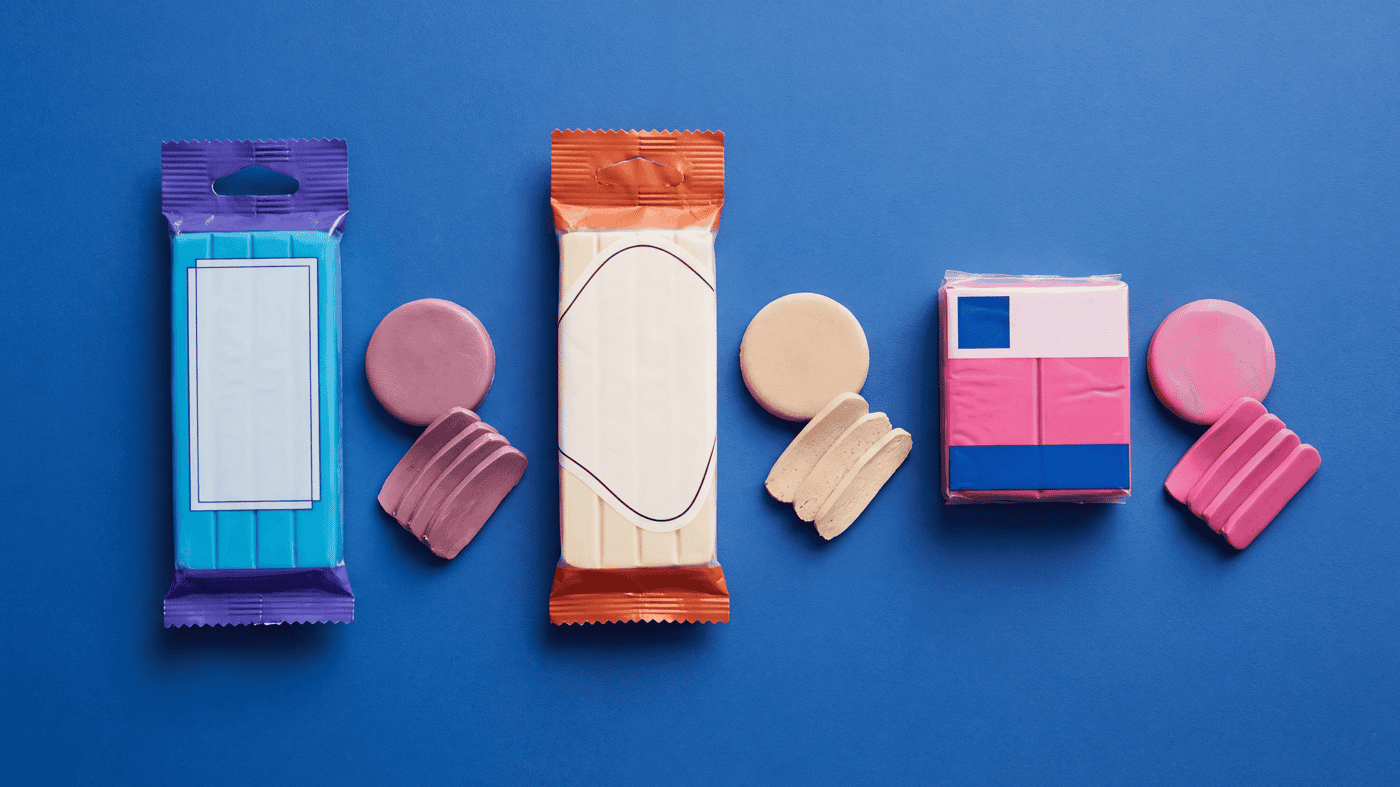
Premo vs Soufflé vs FIMO: which polymer clay to buy for cutter and layered pieces
Buy Sculpey Premo first for cutter and layered pieces, Soufflé when the pair must stay light, and FIMO Professional when a design cuts many small pieces from one slab.
What’s in my polymer clay kit? 10 things I’d buy first
The ten things I would replace first, from the pasta machine that saves my hands to the small tools, work surfaces, cutters, and clay I would choose again.
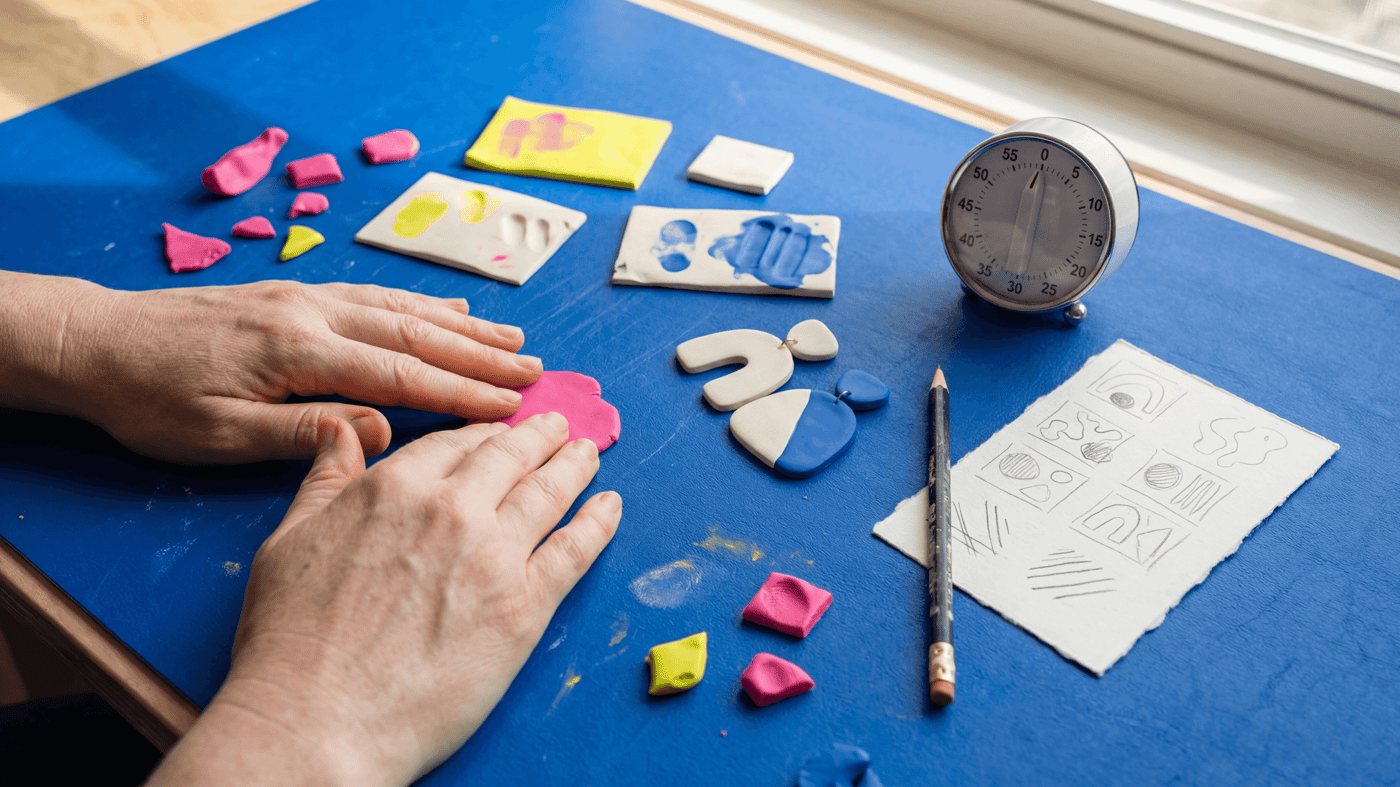
Polymer Clay Creative Block and the Bestseller Trap
The block that stops sellers is usually not 'no ideas.' It is being trapped by the one design everyone buys, or staring at orders you no longer want to make. This guide names the seller-specific triggers and gives 8 resets that clear the worktable faster than another mood board.
Finished examples with related clay decisions
Each piece shows how a material, attachment, or surface choice changes the final form.